
Featured Collection
Your cart
Featured Collection

PEAK SURGICALS
SKU:PS-DI-00414
Couldn't load pickup availability
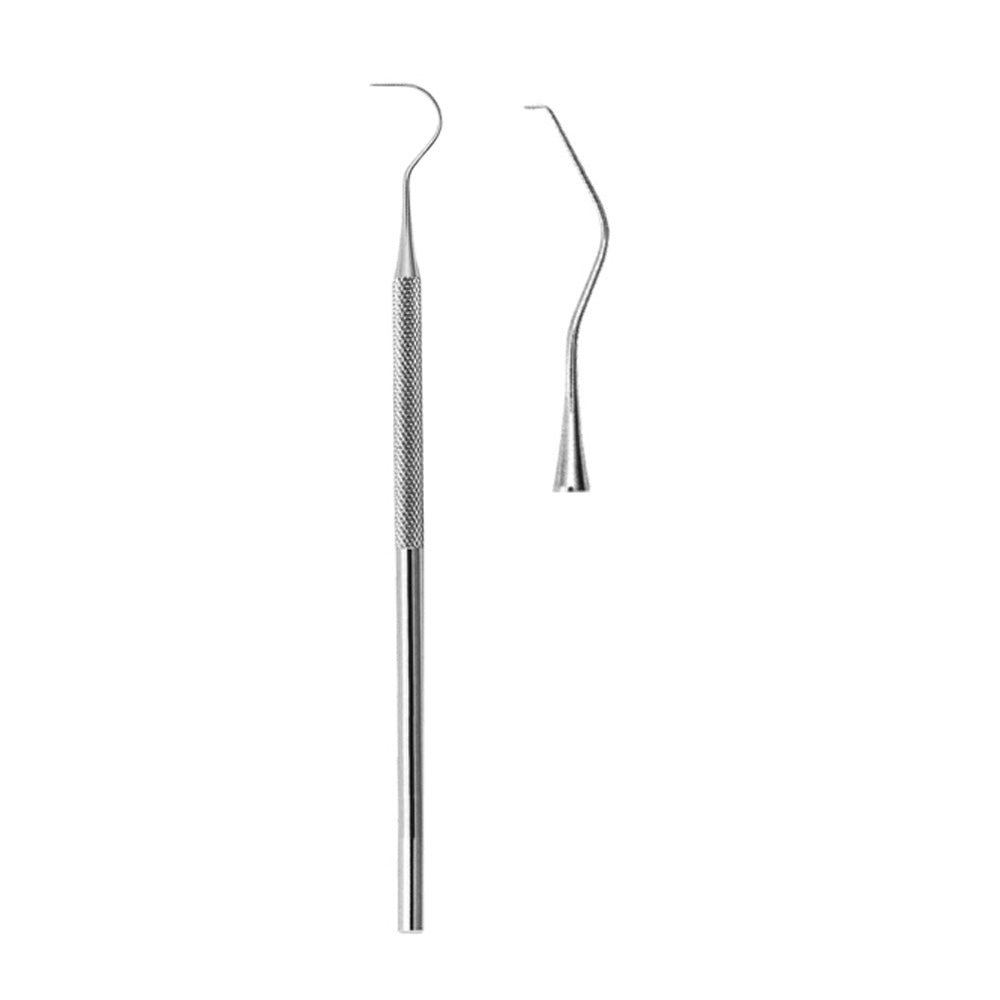
Overview of Dental Explorers
Dental Explorers are crucial diagnostic instruments utilised in routine dental examinations to examine the surface of teeth and restorations, as well as the general health of the mouth. With fine and sensitive tips for working, explorers let dentists identify any issues that aren't always evident during examinations with a visual. Constructed of durable stainless steel, dental explorers are an essential part of any dentist's diagnostic kits.
Purpose and Clinical Applications
The principal function of dental explorators is to assess the health of oral structures and teeth by utilising tactile sensation. By gently tracing the tooth surface, dental professionals can spot the areas that need more examination or treatment.
Dental explorers are often employed for:
Their accuracy makes them indispensable in early diagnosis and an efficient treatment plan.
Common Types of Dental Explorers
Dental explorers come in a variety of styles, each designed to meet particular diagnostic requirements. They include:
Each model has its own unique accessibility and tactile sensitivity based on the requirements of the clinic.
Material and Construction
Dental explorers are generally made out of top-quality medical-grade stainless steel that guarantees durability, resistance to corrosion, and a long-lasting service life. Steel construction allows instruments to endure repeated sterilisation cycles while retaining their sharpness and accuracy.
The polished, smooth finish makes it easy to clean and is in accordance with the strictest standards of infection control.
Advantages in Dental Practice
Using appropriate dental explorer types provides several key benefits:
The right explorer type improves accuracy and decreases the chance of a missed diagnosis.
Role in Modern Dental Care
The modern dental profession is one where precise diagnosis is the basis of successful treatment. Dental Explorer Types are essential in achieving this precision through providing tactile feedback that is in addition to visual examination. Their stainless-steel construction, a variety in designs and precision tips make dental explorers vital instruments for dentists who are dedicated to providing high-quality dental healthcare that is preventive and preventive.
