Veterinary Dental Curettes
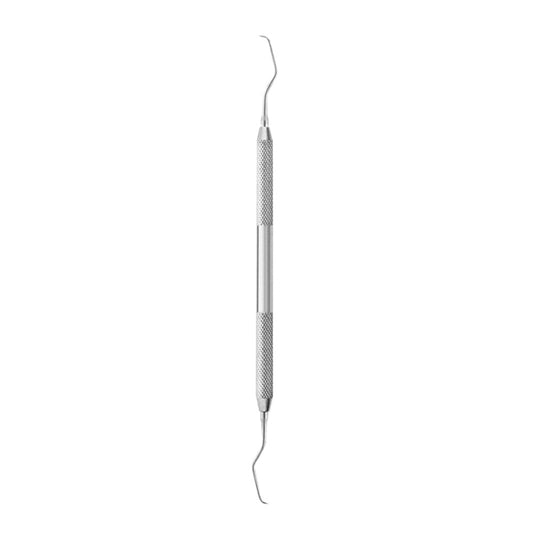
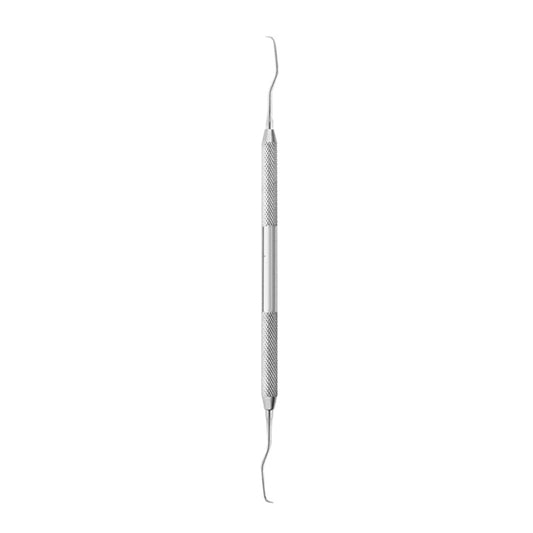
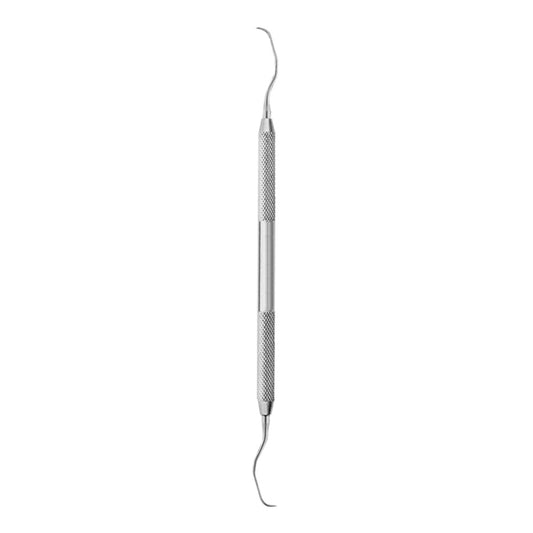
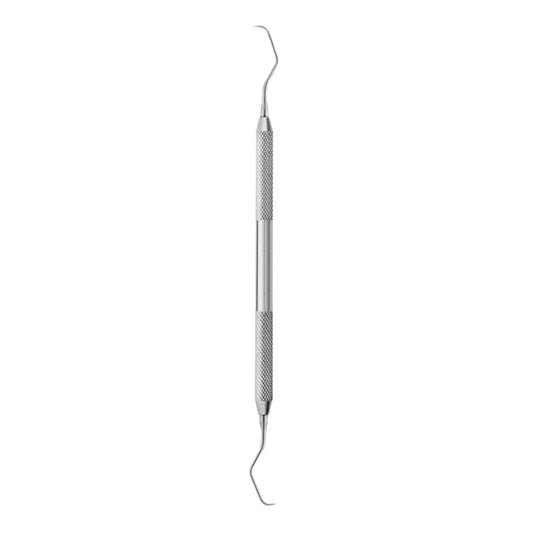
Dental curettes in veterinary practice serve two related but distinct purposes: removing subgingival calculus and debris from the tooth surface during periodontal scaling, and curetting bone or soft tissue from an extraction socket after a tooth is removed. This collection covers both.
What's in This Collection
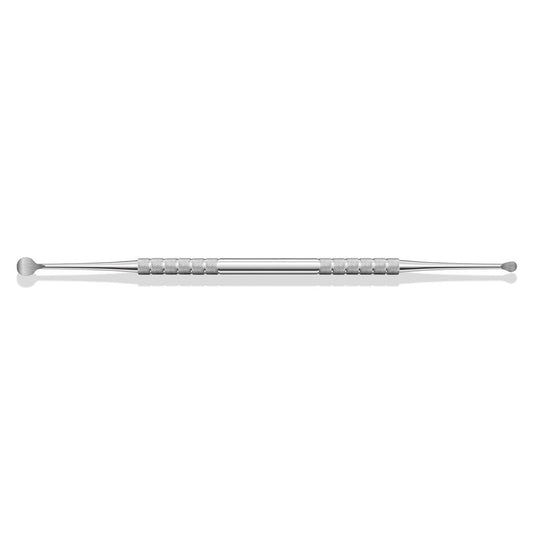
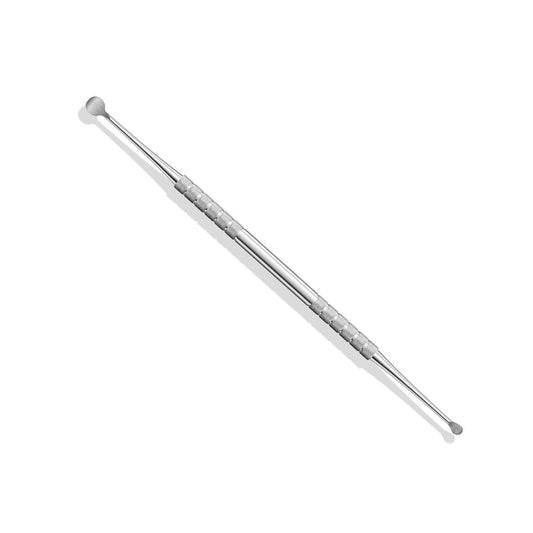
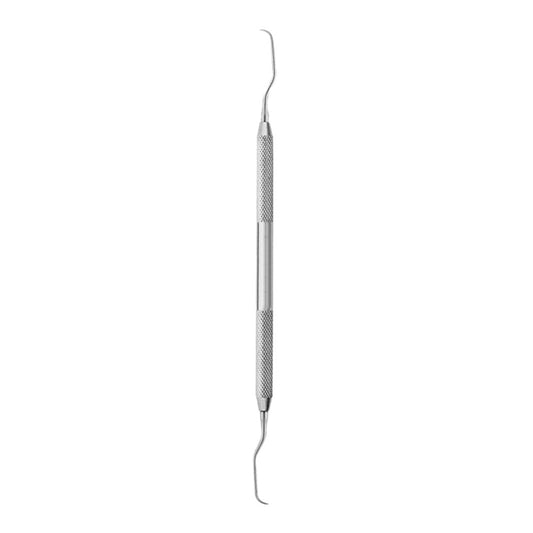
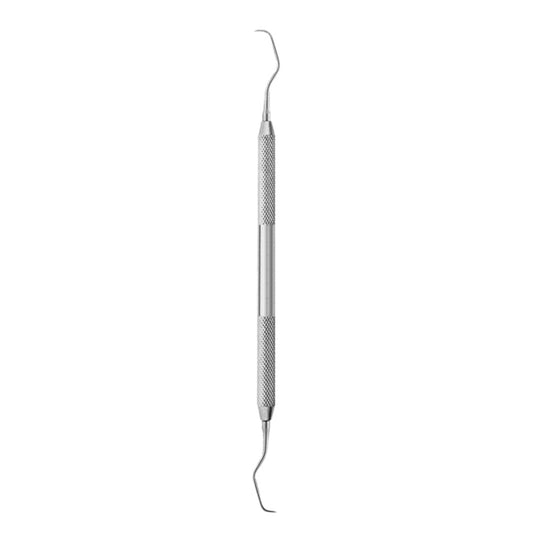
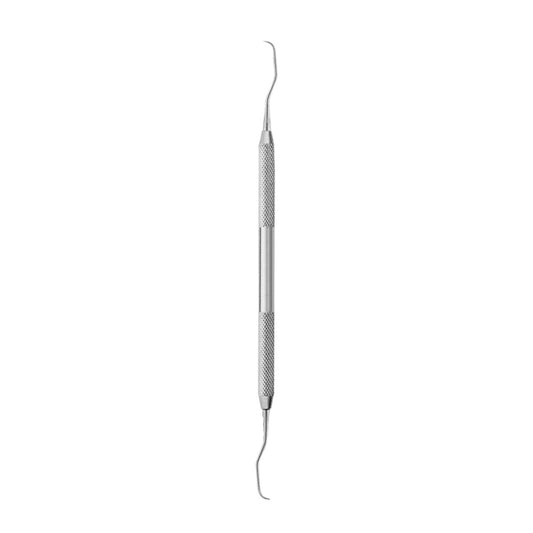
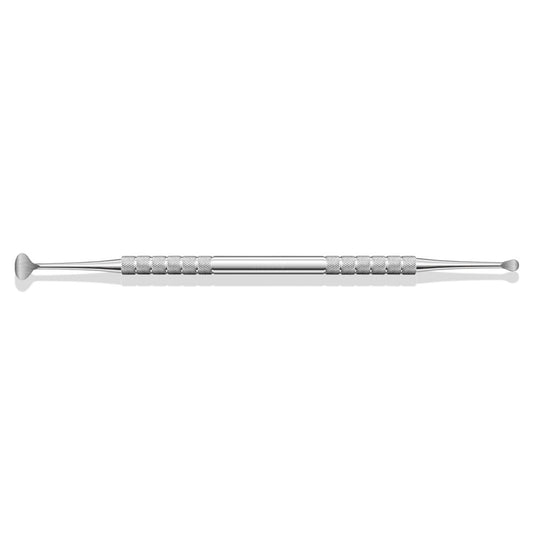
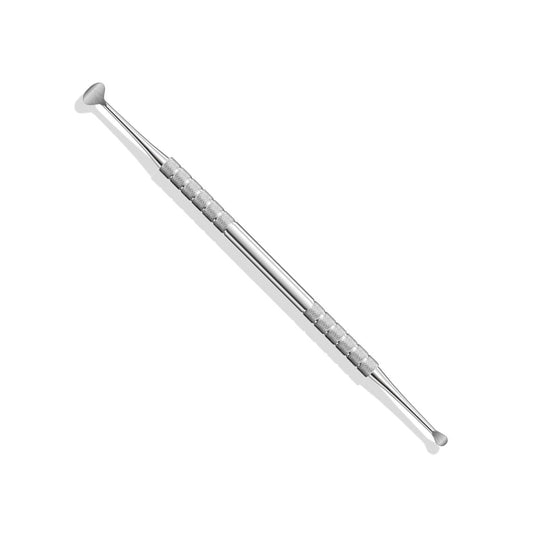
For periodontal scaling and debridement, the range includes several blade configurations — Dental Curettes AF Type, AF Type 1/2, AF Type Fig. 3/4, AF Type 5/6, MF Type, Dental Clinic Curettes, and the Dental Curette in Hollow Handle. Each numbered or lettered configuration corresponds to a different blade shape and angulation, letting the clinician match the curette to the tooth surface and pocket depth being worked on, rather than using one universal shape across the whole mouth.
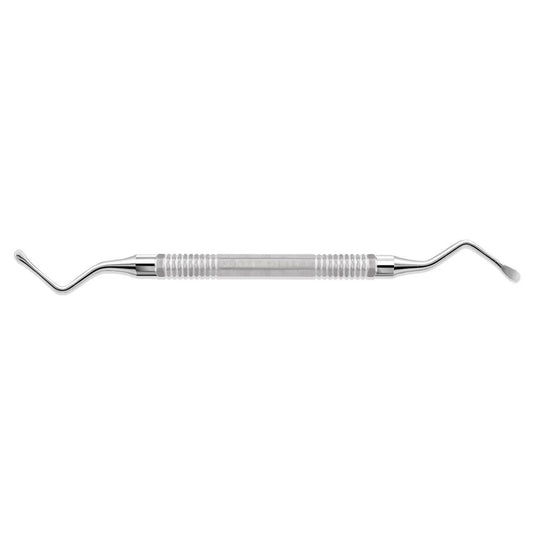
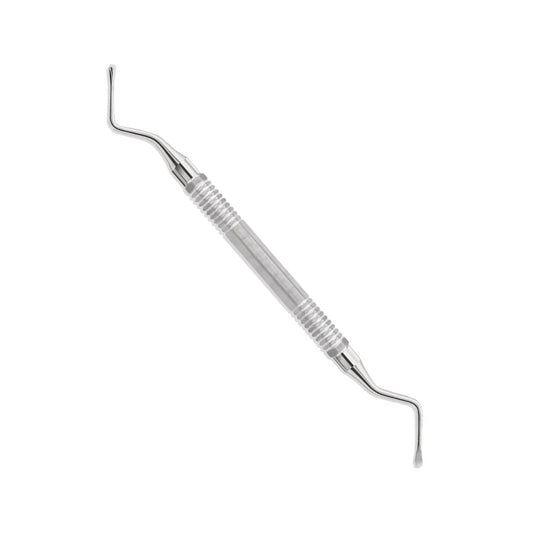
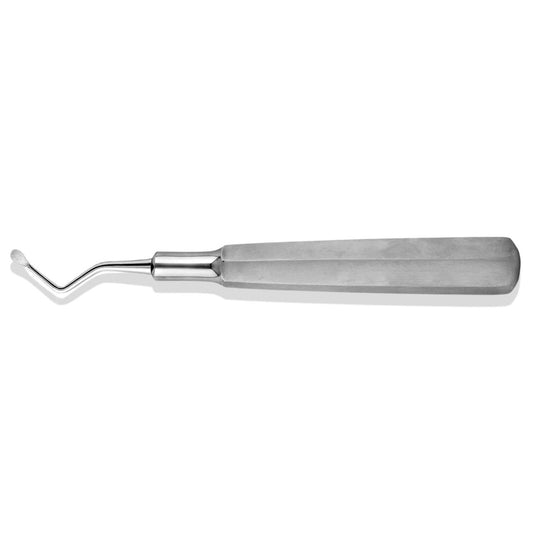
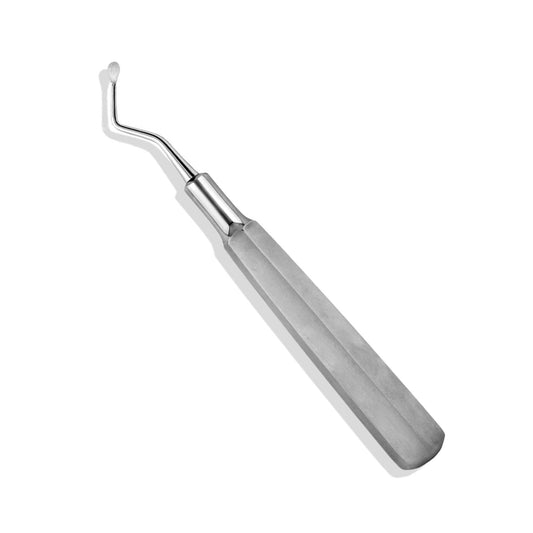
For socket and bone curettage, the Molt Curette (3mm and 4mm) and Dental Molt Curette Instruments are used for periodontal debridement and clearing extraction sockets. The Molt Bone Curette, with a 2.9mm angled spoon tip, is purpose-built for alveolar socket curettage after extraction. The Serrated Lucas Bone Curette adds a textured edge for controlled removal of granulation tissue or bone fragments from a socket.
Choosing the Right Curette
Periodontal scaling calls for a blade shape matched to the tooth surface and pocket angle — a straight or lightly curved blade for buccal/lingual surfaces, a more angled blade for interproximal access. Socket curettage after extraction is a different task entirely: a Molt or Lucas pattern, with its spoon or serrated tip, is built to clear debris and granulation tissue from within the socket rather than scale a tooth surface.
Related Instruments
Pair periodontal curettes with Dental Scalers for calculus removal above the gumline, and with Dental Burnishers for finishing. For extraction procedures, pair socket curettes with Dental Elevators, Luxation Elevators, and Dental Extracting Forceps. For a broader debridement toolkit, see Bone Curettes and Dental Furcation & Bone Files.
To browse the complete range, visit Small Animal Dental Instruments or the full Veterinary Instruments catalog.
Ordering
Peak Surgicals manufactures and supplies veterinary dental curettes in bulk for clinics and distributors worldwide, with international shipping and custom logo branding available on request — contact our team for a wholesale quote.
Frequently Asked Questions
What's the difference between a periodontal curette and a bone curette?
A periodontal curette removes calculus and debris from the tooth surface during scaling. A bone curette, like the Molt or Lucas pattern, clears bone fragments and granulation tissue from an extraction socket — a different task performed after the tooth is already out.
What is a Molt curette used for in veterinary dentistry?
A Molt curette is used for periodontal debridement and for curetting extraction sockets, with 3mm and 4mm sizes covering routine socket-clearing needs after tooth removal.
Why are there different blade shapes for periodontal curettes?
Different tooth surfaces and pocket angles require different blade shapes and angulations to reach and scale effectively — a single universal blade shape can't access every surface in the mouth equally well.
What is a serrated bone curette used for?
A serrated edge, like the one on the Lucas bone curette, gives more controlled removal of granulation tissue or small bone fragments from a socket compared with a smooth-edged curette.
Are veterinary dental curettes reusable?
Yes, these are reusable stainless steel instruments intended for autoclave sterilization and repeated clinical use.