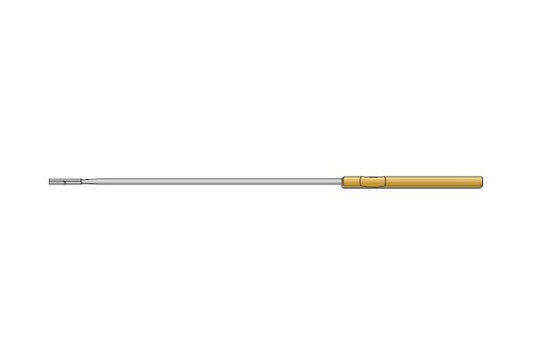
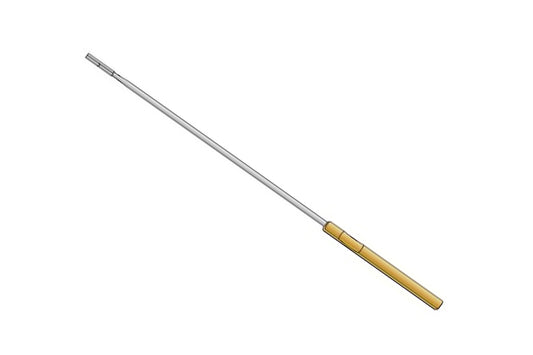
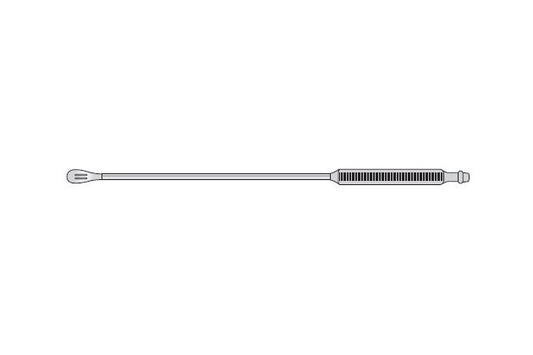
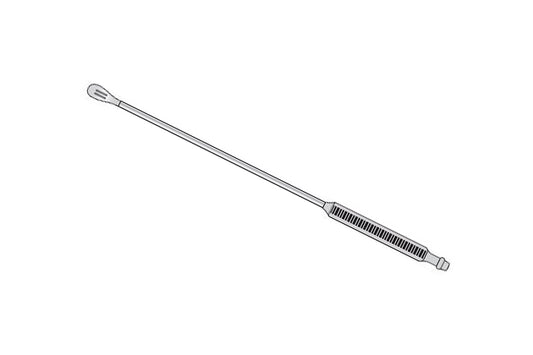
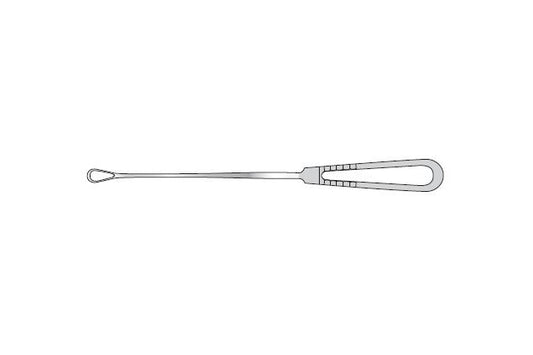
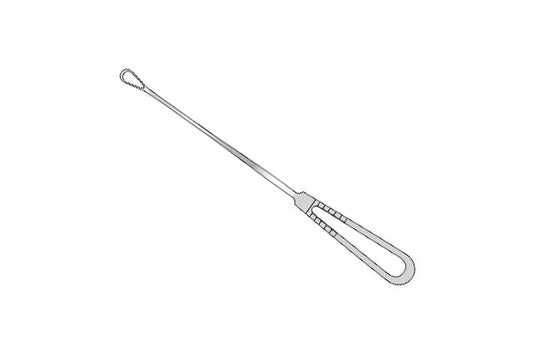
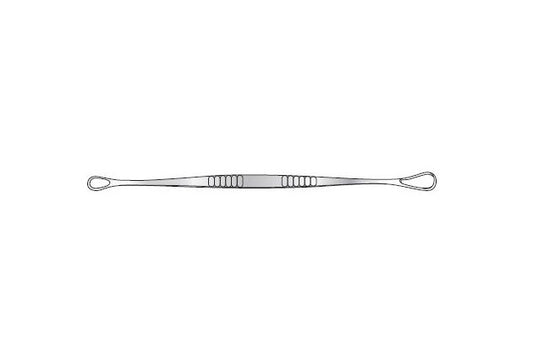
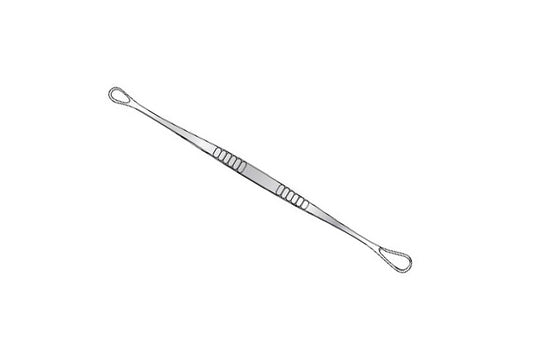
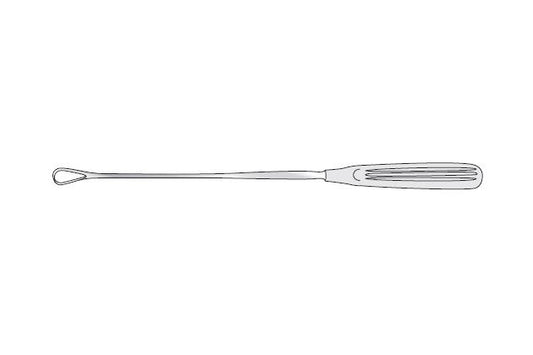
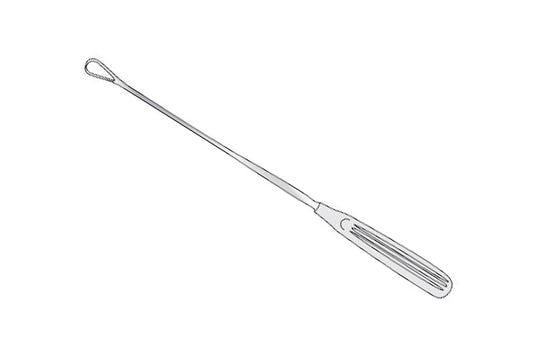
Uterine curettes scrape or sample the uterine lining sharp loops for firm tissue removal, blunt loops for gentler evacuation, and specialty tips for biopsy or flushing. Peak Surgicals supplies six patterns Kevorkian, Novak, Sims, Recamier and Rheinstadter, in German stainless steel, from $13.20 to $19.80. Each is CE marked and built under ISO 13485. Compare all six curettes in the grid below.
Biopsy or General Curettage: Which Pattern?
Kevorkian and Novak curettes are built specifically for endocervical and endometrial biopsy sampling, while Sims and Recamier curettes handle general dilatation and curettage, the loop shape and edge sharpness follow whether the goal is a diagnostic tissue sample or full evacuation. Purpose, not just size, is what separates this range.
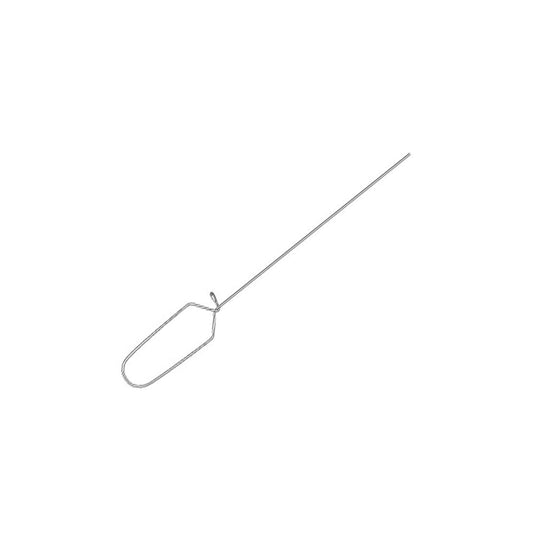
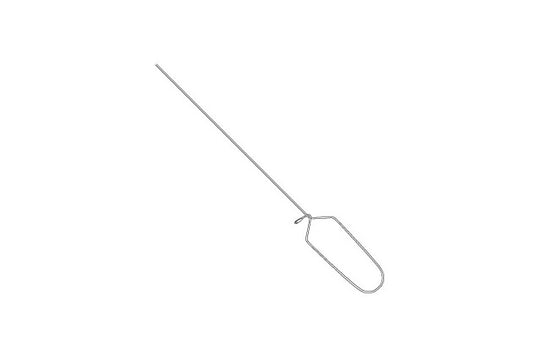
Kevorkian Biopsy Curette with Basket (PS-GS-0031, $19.80, 30cm, 4mm) carries a basket that retains excised endocervical tissue for biopsy, the basket is what distinguishes excision from simple biopsy sampling. Novak Curette (PS-GS-0032, $19.80, 230mm) uses an angled, serrated tip that aids both removal and collection of endometrial biopsy tissue. For general curettage, Sims Uterine Curettes (PS-GS-0034, $19.80) and the 250mm double-ended small 7×5mm pattern (PS-GS-0033, $19.80) offer sharp loops for removing firm tissue and blunt loops for gentler evacuation of conception products, the same instrument family serves both jobs depending on which end is used. Recamier Uterine Curette (PS-GS-0029, $19.80, 310cm, rigid shaft) handles placental evacuation and cervical biopsy with a fenestrated oval tip built to scrape the lining cleanly. We supply every pattern at MOQ 1.
Sharp vs Blunt, and What the Rheinstadter Does Differently
A sharp curette loop removes firm, adherent tissue that a blunt loop cannot dislodge, while a blunt loop evacuates softer material, such as retained products of conception, without the risk of perforation a sharp edge carries. Choosing between them follows tissue consistency, not procedure type alone: the same dilatation and curettage case may call for a sharp pass followed by a blunt one.
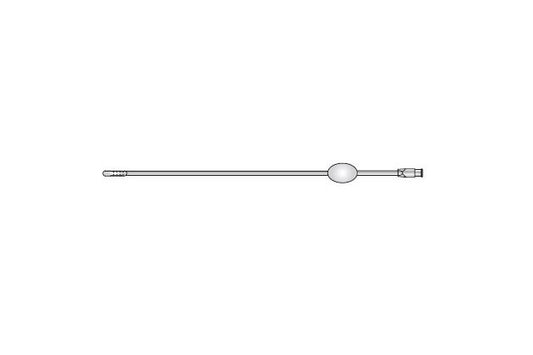
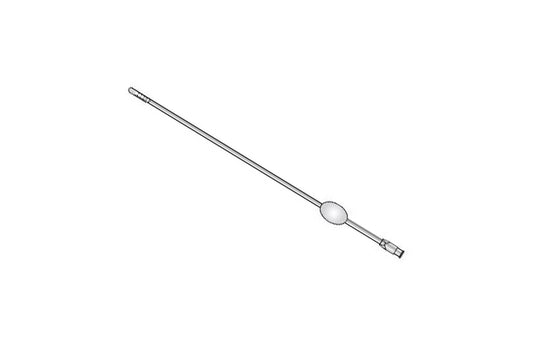
The Rheinstadter Flushing Curette (PS-GS-0035, $19.80, 290mm, sharp 8mm) works differently from the rest of the range. Its cup-shaped tip carries holes that allow suction of delicate tissue during flushing, combining mechanical curettage with active clearance in one pass, rather than relying on the loop alone to lift material free. This is the pattern to reach for where debris needs active removal rather than passive scraping.
Reprocessing, Edge Integrity and Certification
These curettes are forged from German stainless steel, corrosion-resistant across repeated autoclave cycles, and holding loop shape under the scraping pressure curettage applies. The loop edge is the inspection point: a sharp curette that has dulled no longer removes tissue cleanly and requires more passes, while a blunt curette with a deformed edge risks unintended trauma. Check the Kevorkian basket and Rheinstadter suction holes for debris after each use, since these features trap tissue that a simple wipe will not clear.
Every instrument is Class I, reusable, CE marked and built under ISO 13485 — the documentation a hospital supply team verifies before qualifying a vendor. Warranty is one year with return-and-replacement, MOQ is 1 piece, orders over $99 ship free in carton box packing, and OEM marking is available for distributors. For the broader range see uterine dilators and curettes; for insertion instruments see gynecology cannulas. Browse all gynecology instruments. Talk to us about OEM and volume terms.