Corneal Markers for Precise Axis and Incision Marking
In eye surgery, small marking errors can carry through to the final result. A corneal marker gives the surgeon a clear reference on the cornea, whether the goal is to align a toric lens, mark an incision or set a surgical axis. Our corneal markers collection offers line-style, ring-style and axis markers for ophthalmic surgeons, residents and hospital purchasing teams who want clearly described instruments at clear prices. Whether you are equipping an eye theatre, a day-surgery unit or a teaching lab, you can compare each marker pattern and choose the reference that suits your technique.
Types of Corneal Markers We Offer
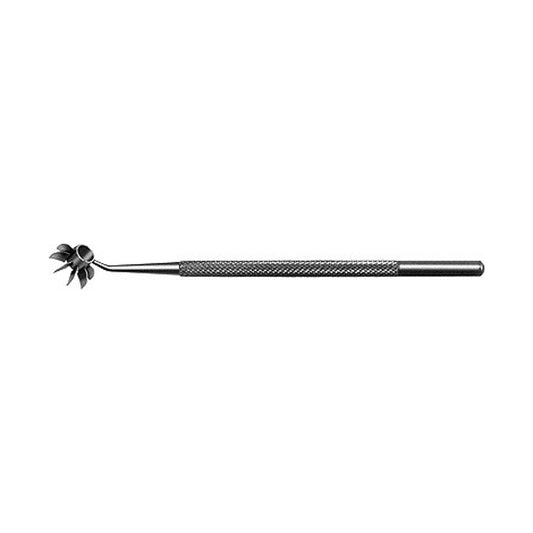
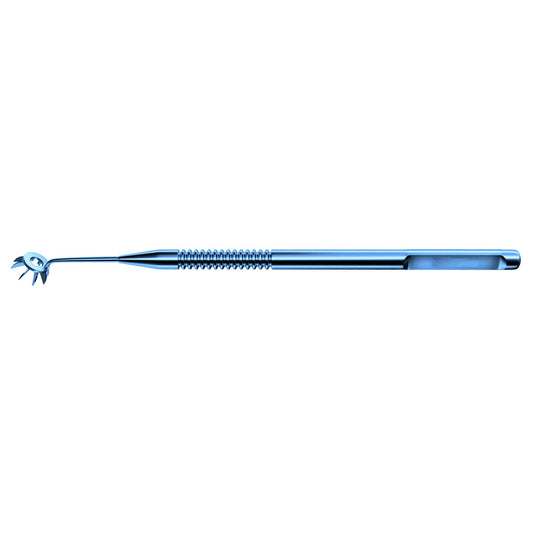
Multi-line markers. The Osher-Neumann Corneal Marker 8 Line uses eight lines to give a clear reference across the cornea. The Low Profile Corneal Marker 4 Line uses four lines in a slimmer design.
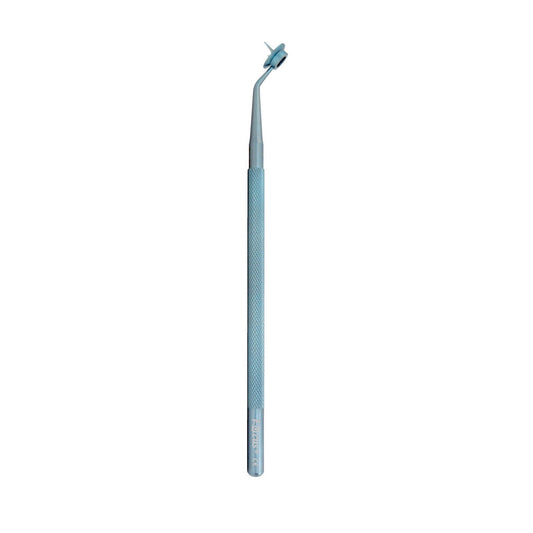
Ring markers. The Corneal Marker 8.5mm / 9mm is offered with selectable options and gives a circular mark at the diameter you choose, which helps with centering.
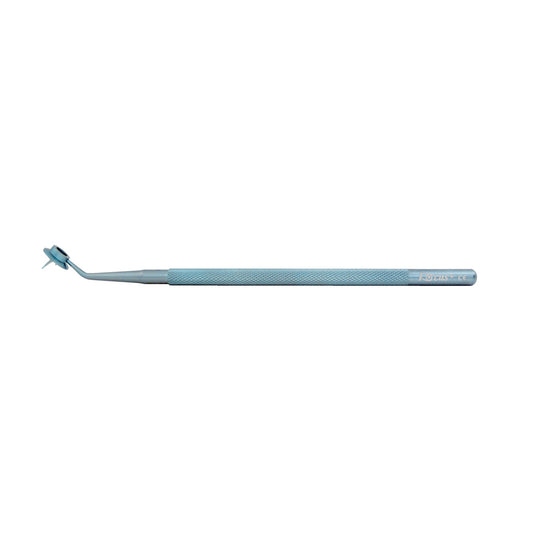
Axis markers. The Axis Marker, Titanium Two Line Marker is made of titanium and uses two lines to mark the chosen axis.
Why Marker Design Matters
The line count, ring diameter and tip shape of a marker all change what you see on the cornea. A fine, even mark is easier to read and align, while a poorly shaped tip can smudge or skip. A balanced handle also helps you apply light, steady pressure. Reliable markers also save time, because a clear first mark means fewer repeats and less handling of the eye. Check the details on each product page, and choose the pattern that fits your technique. Between cases, protect fine tips in an ophthalmic sterilizing case and follow your facility's protocol and the manufacturer's reprocessing instructions.
How to Choose the Right Corneal Marker
-
Purpose: Pick an axis marker for meridian marking, a ring marker for centering and a multi-line marker for a broader reference.
-
Line count: Choose the number of lines that gives you the reference you want without cluttering the view.
-
Diameter: For ring markers, confirm the size you need, such as 8.5 mm or 9 mm.
-
Material: Check the material listed on the product page, since only some listings state it.
Read each listing for line count and diameter before you order, and compare patterns if you build a new set. Keep a spare marker available, so a damaged tip never delays a list.
Complete Your Ophthalmic Set
A marker is one part of a larger setup. Explore these related categories to build a full eye surgery tray, from measuring and exposure through to cutting and instrument care:
Ordering from Peak Surgicals
We ship worldwide, and orders above $99 qualify for free shipping. See our shipping policy for details. Not sure which marker suits your technique? Contact our team and we will help you choose.
Frequently Asked Questions
1. What is a corneal marker used for?
A corneal marker leaves a temporary reference mark on the cornea so the surgeon can align an implant, mark an axis or place an incision. Browse the full corneal markers collection to see the available patterns.
2. What is the difference between an axis marker and a ring marker?
An axis marker marks a line along a chosen meridian, while a ring marker marks a circle at a set diameter, which helps with centering. Many surgeons use both during the same case.
3. How do I choose between 4-line and 8-line markers?
Choose the line count that gives you a clear, uncluttered reference for your technique. Fewer lines give a simpler view, while more lines give a broader reference across the cornea.
4. How should corneal markers be cleaned and sterilized?
Follow the manufacturer's reprocessing instructions and your facility's protocol. Rinse and dry the marker carefully, protect the tip and store it in a case to avoid damage.
5. Do you ship internationally, and is shipping free?
Yes, we ship worldwide, and orders above $99 qualify for free shipping. Delivery details are in our shipping policy, and you can reach our team through the contact page.