Dein Warenkorb ist leer
Weiter shoppenHast du ein Konto?
Logge dich ein, damit es beim Checkout schneller geht.

Ausgewählte Kollektion
Dein Warenkorb
Dein Warenkorb ist leer
Weiter shoppenHast du ein Konto?
Logge dich ein, damit es beim Checkout schneller geht.
Ausgewählte Kollektion

PEAK SURGICALS
SKU:ALT-DR-3204
Verfügbarkeit für Abholungen konnte nicht geladen werden


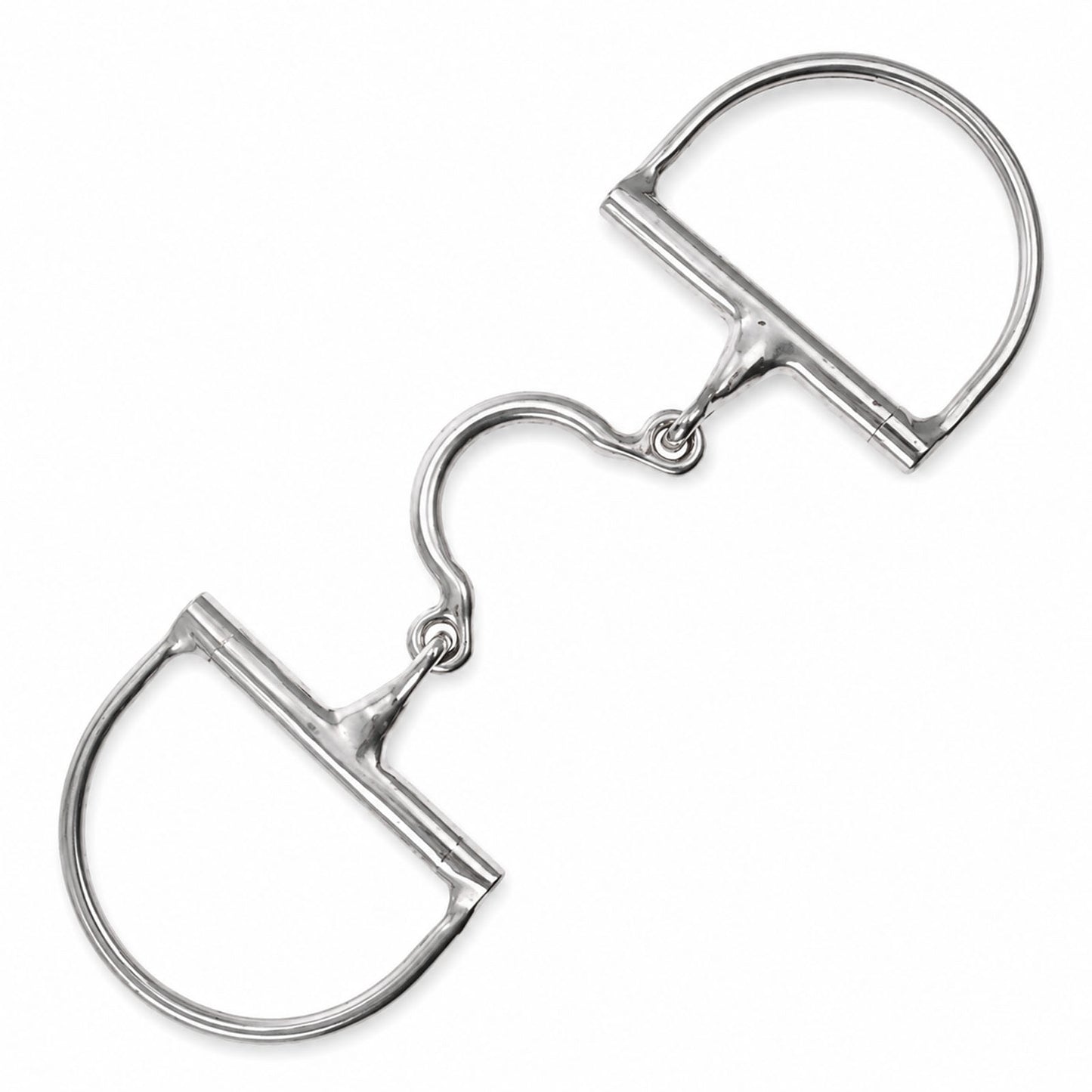
Das einfach gebrochene D-Ring-Gebiss, SKU ALT-DR-3200, ist ein Reitgebiss mit direktem Druck, das aus poliertem deutschem Edelstahl gefertigt ist, mit einem einfach gebrochenen Mundstück und flachen, D-förmigen Seitenteilen. Das Gebiss wird in drei Maulgrößen angeboten: ALT-DR-3200-125 (12,5 cm), ALT-DR-3200-135 (13,5 cm) und ALT-DR-3200-140 (14 cm), und ist für Ponys bis hin zu ausgewachsenen Stock- und Warmblutpferden geeignet. Die D-förmigen Seitenteile liegen flach an der Wange an, halten das Mundstück mittig und verhindern ein Einklemmen der Lefzenwinkel bei seitlichen Zügelhilfen, während das einfache Gelenk in der Mitte des Mundstücks eine unabhängige linke und rechte Zügelwirkung auf die Laden und die Zunge ermöglicht. Dieses Gebiss wird im Western Pleasure, Reining, Ranch Riding, Trail Riding und in der frühen Gebissausbildung von Pferdetrainern, die junge Pferde anreiten, Reitschulen, die Anfänger unterrichten, Pferdebesitzern, die tägliche Arena- und Trailarbeit absolvieren, sowie von Reitsportfachhändlern, die ein Kerngelenk für den allgemeinen Gebrauch führen, eingesetzt. Das Fehlen einer Schenkel- oder Kinnkette hält dieses Gebiss im Bereich des direkten Drucks ohne Hebelwirkung, was es zur Standardwahl macht, um einem Pferd beizubringen, lateral nachzugeben, bevor es zu einem Schenkel- oder Kandarengebiss übergeht. Altiger Industries liefert dieses Gebiss an Reitsportfachhändler und Ausbildungsprogramme in den Vereinigten Staaten, Großbritannien, Deutschland und Spanien, angepasst an Maulweite und Ausbildungsstand des Pferdes.
Das einfach gebrochene Mundstück ist der Kernmechanismus dieses Gebisses, das in der Mitte bricht, um zwei unabhängige Ladenabschnitte zu bilden, die sich am Gelenk drehen, wenn der Reiter Zügeldruck ausübt. Das Ziehen eines Zügels dreht diese Seite des Mundstücks nach unten gegen die Lade und die Zunge auf dieser Seite, während die gegenüberliegende Seite sich hebt, wodurch eine Nussknackerwirkung entsteht, die der Grund dafür ist, dass ein einfach gebrochenes Gebiss im Vergleich zu einem festen Mullen- oder Low-Port-Mundstück so klare laterale Biegungshilfen gibt. Das D-förmige Seitenteil ist die zweite bestimmende Komponente, wobei die flache vertikale Seite des D an der Wange des Pferdes anliegt, um zu verhindern, dass das Mundstück durch das Maul rutscht, wenn ein Zügel unabhängig vom anderen verwendet wird, was der Schwachpunkt eines Wassertrensen auf einem jungen Pferd ist, das noch lernt, den Kontakt gleichmäßig zu halten. Der abgerundete Boden des D-Rings ist der Befestigungspunkt für den Zügel, positioniert unterhalb des Mundstückgelenks, so dass der Zügelzug direkt in die Gelenkrotation übertragen wird, ohne den Rotationsspielraum, den ein Wassertrense einführt. Es gibt keinen Schenkel an diesem Gebiss, so dass der Zügelzug eins zu eins in den Mauldruck übersetzt wird, ohne mechanische Hebelwirkung, was den Druck vorhersehbar und proportional zu dem hält, was die Hand des Reiters tatsächlich tut, eine Eigenschaft, auf die Trainer vertrauen, wenn ein Pferd lernen muss, Zügeldruck zu akzeptieren und nachzugeben, bevor es mit einem Gebiss mit Hebelwirkung eingeführt wird.
Dieses D-Ring-Gebiss ist das Standardgebiss, um junge Pferde unter dem Sattel anzureiten, da die direkte, nicht hebelnde Wirkung es einem Anreiter ermöglicht, Druck klar anzuwenden und wieder loszulassen, während das Pferd noch lernt, was Zügelkontakt bedeutet, bevor ein Kandaren- oder Hebelgebiss ins Programm kommt. Western Pleasure- und Ranch Riding-Pferde tragen dieses Gebiss während der frühen und mittleren Trainingsphasen, da das Gelenkstück die laterale Biegung und Nachgiebigkeit unterstützt, die für Zirkel, Schlangenlinien und Schenkelweichen im Schritt und Trab erforderlich sind. Reining-Nachwuchspferde verwenden dieses Gebiss während der grundlegenden Stop-, Dreh- und Lateralarbeit, bevor sie zu einem Korrektur- oder Hebelgebiss übergehen, sobald das Pferd in seiner Reaktion auf Zügel- und Sitzhilfen bestätigt ist. Trail- und Allround-Reitpferde bleiben langfristig in diesem Gebiss, wenn der Reiter einen milden, direkten Maul-Kontakt gegenüber der zusätzlichen Bremskraft eines Schenkelgebisses schätzt, insbesondere in gemischtem Gelände, wo schnelle, klare Freigaben wichtiger sind als Hebelwirkung. Reitschulen verwenden das D-Ring-Muster speziell für Reitanfänger, da das feste Seitenteil die Gefahr verringert, dass das Gebiss durch das Maul gezogen wird, wenn ein neuer Reiter ungleichmäßigen oder inkonsistenten Zügeldruck ausübt. Trainer, die Pferde mit einer Vorgeschichte des Lehnens oder Abstützens gegen ein Schenkelgebiss neu anreiten, greifen oft auf dieses Muster zurück, um ein weiches, reaktionsfreudiges Maul wiederherzustellen, bevor sie die Hebelwirkung wieder einführen.
Der ALT-DR-3200-125 mit 12,5 cm eignet sich für Ponys und schmalmaulige Pferde, bei denen ein längerer Schenkel über die Lefzenwinkel hinausreichen und sich bei einseitigen Zügelhilfen seitlich verschieben würde, was die Präzision der Gelenkwirkung verringert. Der ALT-DR-3200-135 mit 13,5 cm ist die mittlere Größe, die den meisten durchschnittlichen Stockpferden und Warmblütern passt und einen ausgewogenen Freiraum bietet, so dass das Gelenk mittig auf der Zunge sitzt, ohne die Laden zu bedrängen. Der ALT-DR-3200-140 mit 14 cm passt breiteren Kieferpferden und Zugpferden, bei denen ein kürzeres Mundstück die Lefzenwinkel gegen die D-förmigen Backenstücke drücken und während längerer Reit- oder Trail-Sitzungen Reibungen verursachen würde. Bei allen drei Größen ist das D-förmige Backenstück die Komponente, die die Seitenstabilität bestimmt und verhindert, dass das Mundstück bei einseitiger Zügelarbeit durch das Maul rutscht, was bei einem losen Ring nicht verhindert werden kann, weshalb dieses Muster einem losen Ring für unerfahrene Pferde, die noch lernen, gleichmäßigen Kontakt zu halten, vorgezogen wird. Das Mittelgelenk ist die Komponente, die den Biegungscharakter des Gebisses bestimmt, und Reiter, die zwischen diesem einfach gebrochenen Muster und einer doppelt gebrochenen oder Mullen-Alternative wählen, entscheiden sich zwischen einer stärkeren, deutlicheren Nussknackerhilfe und einem milderen, gleichmäßigeren Druck über die Zunge. Die flache Backenfläche ist auch der Befestigungspunkt für einen Gebisskonverter oder eine Kinnriemen bei Reitern, die eine leichte Genickstabilisierung wünschen, ohne echte Schenkelhebelwirkung hinzuzufügen.
Mundstück und Seitenteile werden aus poliertem deutschem Edelstahl gefertigt, der für eine glatte, reibungsarme Oberfläche gewählt wurde, die nicht an Lippen und Laden aufraut, wie es bei minderwertigem oder beschichtetem Stahl nach wiederholten Reit- und Reinigungszyklen der Fall ist. Edelstahl wird auch wegen seiner Korrosionsbeständigkeit bei täglichem Abspülen, Stallstaub und Speichelexposition gewählt, wodurch das Gelenkscharnier frei beweglich bleibt, anstatt zu verhaken oder raue Kanten zu entwickeln, die die Zunge am Drehpunkt irritieren könnten. Da dieses Gebiss schlichten Edelstahl und keinen Sweet Iron- oder Kupfereinsatz verwendet, bildet es keine oxidierte Patina, und Reiter können es nach jedem Ritt abspülen und trocken wischen, ohne eine Oberflächenbeschaffenheit erhalten zu müssen, im Gegensatz zu einem Sweet Iron-Mundstück, bei dem Polieren die Geschmacksreaktion entfernen würde. Die regelmäßige Inspektion des Mittelgelenks ist der Hauptwartungspunkt, da Verschleiß am Scharnier über ein langes Trainingsprogramm Spiel verursachen kann, das die Schärfe des Nussknackereffekts verändert. Dieses Gebiss wird unter Exportzertifizierung für den internationalen Fachhandel hergestellt und unterstützt die Großhandelsversorgung in den Vereinigten Staaten, Großbritannien, Deutschland und Spanien mit gleichbleibender Hardwarequalität in jeder Produktionscharge, was für Händler und Trainingsprogramme wichtig ist, die Gebisse für eine ganze Reihe von Pferden ersetzen.
| Attribut | Wert |
|---|---|
| SKU | ALT-DR-3200 |
| Produktname | Einfach gebrochenes D-Ring-Gebiss |
| Preis | 42,00 $ |
| Größenvarianten | ALT-DR-3200-125 (12,5 cm), ALT-DR-3200-135 (13,5 cm), ALT-DR-3200-140 (14 cm) |
| Produktkategorie | Gebisse |
| Reitnutzung | Western Pleasure, Ranch Riding, Reining-Grundlagen, Ausreiten, Anreiten junger Pferde |
| Material | Deutscher Edelstahl, einfach gebrochenes Mundstück und D-förmige Seitenteile |
| Oberfläche | Durchgehend polierter Edelstahl |
| Reinigung | Nach jedem Ritt abspülen und trocken wischen; Mittelgelenk regelmäßig auf Verschleiß prüfen |
| Produktklassifizierung | Direktdruck-Gelenkgebiss |
| Wiederverwendbar | Ja |
| Zertifizierungen | Exportzertifiziert für den internationalen Reitsportfachhandel |
| Garantie | 12 Monate Garantie auf Herstellungsfehler |
| Mindestbestellmenge (MOQ) | 1 Einheit im Einzelhandel, 50 Einheiten im Großhandel |
| OEM / Sonderanfertigungen | Verfügbar, einschließlich Private Label und kundenspezifischer Gravur |
| Kundendienst | Direkter Ersatzteilservice und technische Anpassungsunterstützung |
Ein Wassertrense ermöglicht es den Ringen, sich frei durch die Backenlöcher zu drehen, wodurch sich das Mundstück selbst zentrieren und zum Kauen anregen kann, aber dieselbe Freiheit lässt das Gebiss seitlich durch das Maul rutschen, wenn ein Zügel unabhängig verwendet wird. Das D-Ring-Gebiss fixiert die Backenstücke in einer flachen D-Form am Pferdekopf, so dass das Mundstück bei einseitigen Zügelhilfen zentriert bleibt und nicht durchrutscht, wie es bei einem Wassertrense bei einem unerfahrenen Pferd der Fall sein kann. Dies macht das D-Ring-Muster zur bevorzugten Wahl für Anreiter und Reitschulen, die Anfänger unterrichten, da in beiden Situationen ungleichmäßiger oder asymmetrischer Zügeldruck auftritt, bei dem seitliche Stabilität wichtiger ist als die zusätzliche Kautanregung, die ein Wassertrense bietet. Reiter, die erfahrene Pferde reiten und das selbstzentrierende Gefühl eines Wassertrenses schätzen, haben oft beide Muster in der Sattelkammer und wählen je nach Ausbildungsstand des Pferdes, anstatt das eine als universellen Ersatz für das andere zu betrachten. Der Hauptunterschied liegt in der seitlichen Stabilität versus der Kautanregung, und das D-Ring-Gebiss ist für Ersteres konzipiert.
Die Größenauswahl basiert auf der Maulweite, gemessen an den Laden, nicht auf der gesamten Pferdhintergrundhöhe, da zwei Pferde ähnlicher Größe spürbar unterschiedliche Kieferbreiten haben können. Das ALT-DR-3200-125 mit 12,5 cm passt Ponys und schmalmauligen Pferden, bei denen ein längeres Mundstück über die Lefzenwinkel hinausreichen und die Präzision von einseitigen Zügelhilfen verringern würde. Das ALT-DR-3200-135 mit 13,5 cm ist die Größe, die die meisten Reitprogramme standardmäßig für durchschnittliche Stockpferde und Warmblüter verwenden, da es das Gelenk auf der Zunge zentriert, ohne die Laden zu bedrängen. Das ALT-DR-3200-140 mit 14 cm passt breiteren Kieferpferden und Zugpferden, bei denen ein kürzerer Schenkel die Lefzenwinkel während längerer Reitzeiten gegen die D-förmigen Backenstücke drücken würde. Ein korrekt dimensioniertes Mundstück ragt auf jeder Seite leicht über die Lefzenwinkel hinaus, ohne dass die Länge die Backenzähne erreicht, und Reiter, die ein Pferd zwischen den Größen wechseln, sollten nach den ersten Ritten den Lefzenfreiraum erneut überprüfen.
Die Exportzertifizierung bedeutet, dass das D-Ring-Gebiss gemäß den Dokumentations- und Qualitätskontrollstandards hergestellt wird, die für den Versand in internationale Märkte erforderlich sind, was für Reitsportfachhändler, die Hardware für den Wiederverkauf in den Vereinigten Staaten, Großbritannien, Deutschland und Spanien beziehen, direkt relevant ist. Deutscher Edelstahl ist sowohl für das Mundstück als auch für die Backenstücke spezifiziert, da er eine gleichbleibende Politur behält und Korrosion durch wiederholtes Reiten, Reinigen und Lagern widersteht, wodurch die Rückgabe- und Garantieanspruchsrate reduziert wird, die minderwertige Stahlgebisse über eine Saison der Nutzung generieren. Für die Beschaffung ermöglicht dieser Standard, dass Pferdetrensen sowohl Einzelhandelsbestellungen als auch größere Großhandels-MOQ-Bestellungen unter identischen Material- und Zertifizierungsspezifikationen erfüllen, so dass ein Händler, der von einer Musterbestellung zu einer vollständigen Lagerbestellung übergeht, die gleiche Hardwarequalität in jeder Charge erhält. Reitschulen und Turnierbedarfsläden, die Gebisse für eine vollständige Lehrpferdelinie beziehen, fordern diese Zertifizierung typischerweise als Teil der Lieferantenqualifikation an, bevor sie einen Dauerauftrag erteilen.
Das Mundstück ist in der Mitte einfach gebrochen, und wenn der Reiter auf einen Zügel Druck ausübt, dreht sich diese Seite des Mundstücks nach unten gegen die Lade und die Zunge, während die gegenüberliegende Seite angehoben wird, wodurch die Nussknackerwirkung entsteht, die ein einfach gebrochenes Gebiss auszeichnet. Dies gibt eine deutliche, leicht spürbare Hilfe für die laterale Biegung, weshalb dieses Muster verwendet wird, um einem Pferd beizubringen, auf einen einzelnen Zügel mit Nachgeben von Kopf und Hals zu reagieren, bevor man zu fortgeschritteneren Manövern übergeht. Da das D-Ring-Gebiss keinen Schenkel hat, ist diese Gelenkwirkung die einzige Quelle für eine mechanische Druckänderung, was bedeutet, dass alles, was das Pferd fühlt, ein direktes Eins-zu-Eins-Ergebnis dessen ist, was die Hand des Reiters tut, ohne dass Hebelwirkungen das Signal multiplizieren. Reiter, die beide Zügel gleichmäßig verwenden, erhalten einen milderen, symmetrischeren Zungen- und Ladendruck, während asymmetrische Zügelverwendung den schärferen, einseitigen Nussknackereffekt erzeugt, für den das Gelenk konzipiert ist. Diese vorhersehbare, direkte Beziehung zwischen Hand und Maul ist der Grund, warum Trainer Pferde in den frühen Phasen fast jeder Reitdisziplin in einem einfach gebrochenen D-Ring-Muster halten, bevor sie Hebelwirkungen einführen.
Mundstück und Backenstücke sollten nach jedem Ritt abgespült werden, um Speichel, Staub und Hallenbodenrückstände vom Gelenkscharnier und den Befestigungspunkten der Backenstücke zu entfernen, da Ablagerungen am Scharnier die freie Beweglichkeit des Gelenks beeinträchtigen können. Da dieses Gebiss aus einfachem Edelstahl ohne Sweet Iron- oder Kupfereinsatz besteht, gibt es keine Patina, die erhalten werden muss, so dass Reiter das gesamte Gebiss abwischen und polieren können, ohne seine Funktion zu beeinträchtigen, im Gegensatz zu einem Sweet Iron-Mundstück, bei dem Polieren die Geschmacksreaktion entfernt. Das Mittelgelenk ist die Komponente, die im Laufe der Zeit am genauesten untersucht werden sollte, da Verschleiß am Scharnier als Erstes auftritt, und jede Lockerheit oder raue Bewegung an diesem Punkt ist das Signal, das Gebiss zu überprüfen, bevor der regelmäßige Gebrauch fortgesetzt wird. Die D-förmigen Backenstücke behalten bei normalem Gebrauch ihre Form und müssen nur routinemäßig abgewischt werden, um frei von Schmutz an der flachen Kontaktfläche an der Pferdewange zu bleiben. Mit dieser einfachen Pflegeroutine hält das D-Ring-Gebiss dem täglichen Unterricht, Training und Ausritt stand, und der Kundendienst für Pferdetrensen deckt Ersatzteile ab, falls das Gelenk oder die Backenstücke vor der erwarteten Nutzungsdauer verschleißen.


