Bone Elevators and Raspatories
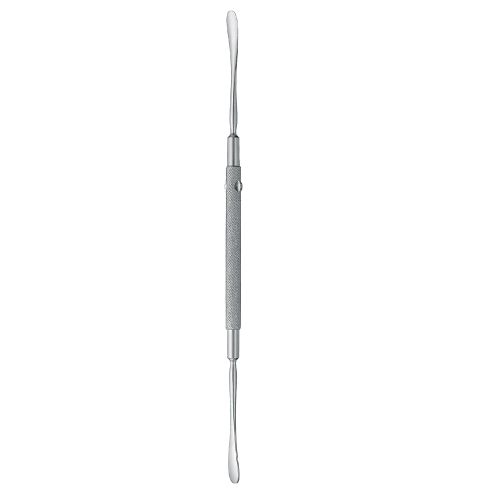
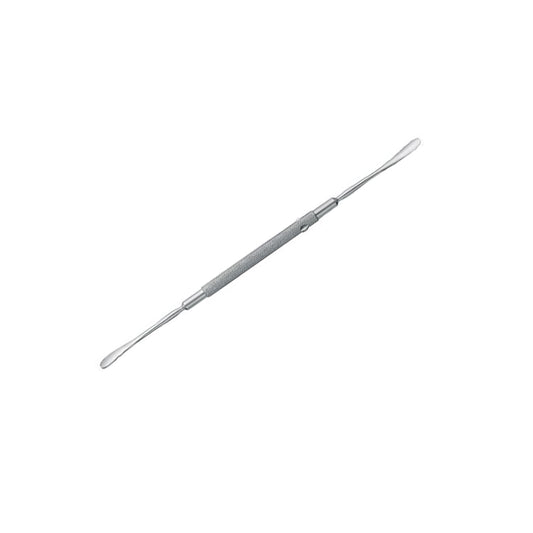
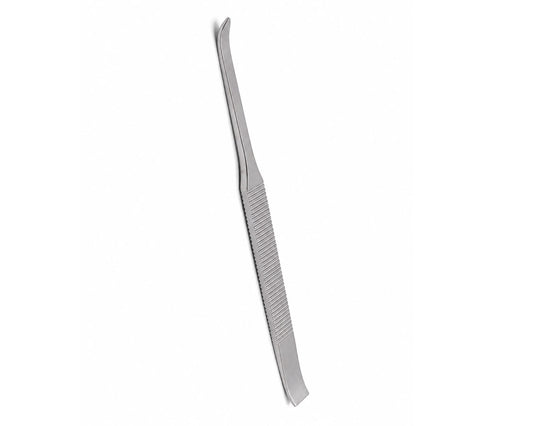
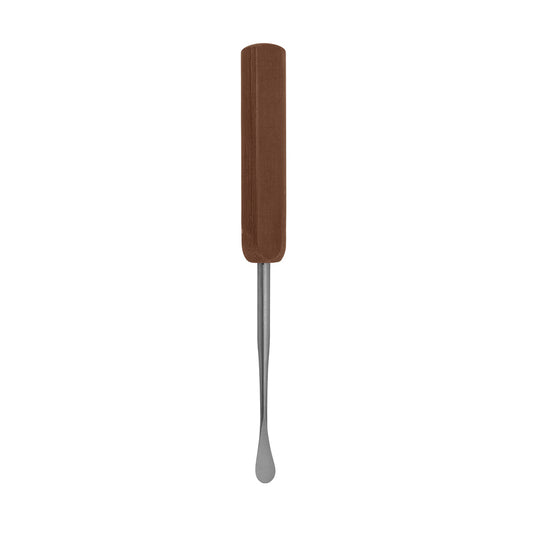
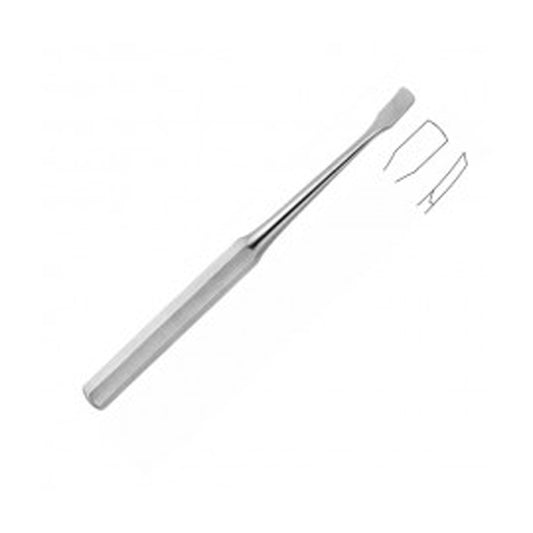
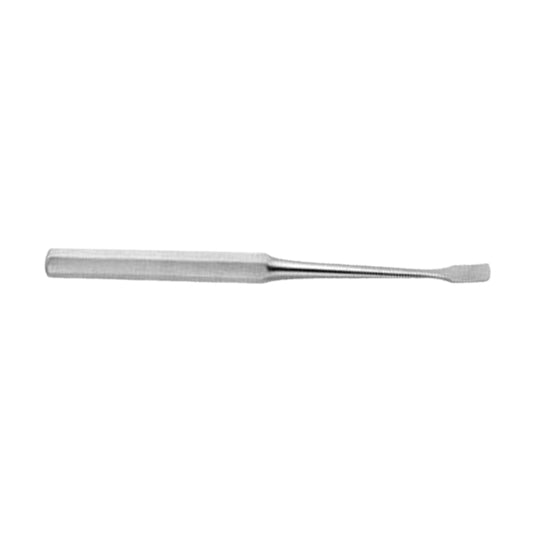
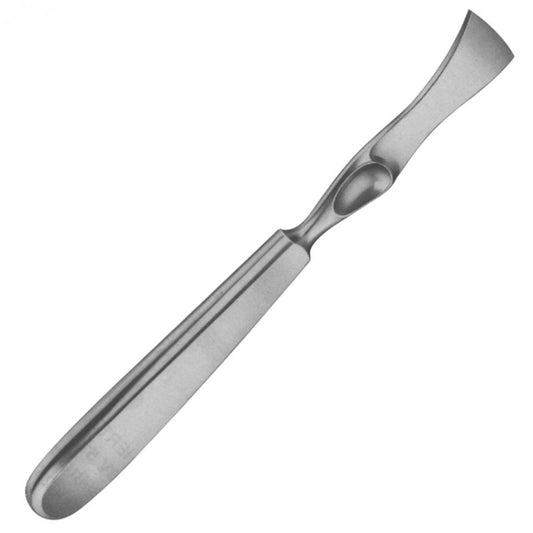
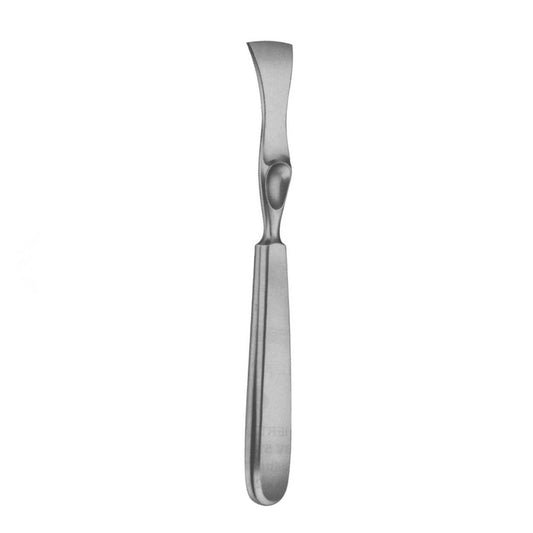
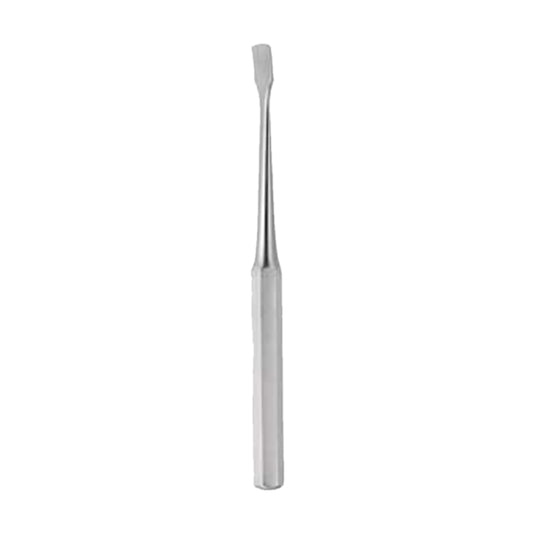
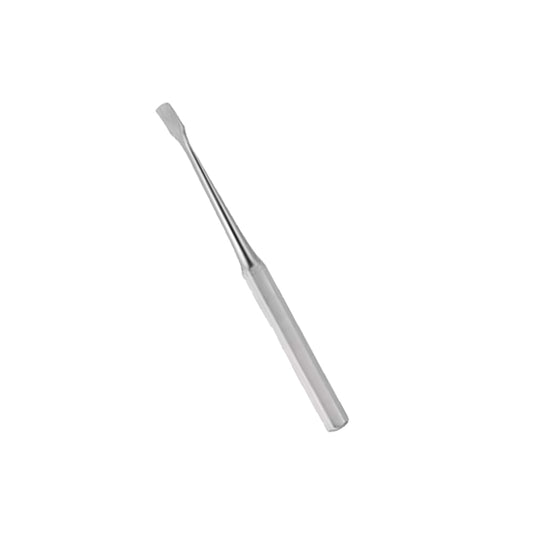
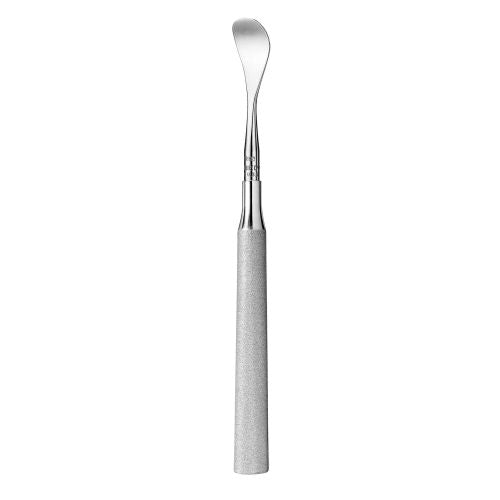
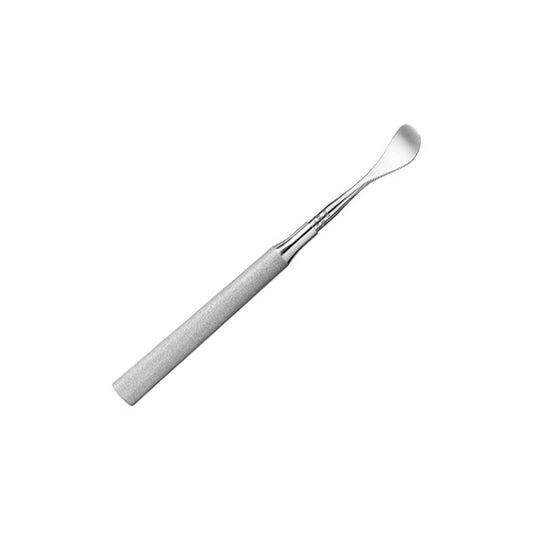
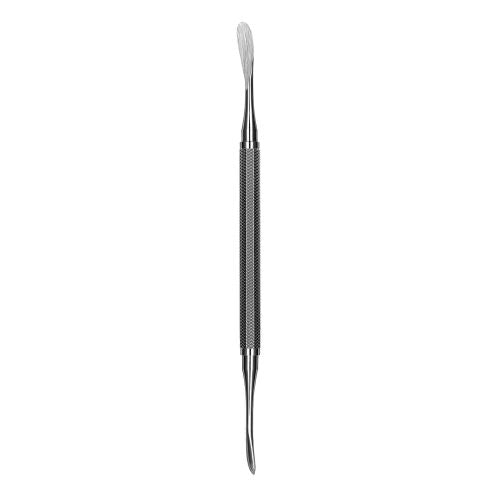
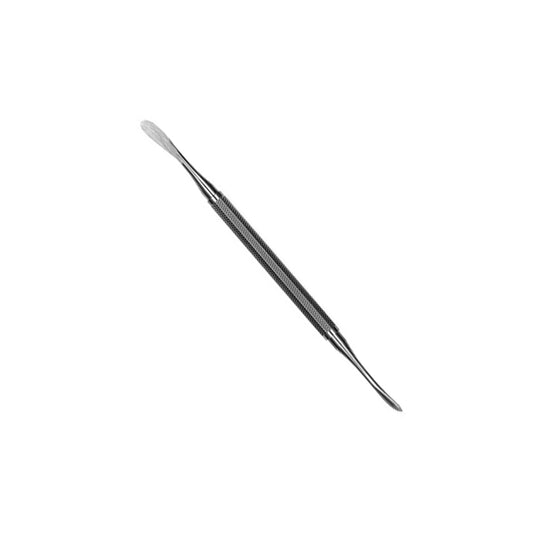
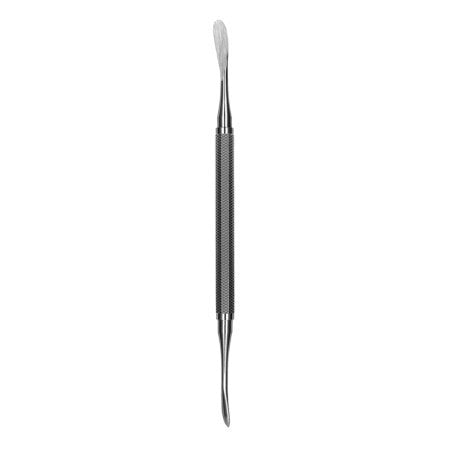
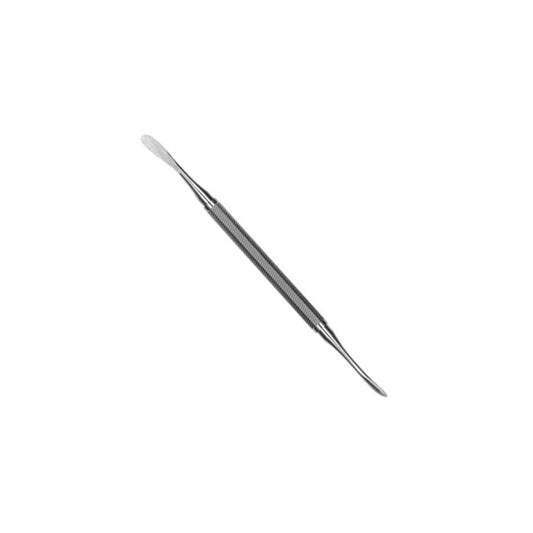
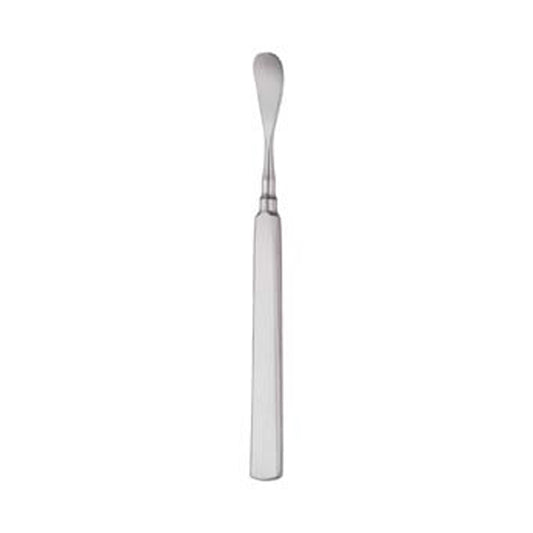
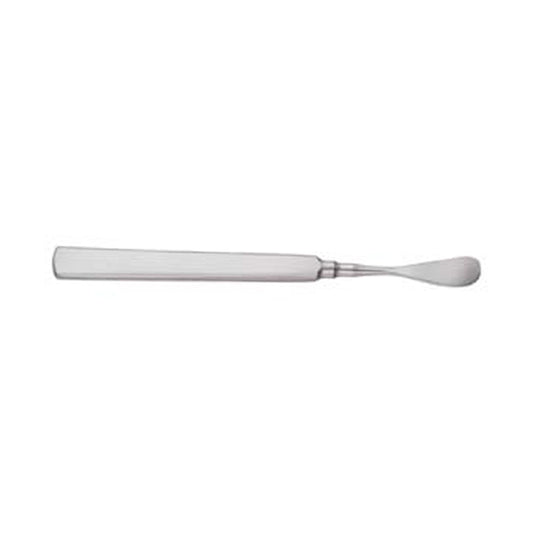
Periosteal elevators and raspatories are hand instruments used to strip and lift the periosteum — the membrane covering bone — away from the bone surface, creating the working space a surgeon needs before cutting, plating, or otherwise accessing bone during orthopedic surgery. The two terms are largely interchangeable in practice: "raspatory" is the more traditional term for elevators with a slightly curved, rasp-like working edge suited to controlled periosteal stripping, while "elevator" is the broader modern term covering the same function across flat, curved, and angled blade designs.
Types of Elevators in This Collection
The Freer Periosteal Elevator is the most widely recognized general-purpose pattern, with a double-ended blade suited to fine periosteal work across multiple specialties. The Molt Periosteal Elevator and Langenbeck Elevator are standard choices for broader bone exposure, while the Cobb Elevator — with its longer, semi-sharp blade — is built specifically for spine and larger bone-exposure work. The Adson, Williger, Sayre, Carroll, and Stiller elevators round out the range with variations in blade width, curve, and sharpness suited to different exposure needs.
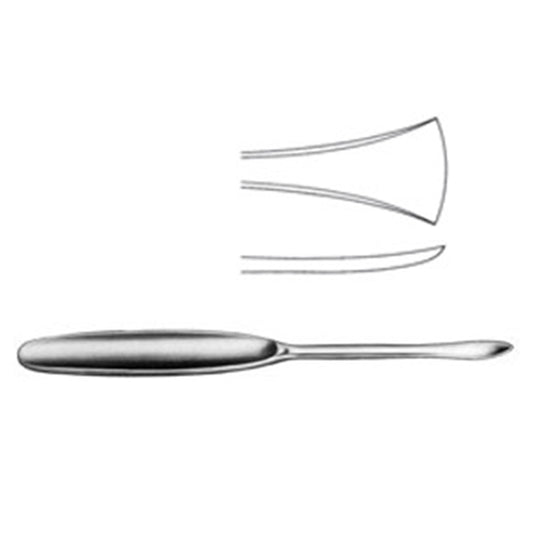
For raspatory-specific searches, this collection includes the Hylin, Lambotte, and Key raspatories — each a sharp, light-curve pattern in the 14.5–21cm range, designed for controlled bone surface stripping rather than broad periosteal lifting.
Choosing the Right Instrument
Selection generally comes down to exposure size and bone location: a Freer or Molt elevator suits fine, precise periosteal work; a Cobb elevator is the standard choice for spinal exposure; and a Hylin, Lambotte, or Key raspatory is better suited when a sharper, more controlled stripping action is needed on a curved bone surface.
Related Instruments
Once periosteum is elevated, most procedures move to instruments in our Bone Curettes and Scoops or Bone Retractors and Levers collections to hold the exposure open. Note that a rasp, despite the naming similarity, is a different instrument used for shaping bone surfaces rather than lifting periosteum — see our separate Bone Files and Rasps collection for that instrument type. For bone-cutting steps following exposure, browse Osteotomes & Chisels.
Frequently Asked Questions
What's the difference between a periosteal elevator and a raspatory?
They serve the same function — stripping periosteum from bone — but a raspatory traditionally refers to a curved, rasp-edged pattern used for more controlled surface stripping, while "elevator" is the broader term covering flat, curved, and angled designs alike.
What is a Freer elevator used for?
A Freer elevator is a double-ended periosteal elevator used for fine, precise periosteal and soft-tissue stripping, widely used across orthopedic, plastic, and ENT surgery.
Is a rasp the same as a raspatory?
No. Despite the similar name, a rasp is used to shape and smooth a bone surface, while a raspatory (or periosteal elevator) is used to lift and strip periosteum away from bone before further work.
What elevator is used for spinal exposure?
A Cobb elevator, with its longer blade and semi-sharp edge, is the standard instrument for spinal and larger bone-exposure procedures.
Why are Cottle elevators listed in an orthopedic collection?
Cottle elevators are primarily ENT/rhinology instruments used for nasal septum work; they're included here as a crossover item rather than a strictly orthopedic pattern.