Dein Warenkorb ist leer
Weiter shoppenHast du ein Konto?
Logge dich ein, damit es beim Checkout schneller geht.

Ausgewählte Kollektion
Dein Warenkorb
Dein Warenkorb ist leer
Weiter shoppenHast du ein Konto?
Logge dich ein, damit es beim Checkout schneller geht.
Ausgewählte Kollektion

PEAK SURGICALS
SKU:AI-SNF-LR-2020
Verfügbarkeit für Abholungen konnte nicht geladen werden


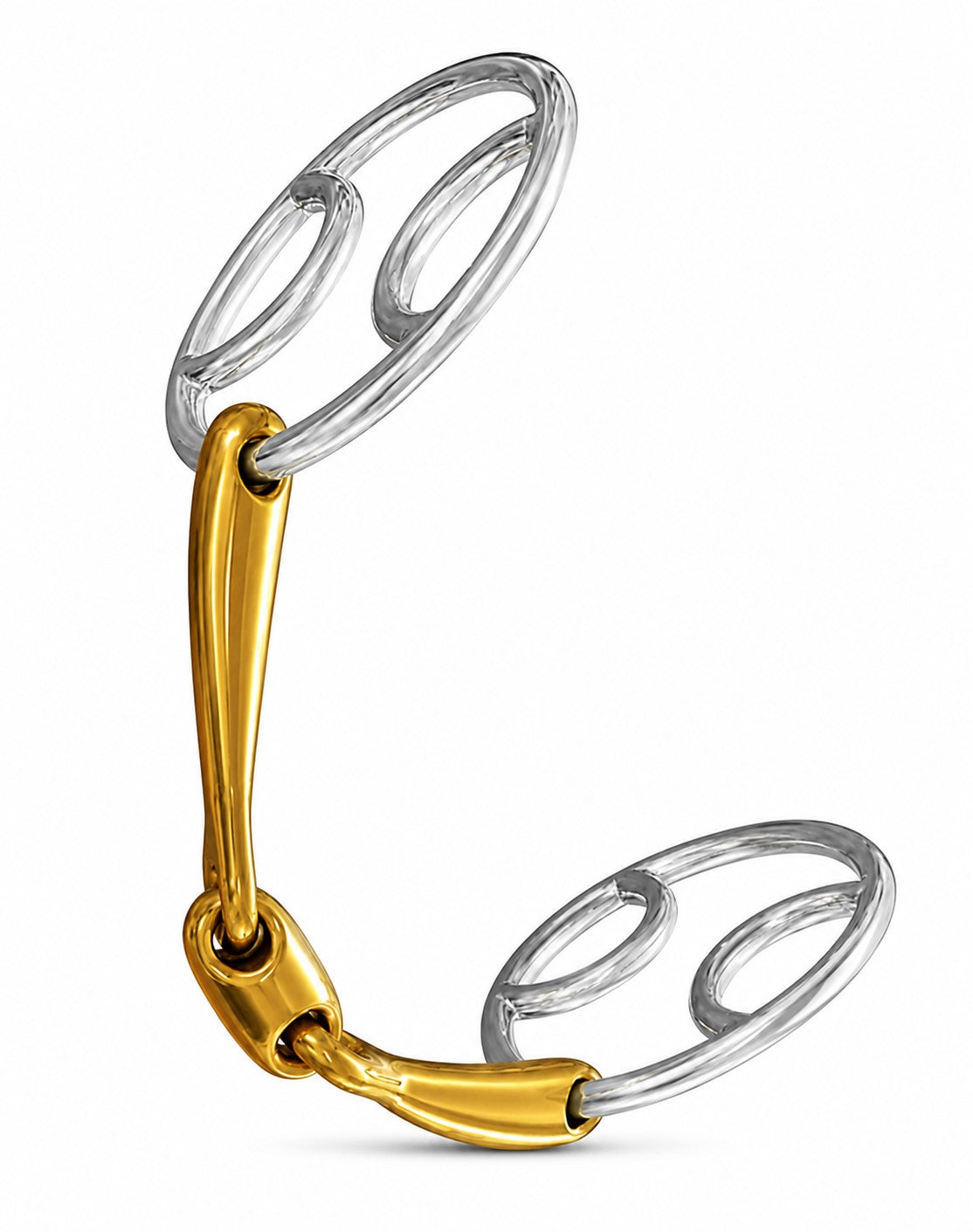
Das Tranz Angled Lozenge Beval, SKU AI-SNF-LR-2020, ist ein wiederverwendbares Reittrensenstück mit einem 10 mm starken, gelenkigen Mundstück, einem abgewinkelten Mittelstück und 45 mm großen Multi-Ring-Beval-Schenkeln für eine kontrollierte Zügelkommunikation. Erhältlich in einem Maulweitenbereich von 107–120 mm, was ungefähr 4,25–4,75 Zoll entspricht, ist diese kompakte Konfiguration für Ponys und Pferde geeignet, die ein schmaleres Mundstückprofil benötigen. Die gebogenen Mundarme folgen dem oralen Raum über Zunge und Laden, während das Gelenk-Mittelstück eine unabhängige Bewegung zwischen jeder Seite ermöglicht und die Druckverteilung im Vergleich zu einem herkömmlichen einfach gebrochenen Snaffle verändert. Die Beval-Schenkel verfügen über mehrere Zügel- und Zaumzeugbefestigungspositionen, die es dem Reiter ermöglichen, das Verhältnis zwischen Zügelkontakt, Mundstückanhebung und Genick-Einfluss zu variieren. Reiter und Ausbilder verwenden dieses Muster für die allgemeine Ausbildung, die Vorbereitung auf Turniere, kontrollierte Wendungen, Abwärtsübergänge, die Aufrechterhaltung einer organisierten Haltung und in Situationen, in denen eine stärkere Führung als mit einem einfachen Lose-Ring-Snaffle erforderlich ist. Die kompakten 45 mm Schenkelproportionen ergänzen den 10 mm Mundstückquerschnitt und machen das Design besonders geeignet für kleinere Pferdemäuler und proportional angepasste Zaumzeuge.
Das 10 mm Mundstück besteht aus zwei gebogenen Armen, die durch ein abgewinkeltes Mittelstück verbunden sind, wodurch eine dreiteilige Gelenkung entsteht, die der Zügelbewegung auf jeder Seite unabhängig folgt. Bei Kontakt liegt der Mittelteil über der Zunge, anstatt den ausgeprägten V-förmigen Verschluss zu erzeugen, der mit einem einfachen einfach gebrochenen Snaffle verbunden ist. Diese Geometrie verteilt den Druck über Zunge, Laden, Lippen und Maulwinkel, während der Reiter klarere laterale Signale beim Wenden und Biegen erzeugen kann. Der 45 mm Beval-Schenkel verwendet separate Befestigungspositionen anstelle eines einzelnen kreisförmigen Rings. Die Zaumzeug-Backenstücke werden am oberen Teil befestigt, während die Zügel je nach gewünschtem Aktionsgrad durch die entsprechende untere Öffnung positioniert werden können. Unter Zügelspannung kann diese Anordnung eine leichte Hebelwirkung erzeugen, die das Anheben des Mundstücks fördert und einen gewissen Genick-Einfluss bewirkt. Die gebogenen Arme helfen, eine konsistente zentrale Position zu halten, und die kompakten Ringe reduzieren unnötige Beschläge um ein kleineres Gesicht. Im Gegensatz zu einer Loose-Ring-Konfiguration, die eine beträchtliche Ringrotation und seitliche Bewegung zulässt, stabilisiert die Beval-Struktur das Mundstück und bietet eine definiertere Beziehung zwischen Handbewegung und Schenkelaktion.
Beim Anpassen wird das Mundstück gleichmäßig zwischen den Lippen positioniert, mit ausreichender Breite, um ein Einklemmen zu verhindern, während übermäßige seitliche Bewegung vermieden wird. Sobald Zaumzeug und Zügel an den Beval-Schenkeln befestigt sind, stellt der Reiter einen leichten, elastischen Kontakt her, bevor er Pferd oder Pony im Schritt, Trab, bei Übergängen, Zirkeln und Richtungswechseln beurteilt. Das abgewinkelte Gelenk ermöglicht es jeder Seite, individuell zu reagieren, wenn ein Zügel für Biegung oder Lenkung verwendet wird, während bilateraler Kontakt das gesamte Mundstück bei halben Paraden und Abwärtsübergängen beeinflusst. Die Multi-Ring-Schenkelanordnung bietet mehr Kontrollmöglichkeiten als ein gewöhnliches Snaffle, wodurch dieser Stil nützlich ist für Ponys, die im Rahmen lang werden, sich organisierten Abwärtsübergängen widersetzen oder klarere Wendungshilfen benötigen. Er wird häufig für das Reiten in der Halle, die Vorbereitung auf Turniere, das allgemeine Reiten und die kontrollierte Dressurarbeit gewählt, wo eine stabile Schenkelpositionierung bevorzugt wird. Eine korrekte Reitertechnik bleibt wichtig, da der Hebeleffekt zunimmt, wenn die Zügel tiefer am Schenkel platziert werden. Der Zügeldruck sollte daher proportional zur Reaktion des Pferdes, der Maulkonformation, dem Trainingsniveau und der Erfahrung sein. Das Gebiss sollte zusammen mit einem passenden Zaumzeug, Zahnkomfort und konsequentem Training beurteilt werden und nicht als Ersatz für korrektes Training dienen.
Diese Konfiguration kombiniert ein schmales 10 mm Mundstück mit kompakten 45 mm Beval-Schenkeln und einem Breitenbereich von 107–120 mm, was ungefähr 4,25–4,75 Zoll entspricht. Der schmalere Maulabschnitt nimmt weniger vertikalen Raum ein als dickere Alternativen, was für Ponys mit begrenztem Raum zwischen Zunge und Gaumen relevant sein kann. Eine Breite von etwa 107 mm oder 4,25 Zoll ist für schmalere Mäuler gedacht, bei denen ein längeres Gebiss unnötig über die Maulwinkel hinausgehen würde. Progressiv breitere Auswahlmöglichkeiten innerhalb des angegebenen Bereichs berücksichtigen breitere orale Messungen, während die gleiche Schenkel- und Mundstückgeometrie beibehalten wird. Das obere Ende bei ungefähr 120 mm oder 4,75 Zoll bietet zusätzliche seitliche Breite, ohne in die Abmessungen zu gelangen, die normalerweise für größere Pferde ausgewählt werden. Der 45 mm Schenkel ist proportional kompakt und hilft, zu große Ringe daran zu hindern, die Seite eines kleineren Kopfes zu dominieren, während die charakteristischen Beval-Befestigungspositionen beibehalten werden. Die Breite sollte durch Messen von einer Seite des Maules zur anderen an der vorgesehenen Gebissposition bestimmt werden. Ein korrekt angepasstes Modell sollte zentriert bleiben, ein Zusammendrücken der Lippen vermeiden und genügend Spielraum für die freie Bewegung des Gelenk-Mittelstücks ohne übermäßige seitliche Verschiebung lassen.
Das Gebiss besteht aus einer Metallkonstruktion mit einem goldfarbenen, gelenkigen Mundstück und polierten silberfarbenen Multi-Ring-Schenkeln, wodurch glatte Kontaktflächen an den Lippen und Befestigungspunkten des Zaumzeugs entstehen. Das zentrale Gelenk-Mittelstück und die angrenzenden Gelenke sollten frei artikulieren, damit die beiden Mundstückarme ohne Blockieren unter Zügelbewegung reagieren können. Nach dem Reiten sollten Speichel, Futterreste, Schmutz und Sand mit sauberem Wasser oder einer geeigneten Putzmethode entfernt und anschließend vor der Lagerung gründlich getrocknet werden. Besondere Aufmerksamkeit sollte dem Mittelgelenk und den Ringschnittstellen gewidmet werden, da angesammelte Rückstände die Bewegung einschränken oder abrasive Ablagerungen verursachen können. Vor jedem Gebrauch sollten Reiter oder Stallpersonal das Mundstück, das Gelenk-Mittelstück, die Schenkelringe, Schweißnähte und Verbindungspunkte auf raue Kanten, Verformungen, übermäßigen Verschleiß oder beschädigte Oberflächen überprüfen. Es handelt sich um wiederverwendbare Reitausrüstung und nicht um ein chirurgisches oder tiermedizinisches Gerät, daher gelten Autoklav-Sterilisation, CE-Kennzeichnung für Medizinprodukte, ISO 13485-Zertifizierung und FDA-Anforderungen für die Beschaffung von Medizinprodukten nicht für den vorgesehenen Verwendungszweck. Kommerzielle Käufer können die SKU AI-SNF-LR-2020 zum angegebenen Preis von 74,00 $ bestellen, wobei der 107–120 mm Bereich als wählbare Shopify-Größenvarianten für Reiter, Reitsportfachhändler, Distributoren und Eigenmarken-Einkaufsprogramme organisiert ist.
| SKU | AI-SNF-LR-2020 |
|---|---|
| Produktname | Tranz Angled Lozenge Beval |
| Preis | 74,00 USD |
| Größen-/Stärkentvarianten | 107–120 mm / ungefähr 4,25–4,75 Zoll |
| Instrumentenkategorie | Reitausrüstung / Pferdetrensen / Beval-Gebisse |
| Anwendung | Allgemeine Ausbildung, Turnier Vorbereitung, Wendungen, Abwärtsübergänge, Dressurarbeit und Zügelkommunikation |
| Material | Metallkonstruktion mit goldfarbenem Mundstück und polierten Metallschenkelringen |
| Finish | Goldfarbener Maulabschnitt mit polierten silberfarbenen Beval-Schenkeln |
| Sterilisation | Medizinische Sterilisation ist nicht erforderlich; nach Gebrauch reinigen und vor der Lagerung gründlich trocknen |
| Instrumentenklassifikation | Wiederverwendbares Reittrensenstück / Zaumzeugkomponente |
| Wiederverwendbar | Ja |
| Zertifizierungen | CE, ISO 13485 und FDA-Anforderungen für Medizinprodukte gelten nicht für dieses Reitsportprodukt |
| Garantie | 1 Jahr |
| Mindestbestellmenge (MOQ) | 1 Stück |
| OEM / kundenspezifische Bestellungen | Für Distributoren und Eigenmarkenbestellungen verfügbar |
| Kundendienst | Rückgabe- und Ersatzunterstützung |
Wie unterscheidet sich das Tranz Angled Lozenge Beval von einem Loose Ring Snaffle?
Das Tranz Angled Lozenge Beval verwendet einen Multi-Positions-Schenkel anstelle eines frei drehbaren, kreisförmigen Rings. Ein Loose Ring Snaffle erlaubt eine größere Bewegung zwischen Mundstück und Schenkel, während die Beval-Konfiguration eine stabilere Befestigungsbeziehung bietet. Seine oberen und unteren Verbindungspositionen können eine leichte Hebelwirkung und Genick-Einfluss bewirken, wenn Zügelkontakt hergestellt wird. Das abgewinkelte Gelenk-Mittelstück erzeugt eine dreiteilige Gelenkung anstelle der zweiteiligen Geometrie eines Standard-Einfachbruch-Snaffles. Diese Anordnung sorgt für eine andere Druckverteilung über Zunge, Laden, Lippen und Maulwinkel. Die Auswahl hängt von den Kontrollanforderungen des Reiters, der Reaktion des Pferdes und dem gewünschten Grad der Schenkelstabilität ab.
Wie sollte der Größenbereich von 107–120 mm ausgewählt werden?
Die korrekte Breite sollte auf einer tatsächlichen Messung des Pferdemauls an der normalen Gebissposition basieren. Das untere Ende um 107 mm oder 4,25 Zoll ist für schmalere Mäuler gedacht. Progressiv breitere Abmessungen innerhalb des Bereichs bieten bei Bedarf zusätzlichen Spielraum. Die obere Spezifikation von 120 mm oder ungefähr 4,75 Zoll passt zu breiteren Mäulern innerhalb dieser kompakten Konfiguration. Eine übermäßige Breite kann unerwünschte seitliche Bewegungen zulassen und die Stabilität der Beval-Schenkel verringern. Eine zu schmale Größe kann die Maulwinkel komprimieren und die komfortable Artikulation des Mittelgelenks beeinträchtigen.
Gelten CE-, ISO 13485- und FDA-Medizinprodukte-Zertifizierungen für dieses Produkt?
Das Tranz Angled Lozenge Beval ist ein Reitsportprodukt und kein medizinisches oder chirurgisches Gerät. Eine CE-Medizinprodukte-Zertifizierung ist daher nicht die geeignete regulatorische Angabe für den vorgesehenen Reitgebrauch. ISO 13485 bezieht sich speziell auf Qualitätsmanagementsysteme für Medizinprodukte und klassifiziert kein Pferdegebiss. Auch die FDA-Registrierung und Beschaffungsanforderungen für Medizinprodukte regeln keine gewöhnlichen Reitsportartikel. Einzelhändler sollten die anwendbaren Produkt-, Sicherheits-, Material-, Kennzeichnungs-, Verbraucher- und Importanforderungen für ihren Verkaufsmarkt beachten. Medizinprodukte-Angaben sollten nicht auf der Shopify-Liste für diesen Artikel platziert werden.
Wie verändert der Multi-Ring-Beval-Schenkel die Zügelwirkung?
Das Zaumzeug-Backenstück wird am oberen Teil des Beval-Ringsystems befestigt, während der Zügel eine untere Befestigungsposition verwendet. Diese Trennung verändert die mechanische Beziehung zwischen Reiterhand, Mundstück und Zaumzeug. Zügelspannung kann das Anheben des Maulabschnitts fördern und gleichzeitig eine leichte Hebelwirkung und einen gewissen Genick-Einfluss bewirken. Der 45 mm Schenkel stabilisiert das Gebiss auch stärker als ein frei beweglicher loser Ring. Das Tranz Angled Lozenge Beval bietet daher zusätzliche Kontrollmöglichkeiten für Wendungen und Abwärtsübergänge. Reiter sollten die Befestigungsposition und den Zügeldruck entsprechend dem Ausbildungsstand, der Reaktion und dem Komfort des Tieres wählen.
Wie sollte dieses Pferdegebiss gereinigt und geprüft werden?
Das Mundstück sollte nach jedem Ritt gespült oder abgewischt werden, um Speichel, Futterpartikel und Schmutz zu entfernen. Das Gelenk-Mittelstück und die Ringverbindungen erfordern besondere Aufmerksamkeit, da sich Rückstände an beweglichen Schnittstellen ansammeln können. Nach der Reinigung sollte das Gebiss getrocknet werden, bevor es wieder in ein Zaumzeug gelegt oder in einem Sattelkammer aufbewahrt wird. Das Gelenk-Mittelstück, die gebogenen Arme, die Schenkelringe, die Verbindungspunkte und die Oberflächenbeschaffenheit sollten routinemäßig auf scharfe Kanten, Verformungen, übermäßigen Verschleiß oder eingeschränkte Bewegung überprüft werden. Das Tranz Angled Lozenge Beval SKU AI-SNF-LR-2020 ist wiederverwendbar und erfordert keine Krankenhaus-Autoklav-Aufbereitung. Einzelhändler können den Größenbereich von 107–120 mm als wählbare Varianten unter dem gleichen Produktangebot von 74,00 $ verwalten.


