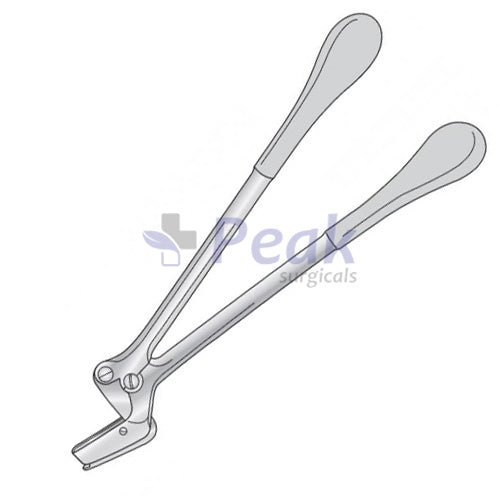
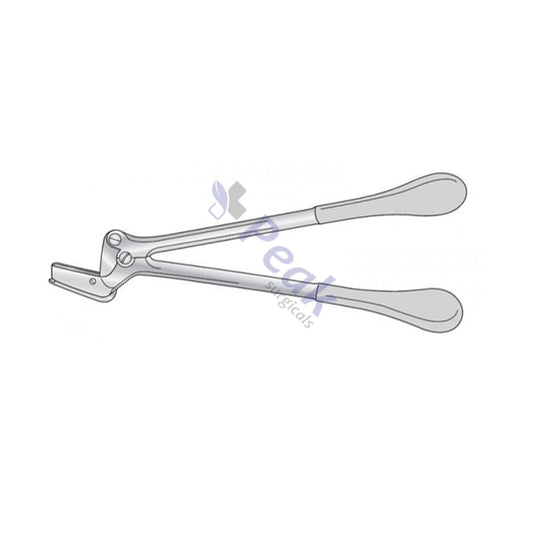
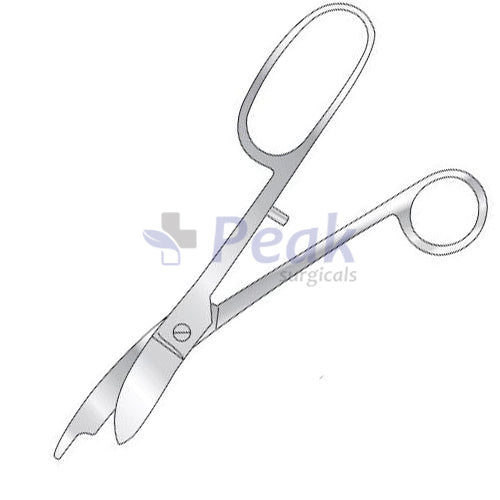
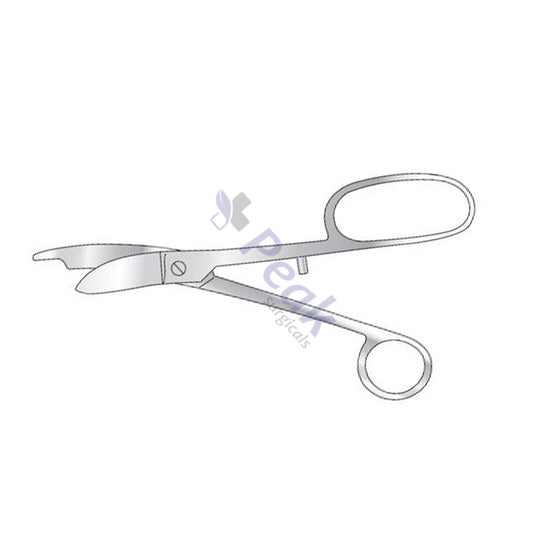
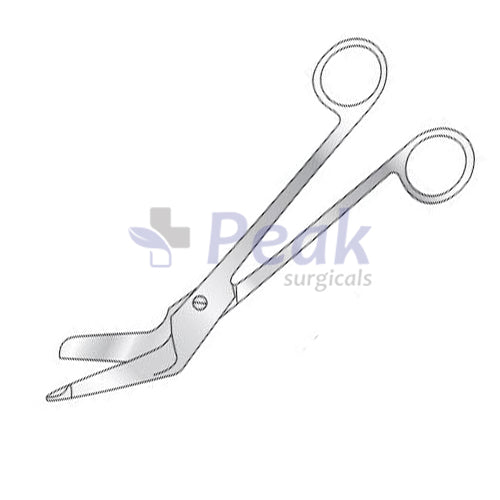
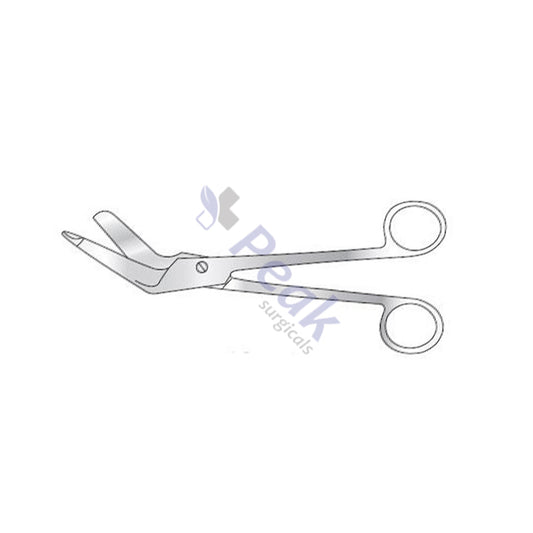
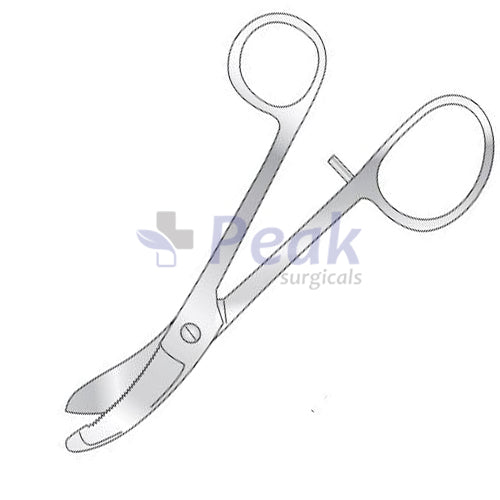
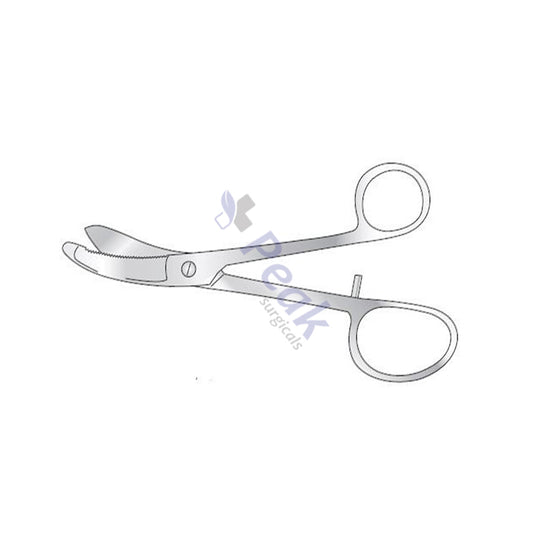
Ortopediska saxar klipper genom hårt gips och glasfibergips utan att överföra kraften till den underliggande kroppsdelen. Peak Surgicals levererar fyra modeller, Bohler, Guys, Swedish och excentrisk, i tyskt rostfritt stål, från 18,70 $ till 82,50 $, var och en med ett modellnummer. Varje modell är CE-märkt och tillverkad enligt ISO 13485. Jämför alla modeller i tabellen nedan.
Vilken gipssax för vilket gips?
Bohler gipssax (27,50 $) är den allmänna modellen för standardgipsförband, Guys sax (22,00 $) hanterar rutinmässig klippning till lägsta pris, den excentriska modellen (18,70 $) förskjuter pivoten för hävstångseffekt på tätt material, och den svenska modellen (82,50 $) har den kraftigaste konstruktionen för tjocka gips- eller glasfiberförband. Gipsets tjocklek och material avgör valet före handtagspreferensen.
Bohler gipssax (PS-BPS-00302, 27,50 $) är den modell som de flesta ortopediska avdelningar använder som standard, med tillräcklig mekanisk fördel för rutinmässig gipshantering utan att vara lika klumpig som en tung sax. Guys gipssax (PS-GPS-00305, 22,00 $), även katalogiserad som Bruns-modellen, utför samma arbete. Excentrisk gipssax (PS-EPS-00304, 18,70 $) flyttar pivotpunkten utanför centrum, vilket ändrar hävstångskurvan så att mer kraft når bladet i början av snittet. Svenska gipssaxar (PS-SPPS-00306, 82,50 $) ligger i toppskiktet där gipsmaterialet är tjockt, förstärkt eller syntetiskt. Vi levererar alla modeller vid minsta beställningskvantitet (MOQ)
Blad, pivot och plattformen mot huden
Den viktigaste egenskapen hos en gipssax är den som köparna sällan frågar om: det nedre bladet har en förstärkt platt plattform som glider mellan gips och extremitet. Denna plattform är vänd mot huden, fördelar kontakttrycket och ser till att skäreggen arbetar mot gipset snarare än mot patienten. En sax utan denna är en kraftig sax, inte ett gipsinstrument.
Pivotpositionen bestämmer hävstången. En konventionell pivot ger en konsekvent mekanisk fördel under hela rörelsen; en excentrisk pivot förladdar den, vilket hjälper där det första bettet i det härdade gipset är den svåraste delen av snittet. Bladets egggeometri är den tredje variabeln, slitstarka eggar håller genom upprepade snitt mot ett slipande material som snabbt slöar vanligt saxstål.
Handtagets stil följer av den kraft som krävs. Tånghandtag gör att hela handen kan stängas snarare än bara två fingrar, vilket är anledningen till att tyngre modeller använder dem. För det bredare sortimentet för gipsrum, inklusive sågar, spridare och bockare, se vår gipssaxar kollektion.
Återbehandling, korrosion och certifiering
Gipsrester är det specifika problemet vid återbehandling av dessa instrument. Härdat gips packar sig i pivoten och hårdnar där, vilket styvar upp mekanismen under cykler. Rengör leden innan den torkar snarare än efter, och ultraljudsrengör före autoklavering. Korrosionsbeständighet är viktigare här än på de flesta ortopediska instrument eftersom gipsrester binder fukt mot stålet; tyskt rostfritt stål är materiallösningen, och att torka pivoten efter varje cykel är den procedurmässiga.
Inspektera skäreggen och gångjärnet tillsammans. Ett trögt eller skärande gångjärn innebär att pivoten behöver uppmärksamhet, och hackiga blad river gipsmaterial istället för att skära det, vilket överför mer rörelse till extremiteten. Varje instrument är klass I, återanvändbart, CE-märkt och byggt enligt ISO 13485. Garantin är ett år med retur och ersättning, MOQ är 1 stycke, beställningar över 99 $ skickas gratis i kartongförpackning, och OEM-märkning är tillgänglig. För bröstmodeller se revbenssaxar; bläddra bland alla ortopediska instrument. Prata med oss om OEM och volymvillkor.