
المجموعة المميّزة
Your cart
المجموعة المميّزة

PEAK SURGICALS
رمز التخزين التعريفي:PI-020
تعذّر تحميل توفر الاستلام


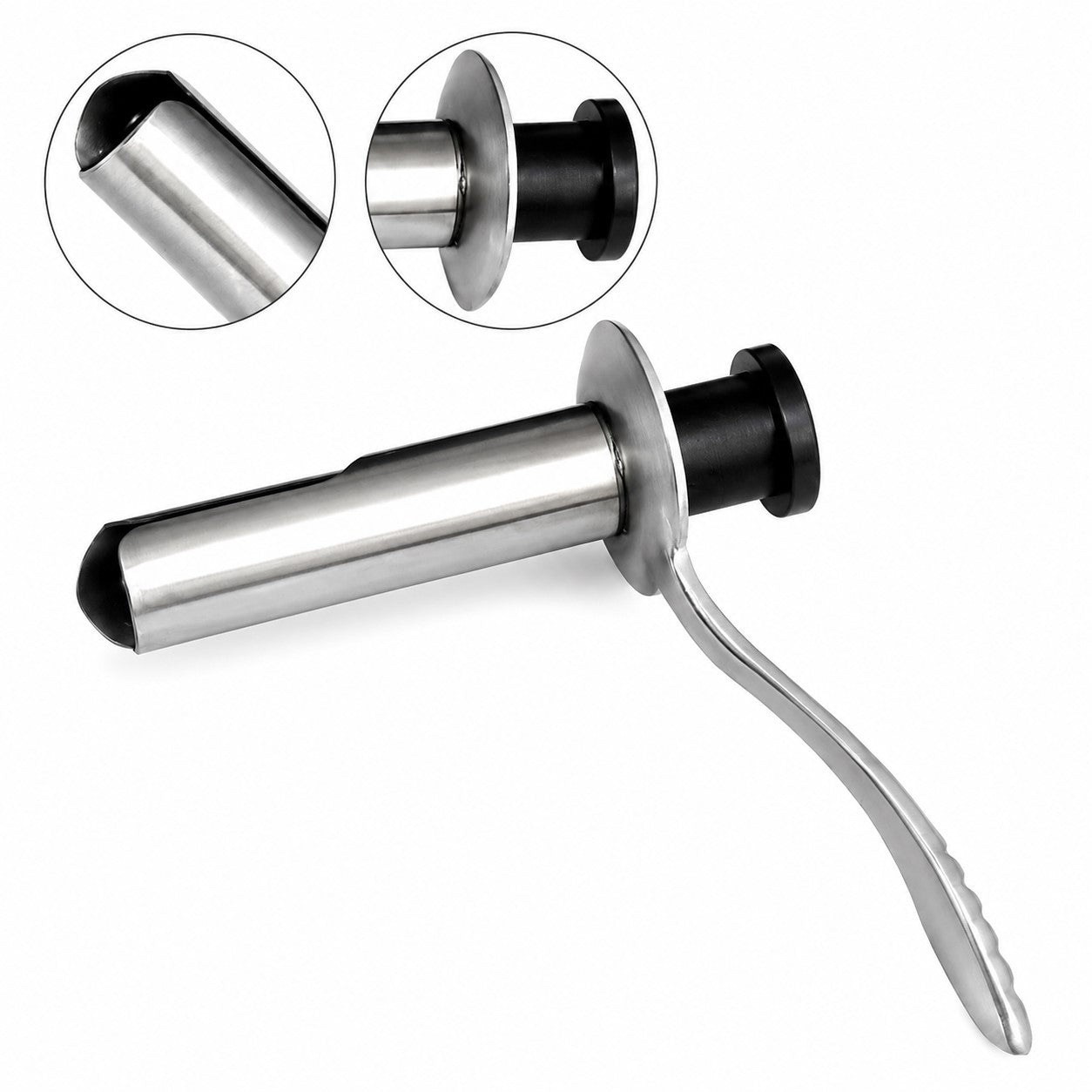
منظار الشرج Fansler-Ives، رمز المنتج (SKU) PI-020، هو أداة طبية يدوية قابلة لإعادة الاستخدام في مجال أمراض الشرج والمستقيم، مصنوعة من الفولاذ المقاوم للصدأ الألماني لتوفير وصول محكوم إلى القناة الشرجية والجزء السفلي من المستقيم. يبلغ طول هذا النموذج 3 1/4 بوصة (83 مم) بقطر خارجي قدره 1 1/8 بوصة (28 مم)، ويأتي مزوداً بسدادة (مُسد) مستديرة قابلة للإزالة تعمل على إغلاق الفتحة البعيدة أثناء الإدخال. يحافظ الهيكل الأنبوبي على ممر رؤية ثابت بعد سحب السدادة، بينما يوفر المقبض الجانبي للمستخدم قوة دفع للثبات، والتدوير، والسحب المرحلي. يسمح تصميمه المفتوح من الطرف البعيد بالفحص المباشر للبواسير، وحواف الشقوق الشرجية، وفتحات النواسير، والأنسجة بعد العمليات الجراحية، والغشاء المخاطي للمستقيم السفلي. يستخدم جراحو القولون والمستقيم، والجراحون العامون، وأخصائيو أمراض الشرج والمستقيم، وفرق إجراءات الجهاز الهضمي هذا التكوين أثناء منظار الشرج (Anoscopy)، ومنظار المستقيم (Proctoscopy)، وتقييم البواسير الداخلية، وتقييم الشقوق الشرجية، وفحص النواسير، وتقييم نزيف المستقيم السفلي، والوصول لأخذ الخزعات الموجهة، والمراجعة بعد العمليات الجراحية لاستئصال البواسير، أو بضع الناسور، أو جراحات الشقوق، أو الإجراءات الشرجية والمستقيمية الموضعية. الأداة مناسبة لعيادات القولون والمستقيم، ومراكز جراحة اليوم الواحد، وغرف العمليات، وأجنحة الإجراءات بالمستشفيات التي تتطلب استخدام منظار مستقيم صلب قابل لإعادة الاستخدام مع إدخال موجه بالسدادة.
يعمل نموذج Fansler-Ives من خلال أنبوب صلب قصير بدلاً من شفرات قابلة للتوسع. قبل الإدخال، توضع السدادة المستديرة داخل الأسطوانة بحيث تغطي الفتحة البعيدة بملف جانبي أملس. تقلل هذه الهندسة من احتمالية دخول الغشاء المخاطي إلى الأنبوب أو احتكاكه بالحافة المعدنية أثناء مرور الأداة عبر القناة الشرجية. بمجرد الوصول إلى العمق المطلوب، يتم سحب السدادة ويصبح التجويف قناة مفتوحة للرؤية المباشرة، أو المسح، أو الشفط، أو تمرير أدوات الخزعة الرفيعة. يحافظ الجدار الأسطواني على فصل موضعي لأنسجة الشرج والمستقيم دون الحاجة إلى آلية سقاطة، أو برغي توسيع، أو شفرة ذاتية التثبيت. تعمل الحافة القريبة العريضة كمرجع خارجي للعمق وتساعد في الحفاظ على فتحة الدخول في متناول اليد أثناء الفحص. يبرز المقبض الجانبي بعيداً عن محور الرؤية، مما يسمح للجراح بتدوير الأداة نحو الربع المستهدف، وتثبيتها أثناء الفحص، وسحبها بزيادات محكومة. يوفر القطر الخارجي البالغ 28 مم مجال رؤية أوسع من مناظير الشرج الضيقة، بينما يحافظ الطول البالغ 83 مم على ممر العمل مدمجاً. وبشكل جماعي، تشكل السدادة، والأنبوب الثابت، والحافة، والمقبض نظاماً يدوياً بسيطاً للرؤية الشرجية والمستقيمية المركزة والتدخلات الطفيفة.
للفحص الروتيني للشرج والمستقيم، يتم إدخال المنظار المشحم مع تثبيت السدادة بالكامل حتى يصل الطرف البعيد إلى المستوى المطلوب. ثم تتم إزالة السدادة ويقوم الجراح بفحص القناة الشرجية، ومنطقة الخط المسنن، وأعمدة البواسير، والغشاء المخاطي السفلي للمستقيم الذي يمكن الوصول إليه، مع تدوير الأنبوب وسحبه على مراحل. أثناء تقييم البواسير الداخلية، يسمح التجويف الثابت بالتقييم المباشر للهبوط، والاحتقان الوعائي، والقابلية للنزف، والتقرح، والنزيف الحديث. بالنسبة لفحص الشق الشرجي، يمكن توجيه الأسطوانة نحو الجدار المصاب بحيث تصبح قاعدة الشق، والأنسجة الحارسة، والغشاء المخاطي المجاور مرئية دون الحاجة إلى سحب يدوي متكرر. في فحص النواسير، يمكن أن يساعد هذا التعريض في تحديد الفتحة الداخلية قبل الجس أو العلاج النهائي. يمكن تقييم نزيف المستقيم السفلي للكشف عن المصادر البواسيرية، أو الرضية، أو ما بعد الجراحة، أو الالتهابية، أو البؤر المخاطية المرئية ضمن نطاق العمل. يمكن تمرير مسحة متوافقة أو ملقط خزعة رفيع عبر التجويف عند الحاجة إلى أخذ عينات موجهة. بعد استئصال البواسير، أو بضع الناسور، أو جراحة الشق، أو علاج الآفات الموضعية، يمكن لنموذج Fansler-Ives أيضاً دعم الفحص بعد العمليات الجراحية للكشف عن النزيف المستمر، أو تكوين الندبات، أو التضيق، أو تأخر الشفاء، أو تكرار أمراض الشرج والمستقيم.
تستخدم هذه القائمة تكويناً قياسياً بطول 3 1/4 بوصة وقطر خارجي 1 1/8 بوصة، أي ما يعادل تقريباً 83 × 28 مم. يوفر طول الأنبوب البالغ 83 مم وصولاً أكبر من مناظير الشرج القصيرة جداً مع البقاء مدمجاً بما يكفي للفحص الروتيني للقناة الشرجية والمستقيم السفلي. يخلق قطره الخارجي البالغ 28 مم ممر رؤية جوهرياً لتقييم البالغين وتوفير مساحة للشفط، أو المسحات، أو أدوات الخزعة الرفيعة المتوافقة بعد إزالة السدادة. السدادة المستديرة هي مكون الإدخال ويجب أن تظل مثبتة أثناء مرور الأداة عبر فتحة الشرج حتى لا تخدش الحافة البعيدة المفتوحة الغشاء المخاطي. جسم الأنبوب هو مكون التعريض، حيث يحافظ على مجال دائري ثابت بعد التموضع. توفر الحافة القريبة المرجع الخارجي للعمق والتوجيه، بينما يوفر المقبض الجانبي التحكم في الدوران أثناء الفحص ربعاً تلو الآخر. على عكس الأنظمة متعددة الأحجام، يتم توفير هذا المنتج بهندسة محددة واحدة، لذا يعتمد الاختيار على الحاجة السريرية لطول عمل 83 مم وقطر خارجي 28 مم بدلاً من الاختيار بين بدائل العيار. إنه الأكثر ملاءمة لسير عمل أمراض الشرج والمستقيم للبالغين التي تتطلب قناة رؤية صلبة وموجهة بالسدادة بدلاً من التوسيع الميكانيكي باستخدام منظار ذي شفرتين أو ثلاث شفرات.
يوفر الفولاذ المقاوم للصدأ الألماني الصلابة الهيكلية اللازمة للحفاظ على هندسة الأنبوب أثناء الإدخال المتكرر، والتدوير، والتنظيف، والتعقيم، مع دعم مقاومة التآكل في عمليات إعادة المعالجة بالمستشفيات. يخلق التشطيب المصقول أسطحاً ملساء تلامس المريض وأسطحاً داخلية تقلل الاحتكاك أثناء الإدخال وتسهل إزالة الدم، والمخاط، والمزلق، وبقايا الأنسجة بعد الاستخدام. تبدأ إعادة المعالجة بفصل السدادة عن جسم المنظار، متبوعة بتنظيف دقيق للتجويف، والحافة البعيدة، والحافة القريبة، وموصل المقبض، وأسطح السدادة. يجب تنظيف القناة بالفرشاة وشطفها، ثم شطف جميع المكونات وتجفيفها تماماً وفحصها بحثاً عن أي بقايا عالقة، أو خشونة، أو تشوه، أو تغير في الملاءمة قبل التغليف. يمكن بعد ذلك إخضاع المكونات القابلة لإعادة الاستخدام المصنوعة من الفولاذ المقاوم للصدأ لدورة تعقيم بالبخار (أوتوكلاف) معتمدة ومناسبة للجهاز وبروتوكول التعقيم في المنشأة. تدعم علامة CE وثائق المطابقة المعمول بها لأسواق الأجهزة الطبية الخاضعة للتنظيم، بينما يحدد معيار ISO 13485 إطار إدارة الجودة الذي يحكم التصنيع الخاضع للرقابة، والتتبع، والتوثيق. بالنسبة للمشتريات في الولايات المتحدة، تتطلب المشتريات المتوافقة مع إدارة الغذاء والدواء (FDA) سجلات المنشأة، والجهاز، والملصقات، والاستيراد، والمورد ذات الصلة بالمعاملة. تدعم شركة Peak Surgicals الطلبات المؤسسية بضمان لمدة عام واحد، والحد الأدنى للطلب بقطعة واحدة، والتوريد للعلامات التجارية الخاصة (OEM)، وخدمة الإرجاع أو الاستبدال بعد البيع.
| رمز المنتج (SKU) | PI-020 |
|---|---|
| اسم المنتج | منظار المستقيم Fansler-Ives |
| السعر | 34.80 دولار أمريكي |
| متغيرات الحجم/القياس | طول 3 1/4 بوصة (83 مم) × قطر خارجي 1 1/8 بوصة (28 مم) |
| فئة الأداة | أدوات أمراض الشرج والمستقيم / مناظير المستقيم والشرج |
| الإجراء | منظار الشرج، منظار المستقيم، تقييم البواسير الداخلية، فحص الشق الشرجي، تقييم الناسور، تقييم نزيف المستقيم السفلي، الوصول لأخذ الخزعة والمراجعة بعد العمليات |
| المادة | فولاذ مقاوم للصدأ ألماني |
| التشطيب | تشطيب فولاذ مقاوم للصدأ مصقول |
| التعقيم | قابل لإعادة الاستخدام ومتوافق مع معالجة التعقيم بالبخار المعتمدة |
| تصنيف الأداة | منظار مستقيم يدوي قابل لإعادة الاستخدام مع سدادة قابلة للإزالة |
| قابل لإعادة الاستخدام | نعم |
| الشهادات | علامة CE، نظام الجودة ISO 13485، وثائق شراء متوافقة مع إدارة الغذاء والدواء (FDA) |
| الضمان | سنة واحدة |
| الحد الأدنى للطلب (MOQ) | قطعة واحدة |
| طلبات OEM / المخصصة | متاحة للمستشفيات، والموزعين، والمشتريات ذات العلامات التجارية الخاصة |
| خدمة ما بعد البيع | دعم الإرجاع والاستبدال |
بماذا يختلف منظار المستقيم Fansler-Ives عن منظار الشرج Hirschman؟ يستخدم منظار المستقيم Fansler-Ives قطراً خارجياً يبلغ 28 مم وأنبوباً بطول 83 مم لتوفير ممر رؤية ثابت وعريض نسبياً. يتوفر منظار الشرج Hirschman بقطر أضيق وتكوينات مختلفة للطول والشطب (الزاوية) لفحص أكثر تركيزاً للقناة الشرجية. يستخدم كلا التصميمين نهج الإدخال الموجه بالسدادة بدلاً من الشفرات التي تتوسع ميكانيكياً. يتم اختيار نموذج Fansler-Ives عندما يرغب الطبيب في الحصول على مجال أنبوبي أوسع ووصول مدمج إلى المستقيم السفلي. توفر موديلات Hirschman مرونة أكبر في مطابقة قطر الأنبوب، وطول العمل، وهندسة الشطب مع التشريح المستهدف. لذا يعتمد الاختيار على عيار التجويف المطلوب، وعمق الفحص، ومقدار التعريض المباشر للجدار المطلوب.
لماذا يتم اختيار تكوين Fansler-Ives بمقاس 83 × 28 مم؟ يوفر الطول البالغ 83 مم وصولاً كافياً للقناة الشرجية والمستقيم السفلي القابل للوصول، مع بقائه أقصر من مناظير المستقيم الصلبة الطويلة. يخلق القطر الخارجي البالغ 28 مم ممر عمل أوسع لفحص البالغين وتمرير المسحات، أو رؤوس الشفط، أو أدوات الخزعة الرفيعة المتوافقة. هذا الحجم مفيد أثناء تقييم البواسير الداخلية، وتقييم الشقوق، وفحص النواسير، وفحص المستقيم السفلي حيث تكون الرؤية المباشرة الأوسع مطلوبة. يمكن اختيار منظار شرج أضيق عندما يكون العيار المنخفض مفضلاً سريرياً، بينما يتم اختيار منظار مستقيم أطول عندما يكون الوصول إلى المستقيم القريب مطلوباً. وبالتالي يحتل منظار المستقيم Fansler-Ives موقعاً وسطاً بين مناظير الشرج الضيقة والمدمجة ومناظير المستقيم الصلبة الطويلة. يجب أن يعكس الاختيار العمق المخطط له، وتشريح المريض، ومقدار الوصول الملحق المطلوب.
ماذا تعني متطلبات CE و ISO 13485 و FDA بالنسبة للمشتريات؟ يتم توفير منظار المستقيم Fansler-Ives ضمن إطار مشتريات Peak Surgicals المتوافق مع CE و ISO 13485. تدعم علامة CE وثائق المطابقة المعمول بها لأسواق الأجهزة الطبية الخاضعة للتنظيم. يحدد ISO 13485 نظام إدارة الجودة الذي يحكم التصنيع الخاضع للرقابة، والتتبع، والتوثيق، وعمليات الموردين. يتعلق سياق مشتريات إدارة الغذاء والدواء (FDA) للمشترين في الولايات المتحدة بسجلات المنشأة، والجهاز، والملصقات، والاستيراد، والتوزيع ذات الصلة بالمعاملة. يجب على المستشفيات والموزعين الاحتفاظ بهذه الوثائق ضمن ملفات تأهيل الموردين، والمشتريات، والتدقيق. تعالج هذه الأطر التنظيمية وظائف امتثال متميزة ويجب مراجعتها بشكل منفصل أثناء المصادر المؤسسية.
كيف يتم استخدام السدادة المستديرة والمقبض الجانبي أثناء الإجراء؟ يتم وضع السدادة المستديرة داخل الأنبوب قبل الإدخال حتى لا تقود الحافة البعيدة المفتوحة مباشرة ضد الغشاء المخاطي للشرج والمستقيم. بمجرد وصول منظار المستقيم Fansler-Ives إلى العمق المقصود، تتم إزالة السدادة لكشف التجويف للرؤية المباشرة وتمرير الأدوات المساعدة. يوفر المقبض الجانبي بعد ذلك قوة دفع للثبات، والدوران المحكوم، والسحب خطوة بخطوة. تسمح الحركة الدورانية للطبيب بفحص أرباع الغشاء المخاطي المختلفة دون الحاجة إلى إزالة الجهاز وإعادة إدخاله بشكل متكرر. تظل الحافة القريبة خارج القناة كمرجع للعمق والتوجيه. لا توجد سقاطة أو قفل توسيع لأن التعريض يتم إنتاجه بواسطة التجويف الأسطواني الثابت بدلاً من نظام توسيع ميكانيكي.
كيف يجب على المستشفيات تنظيف وتعقيم منظار المستقيم Fansler-Ives؟ يجب أن تدخل الأداة في مسار معالجة معتمد للأجهزة القابلة لإعادة الاستخدام مباشرة بعد الاستخدام. يجب فصل السدادة بحيث يمكن تنظيف التجويف، والحافة البعيدة، والحافة القريبة، وموصل المقبض، ومكون الإدخال بدقة. يجب إزالة الدم، والمخاط، والمزلق، وبقايا الأنسجة قبل تنظيف القناة بالفرشاة وشطفها، متبوعاً بالشطف والتجفيف الكامل. يجب على الموظفين فحص الأنبوب بحثاً عن التشوه، والحواف الخشنة، والتآكل، وملاءمة السدادة الصحيحة قبل التغليف. يمكن بعد ذلك إخضاع المكونات القابلة لإعادة الاستخدام المصنوعة من الفولاذ المقاوم للصدأ لدورة تعقيم بالبخار معتمدة ومناسبة للجهاز وبروتوكول التعقيم في المستشفى. يجب على فرق المشتريات الاحتفاظ برمز المنتج PI-016، ووثائق الضمان، وسجلات الشهادات، ومعلومات المورد، وتاريخ الخدمة لإدارة المخزون القابلة للتتبع.


