O seu carrinho está vazio
Continuar a comprarTem uma conta?
Inicie sessão para finalizar a compra mais rápido.

Coleção em destaque
O seu carrinho
O seu carrinho está vazio
Continuar a comprarTem uma conta?
Inicie sessão para finalizar a compra mais rápido.
Coleção em destaque

PEAK SURGICALS
SKU:
Não foi possível carregar a disponibilidade de recolha


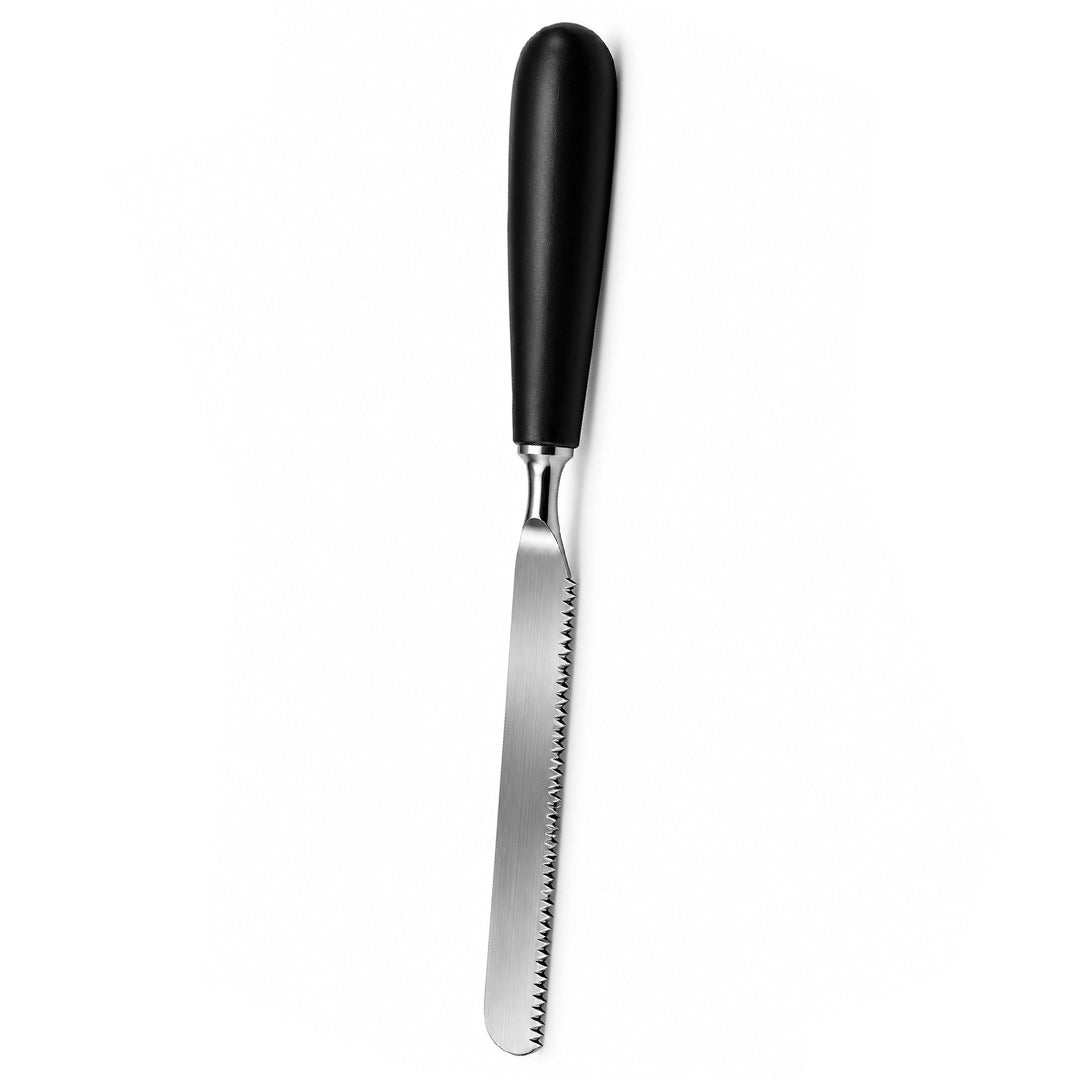
The Autopsy Metacarpal Bone Saw 24.1cm is a manual bone-cutting instrument designed for post-mortem examinations, anatomical dissection and forensic pathology procedures. It features a straight, fine-toothed stainless steel blade with a rounded distal profile and an elongated black handle. The compact cutting configuration supports controlled sectioning of smaller bony structures during detailed skeletal examination and specimen preparation.
The narrow serrated cutting edge is designed for controlled bone sectioning during anatomical and post-mortem procedures. Its straight blade geometry supports repeated manual cutting strokes, while the closely spaced teeth engage the bone surface during sawing. The compact blade profile is suitable for detailed dissection work involving smaller skeletal structures, including metacarpal and phalangeal bones.
The instrument features a rounded black handle attached to a metallic blade through a narrow connecting section. This construction provides a defined handgrip for controlled sawing movements. The elongated handle allows the operator to guide the blade during precise bone sectioning without requiring a powered cutting system. The smooth exterior also permits visual inspection for damage and surface contamination.
Metacarpal saws are used during post-mortem skeletal examination, small-bone dissection and preparation of osseous specimens for anatomical investigation. Their compact working profile allows pathologists and anatomical dissection professionals to section smaller bones where a full-size amputation or Satterlee saw would be less suitable. The instrument is intended for professional forensic pathology, mortuary and anatomical laboratory applications.
| Specification | Details |
|---|---|
| Product Name | Bone Cutting Autopsy Metacarpal Saw |
| Instrument Type | Manual Bone Cutting Saw |
| Pattern | Autopsy Metacarpal |
| Overall Length | 24.1cm (9.5 Inches) |
| Blade Design | Straight Fine-Toothed Serrated Blade |
| Blade Profile | Narrow with Rounded Distal End |
| Blade Material | Stainless Steel |
| Handle Design | Rounded Black Handle |
| Operation | Manual |
| Quantity | 1 Piece |
| Primary Application | Bone Sectioning During Autopsy |
| Specialty | Post Mortem / Forensic Pathology |
| Instrument Category | Post Mortem Bone Saws |
| Brand | PEAK SURGICALS |
Inspect the serrated cutting edge and blade-to-handle connection before use. After post-mortem procedures, remove biological residue and clean the instrument according to the manufacturer's reprocessing instructions and the facility's approved decontamination protocols. Examine the saw teeth for bending, wear or damage. Protect the cutting edge during storage and confirm that the handle material is compatible with the selected cleaning and sterilization process.
What is an Autopsy Metacarpal Saw used for?
It is used for controlled sectioning of smaller bony structures during post-mortem examination, anatomical dissection and forensic specimen preparation.
How does a metacarpal saw differ from a Satterlee bone saw?
A metacarpal saw has a compact blade intended for detailed bone sectioning. A Satterlee saw generally uses a larger frame and longer blade for cutting broader or thicker skeletal structures.
Why does the instrument have a fine-toothed blade?
Closely spaced saw teeth provide a cutting profile suited to detailed manual bone sectioning. The operator controls the cutting stroke and blade positioning according to the specimen and anatomical access.
Is the saw intended for manual operation?
Yes. The instrument operates through hand-controlled sawing movements and does not require a motorized drive system.
Explore the Post Mortem Amputation Saw, Double-Bladed Spinal Saw and the Post Mortem Instruments Collection at PEAK SURGICALS.


