Meniscus Surgery Instruments
Whether a torn meniscus is repaired or resected is decided by blood supply, not by the surgeon's preference. The outer third carries vessels and can heal; the inner two thirds do not and will not. Peak Surgicals stocks six instruments for meniscal and open knee work, from $5.50, in German stainless steel and CE marked and built under ISO 13485. Compare the full range in the grid below, or jump straight to our dedicated Meniscus Knives collection if you only need cutting instruments.
Red Zone, White Zone, and Why That Decides the Instrument
That vascular division is why the instruments here are cutting instruments. A tear in the red zone, at the peripheral rim, has a blood supply behind it and can be sutured and left to heal. A tear in the white zone has none, so a repair placed there will not unite and the torn fragment has to be removed instead, back to a stable margin.
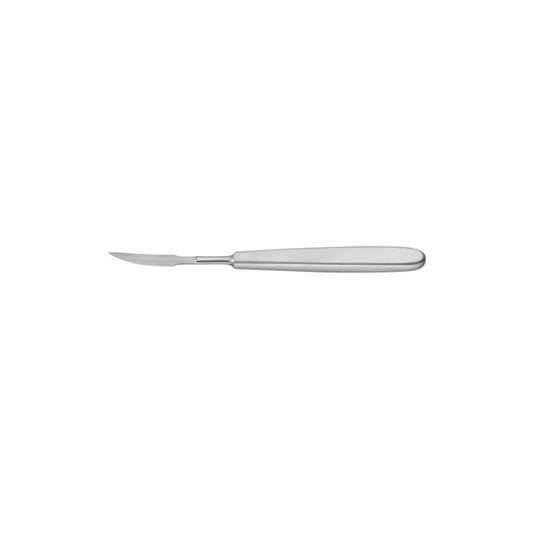
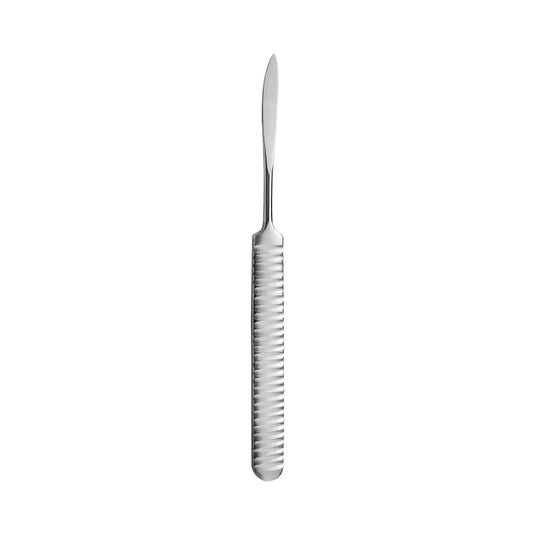
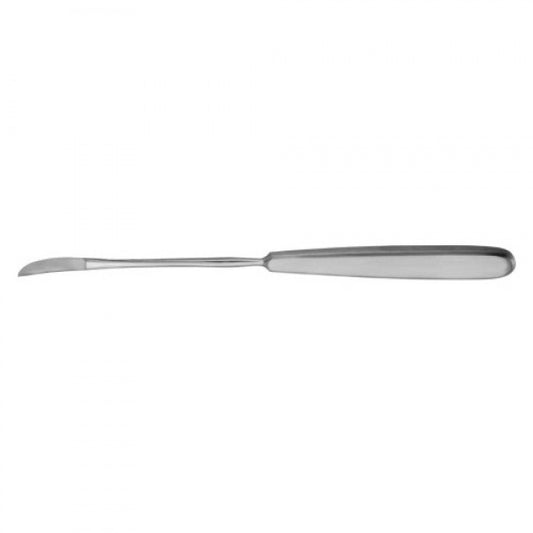
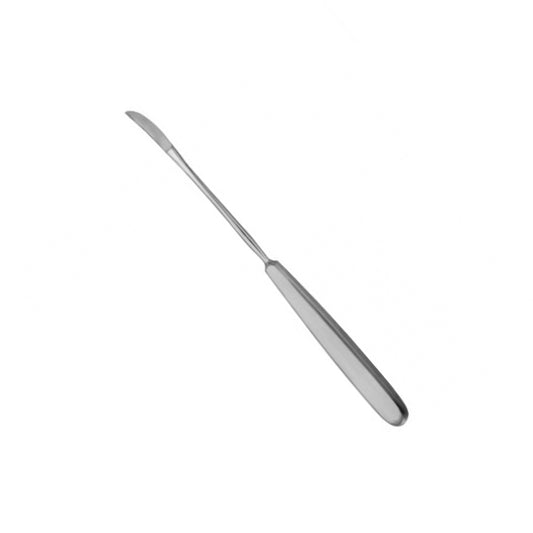
Meniscal tissue makes that removal specific work. It is dense fibrocartilage, tougher than the tissue around it and elastic enough to move away from a blade rather than being divided by it, so a meniscus knife carries a stiffer blade and a shallower cutting angle than a general soft tissue knife. Meniscus Knife 18cm ($5.50) carries the curved blade, Neff Meniscus Knife 22cm ($44.00) is curved up and right-cutting for approaching a rim from a fixed angle, and Smillie Meniscus Knife 17cm ($49.50) is the straight pattern.
Smillie, and Why Exposure Is the Difficulty
The Smillie name appears twice on this page for a reason. Ian Scott Smillie held the first chair of orthopaedic surgery at St Andrews and Dundee and was among the surgeons who defined meniscal surgery as a discipline, and the knife and the retractor that carry his name were designed as parts of the same approach rather than as separate instruments.
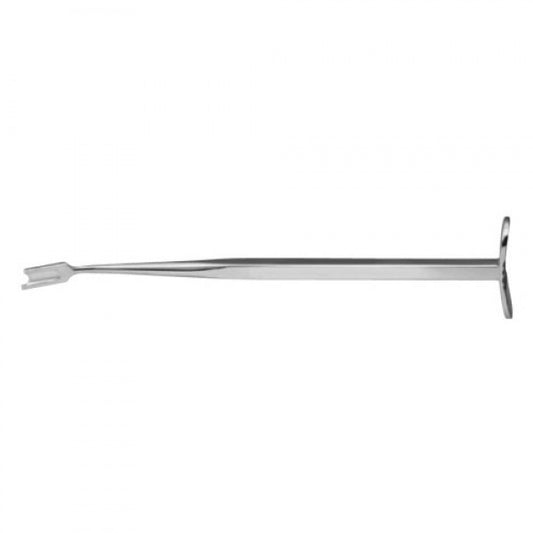
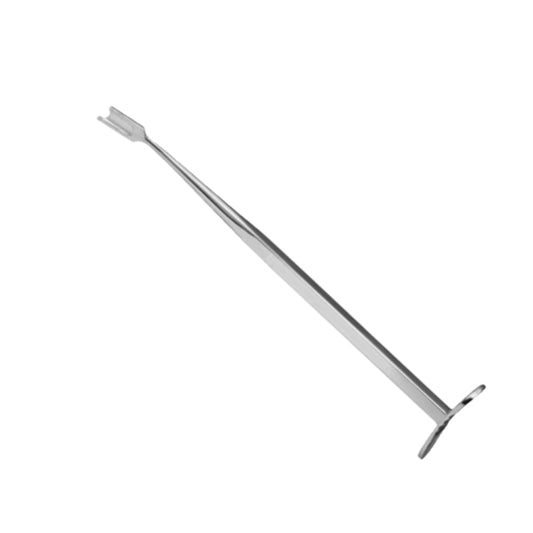
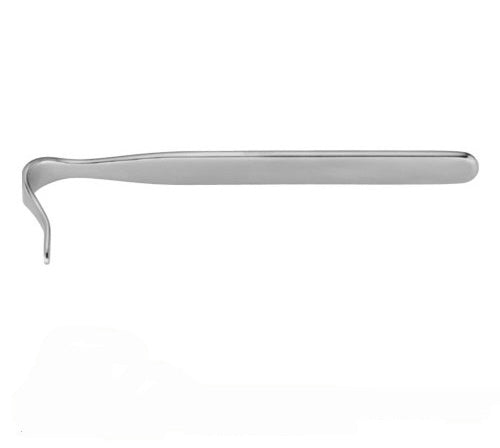
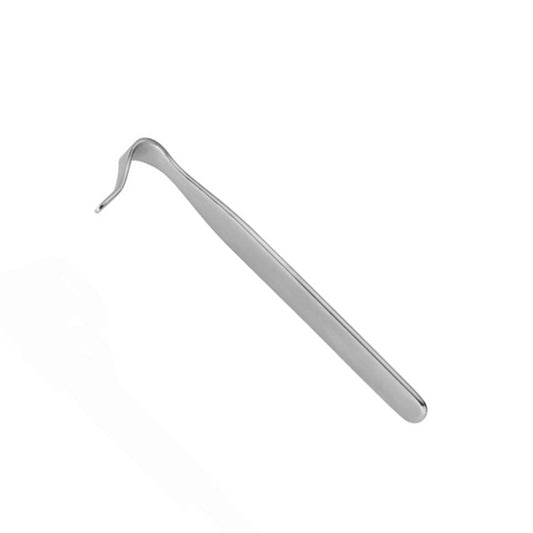
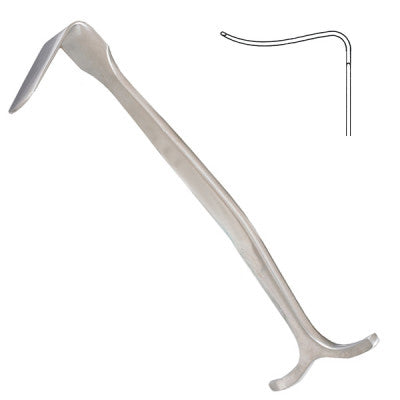
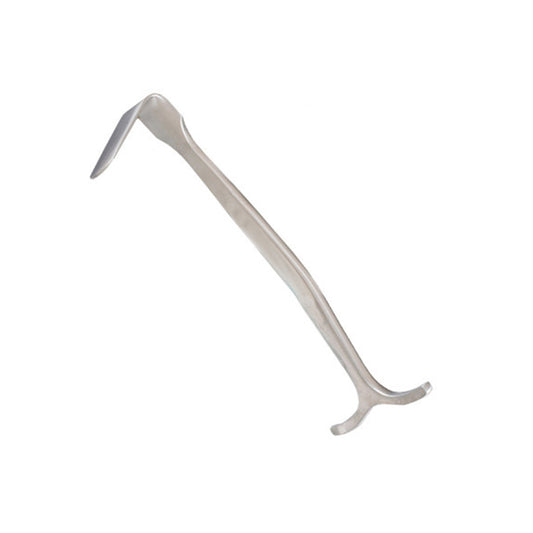
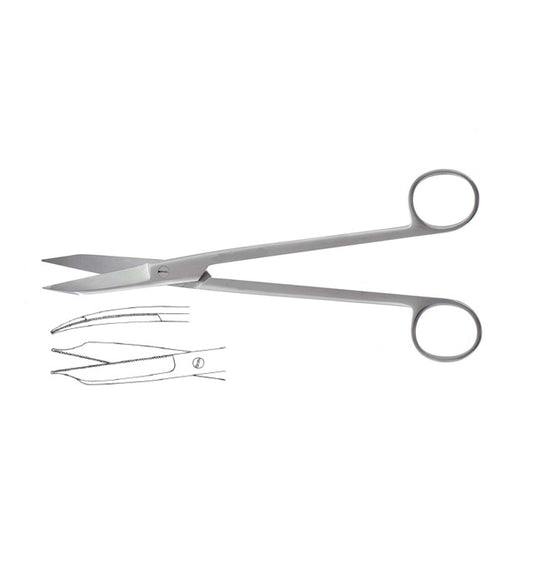
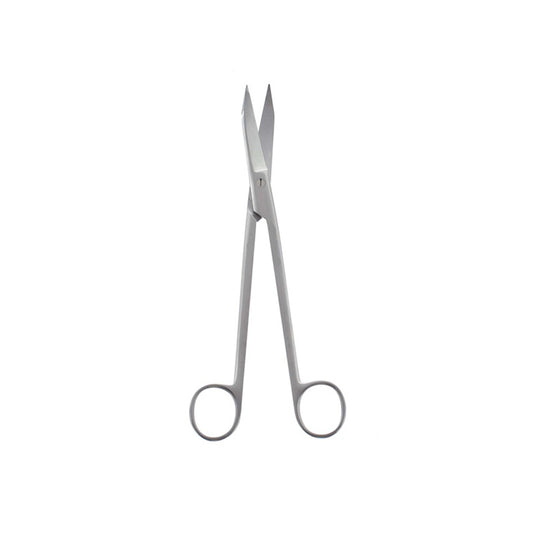
Exposure is what the retractors provide. Smillie Knee Joint Retractor 19 × 32mm ($50.60) and Blount Knee Retractor 17.8cm ($44.00) hold the joint line open so the meniscal rim can be seen and reached, which in an open approach is the whole difficulty: the meniscus sits between two articular surfaces that have to be separated before anything can be done to it. Meisterhand Martin Cartilage Scissors 8 inch ($16.50) completes the range with curved serrated blades that grip dense cartilage rather than sliding off it.
Material, Reprocessing and Certification
Every pattern is forged from German stainless steel and passivated for corrosion resistance across repeated cycles. The inspection point on meniscus knives is the cutting edge under magnification, and it matters more here than on most blades: meniscal fibrocartilage is dense enough that a dulled edge stops cutting and starts tearing, and a torn margin is not a stable one to leave behind. Check the edge along its full curve for rounding or nicks, and sight down the shaft to confirm it is true. On retractors, check the blade faces and edges are smooth, because these sit against articular cartilage that any burr will score, and confirm the blades are flat with no warp. Clean immediately with a neutral-pH enzymatic solution, then rinse with deionised water and dry fully, following the reprocessing instructions supplied.
These are Class I reusable devices, supplied non-sterile, CE marked and built under ISO 13485, with a one-year warranty. We ship at MOQ 1 with free shipping over $99. See Arthroscopy Grasping Forceps for arthroscopic meniscal instruments, or browse all orthopedic instruments.