Hip Surgery Instruments
Hip procedures, including hemiarthroplasty and total hip arthroplasty, depend on exposure of the femoral neck and the acetabulum. This collection covers the retractors and elevators that hold tissue clear and lever bone into view, plus the general instruments used alongside them.
Hip-Specific Retractors and Elevators
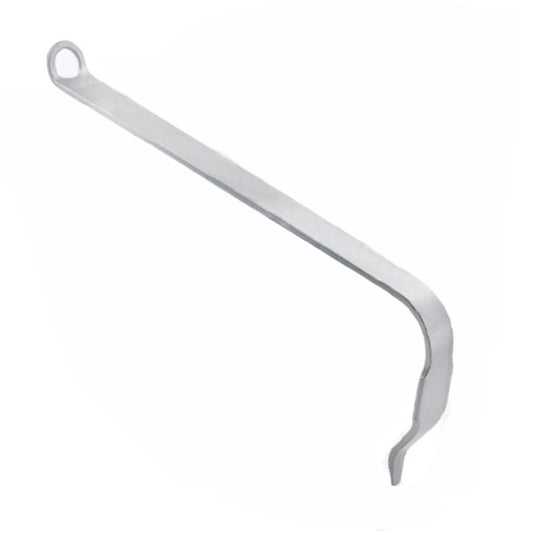
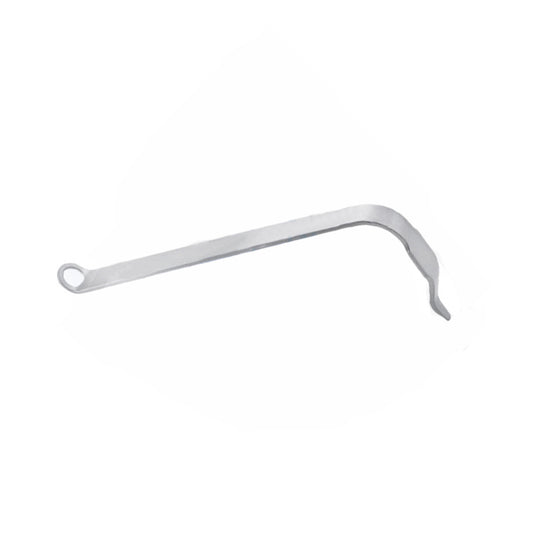
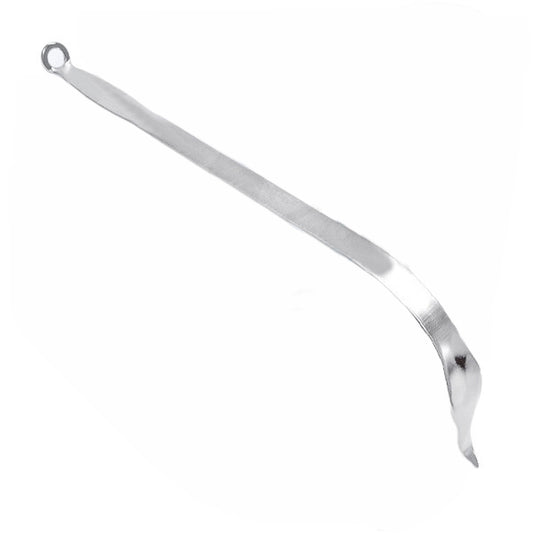
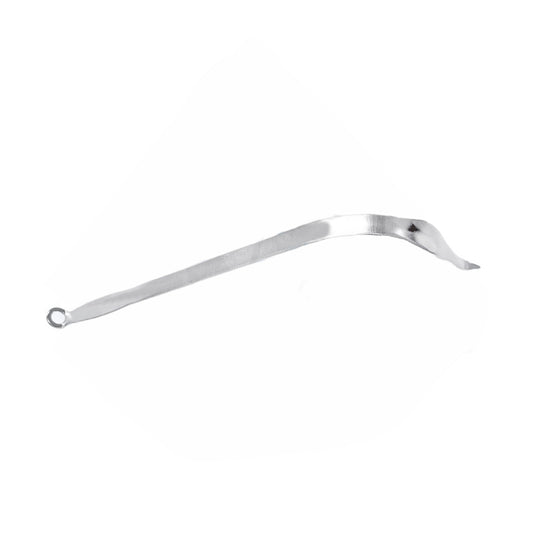
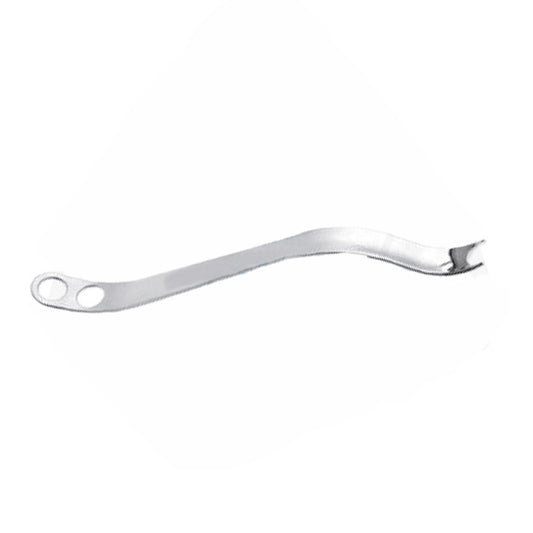
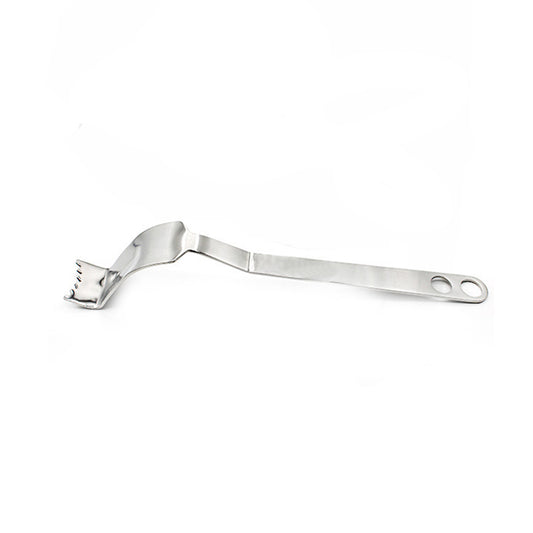
Acetabular exposure. The Anterolateral Acetabular Rim Retractor and the Posterior Femoral Neck Inferior Acetabular Rim Retractor hold soft tissue away from the acetabular rim so the socket can be seen and prepared.
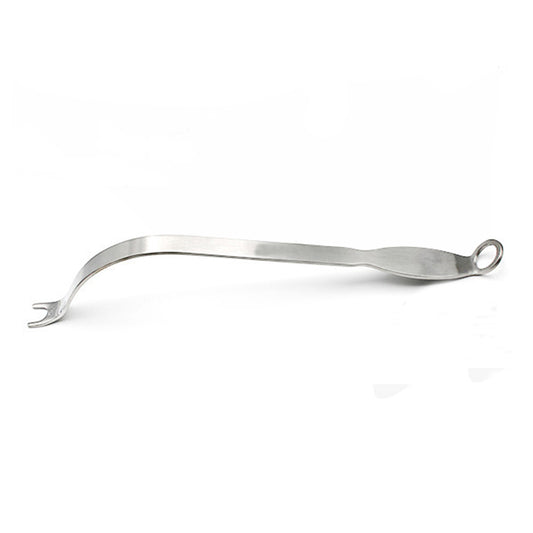
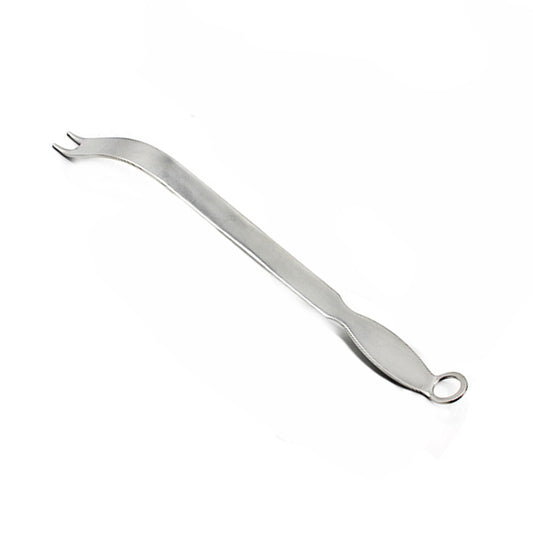
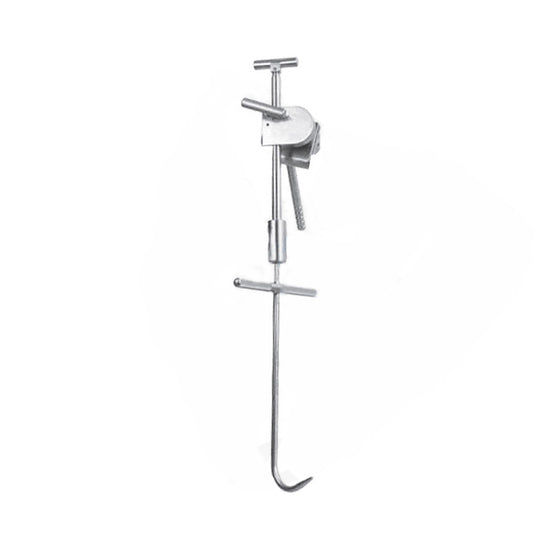
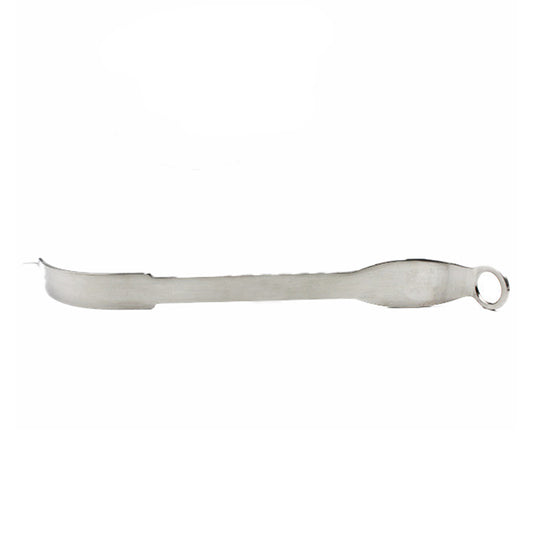
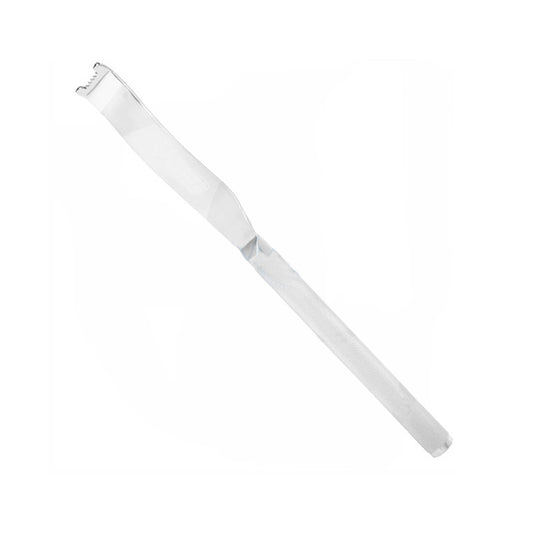
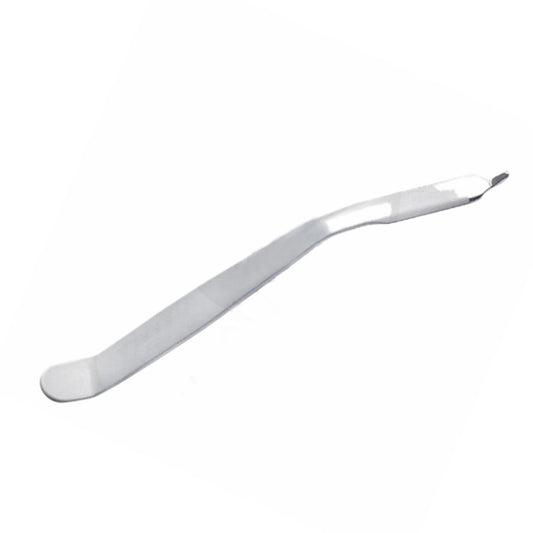
Femoral exposure. The Anterior Femoral Neck Anteromedial Rim Retractor and the Femoral Calcar Retractor (curved forked blade, listed for anterior total hip arthroplasty) retract around the femoral neck and calcar. The Femoral Neck Elevators (narrow, wide, and extra leverage) lever under the neck for exposure. The Proximal Femoral Hook helps lift the proximal femur into the wound, and the Greater Trochanteric Retractor retracts around the greater trochanter.
General Retractors and Elevators
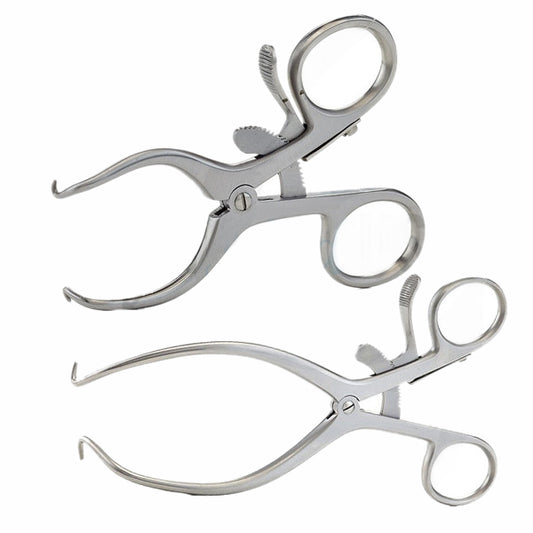
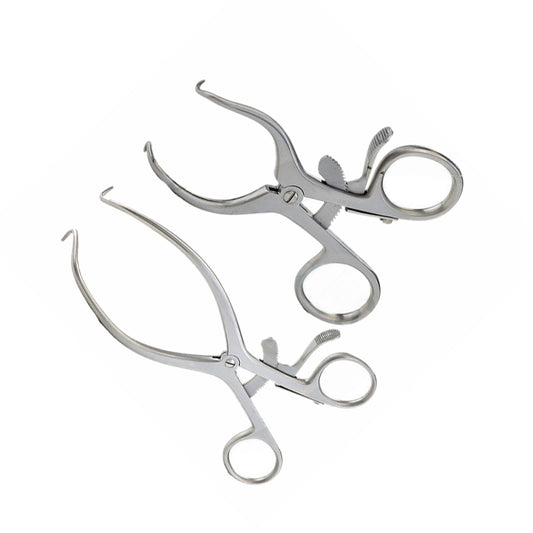
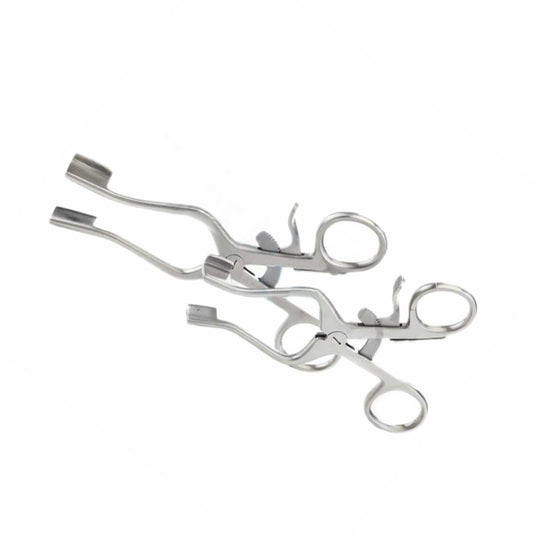
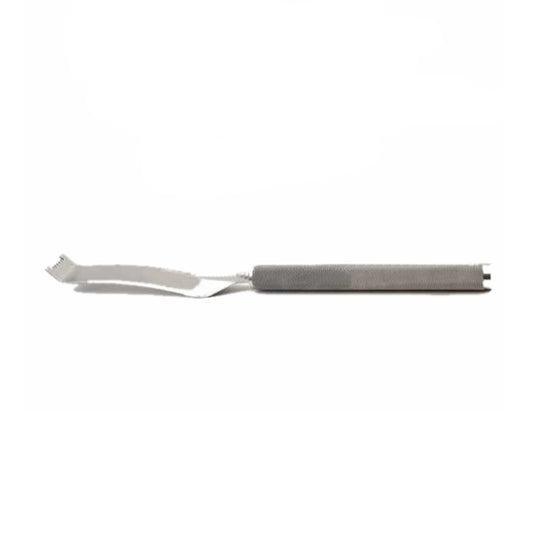
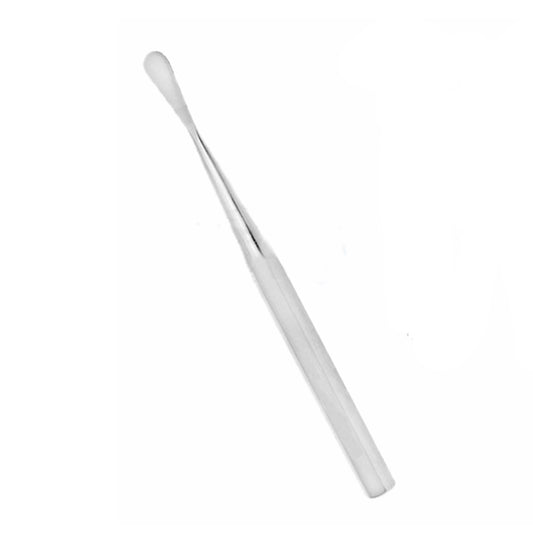
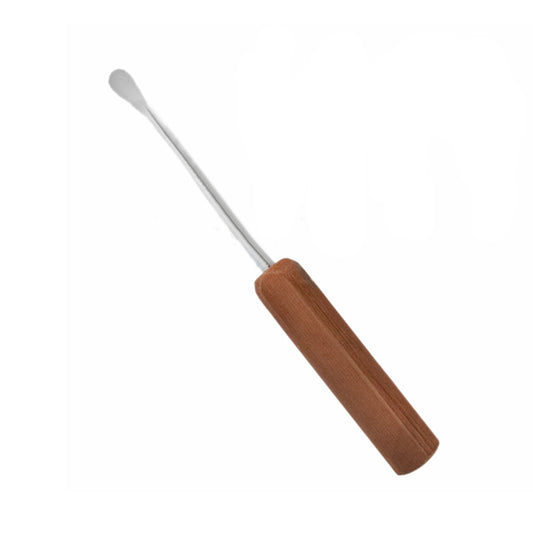
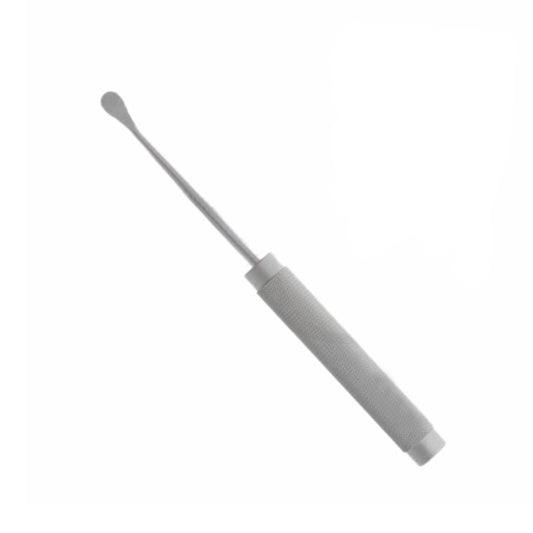
The Gelpi Crossover Retractor, Weitlaner Retractor (solid blades) and Modified Mini Hohmann Retractors provide general and self-retaining exposure. The Cobb Elevators come with a hex handle, a phenolic handle or in stainless steel.
Fixation and Handling Instruments
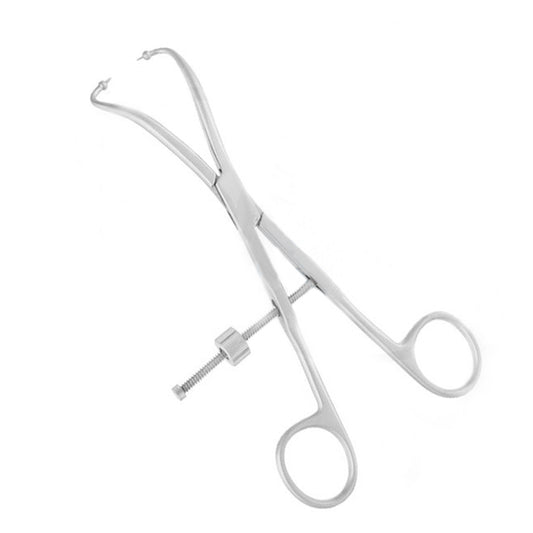
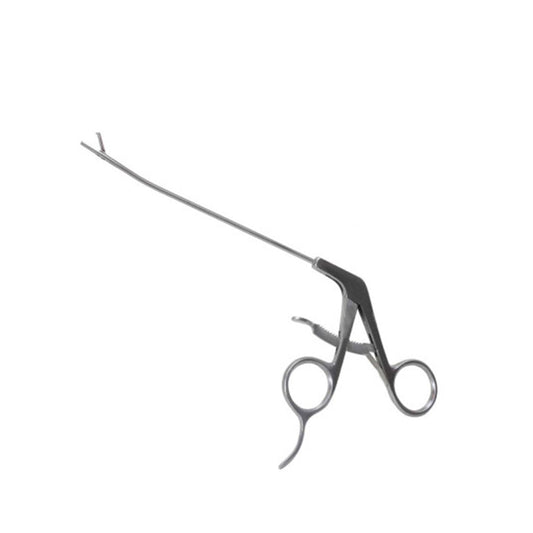
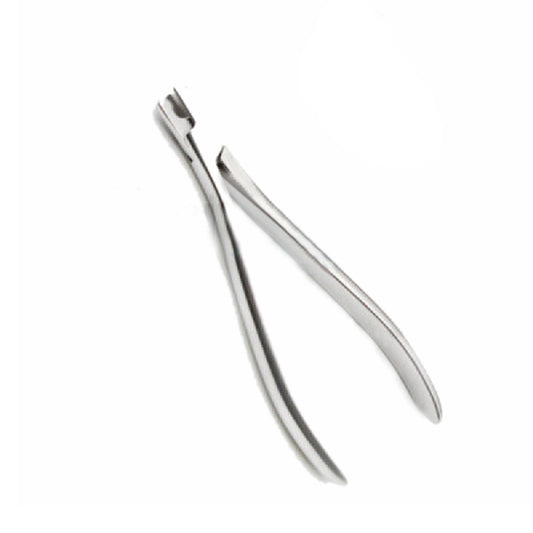
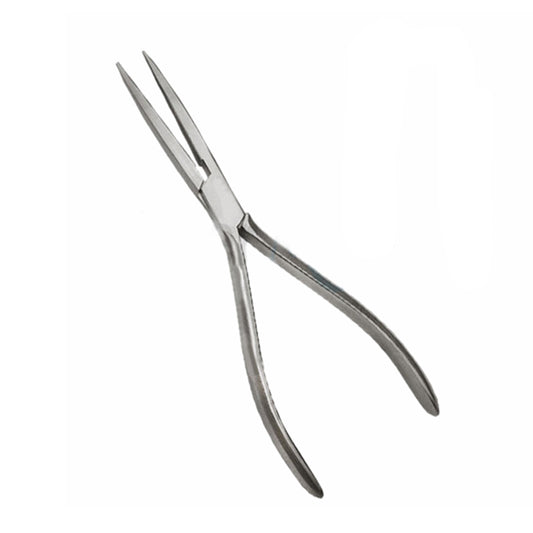
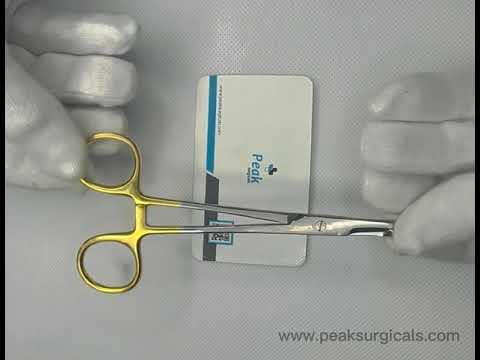
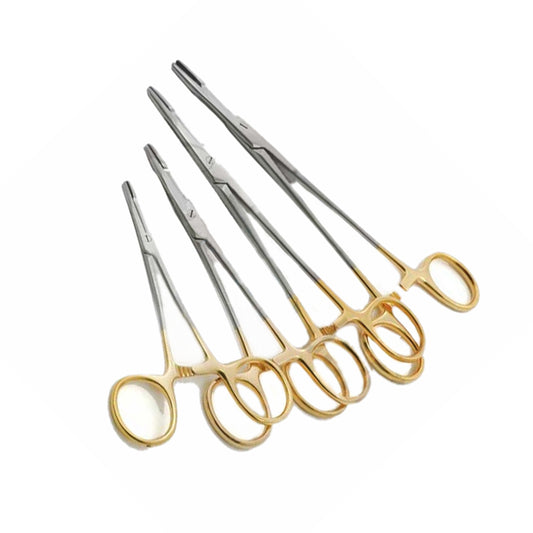
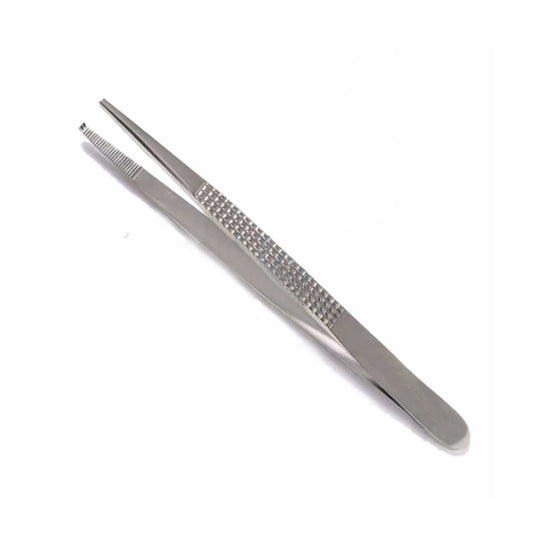
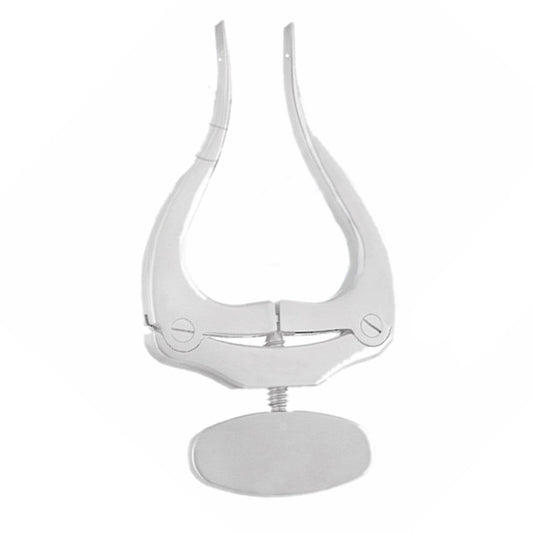
The Bone Fragment Clamp, Grasper Mini (straight tip, 2.75mm, 15°), K-Wire Plate Bender and Long Jaw Pliers (7") handle bone, wires and plates. The Olsen-Hegar Needle Holders (European style and tungsten carbide) and Bonney Tissue Forceps support closure. The Calcaneal Spreader (6mm blade) is a foot instrument carried here.
Choosing Instruments
Choose retractors and elevators by approach and by the structure you need to expose: acetabular rim retractors for the socket and femoral neck elevators and hooks for the femur. Match blade width to the patient and the exposure.
Care
Clean joints and blade edges of tissue and bone debris immediately after use and sterilize according to your facility’s protocol. Check that blades are not bent and that self-retaining mechanisms lock and release smoothly.
Related Instruments
For the implants these instruments support, see Hip Prosthesis. For more retraction, see Bone Retractors and Levers, Retractors and Spreader and Knee Retractors. For bone preparation, see Bone Elevators and Raspatories, Orthopedic Reamers and Bone Mallets. To hold bone and plates, see Bone Holding Forceps and Bone Plate Benders. For closure, see Needle Holder. For the foot instruments listed here, see Foot and Ankle Instruments. For complete kits, see Orthopedic Instruments Set, or browse all Orthopedic Instruments.
Ordering
Peak Surgicals supplies hip surgery instruments in bulk to hospitals, clinics and distributors worldwide, with international shipping. Contact our team for current stock and wholesale pricing.
Frequently Asked Questions
What are acetabular rim retractors used for?
They hold soft tissue away from the rim of the acetabulum so the socket can be seen and prepared.
What is a femoral neck elevator used for?
It levers under the femoral neck to expose it. Narrow, wide and extra-leverage versions suit different exposures.
What does a proximal femoral hook do?
It helps lift the proximal femur into the wound to improve access.
What’s the difference between a Gelpi and a Weitlaner retractor?
Both are self-retaining and hold an incision open. They differ in blade and prong design, so choose by tissue and depth.
Why does this collection include foot instruments?
The Calcaneal Spreader and Mini Hohmann retractors are general orthopedic instruments listed here as well as under Foot and Ankle.
How should these instruments be cleaned?
Clean joints and blade edges of debris immediately, check blades and mechanisms, and sterilize according to your facility’s protocol.