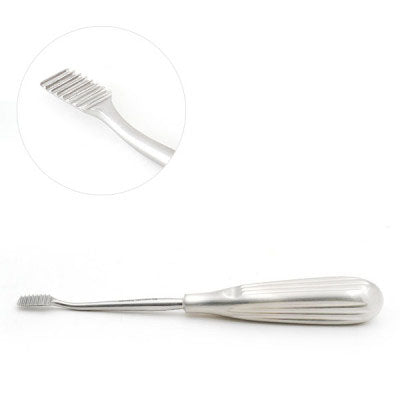
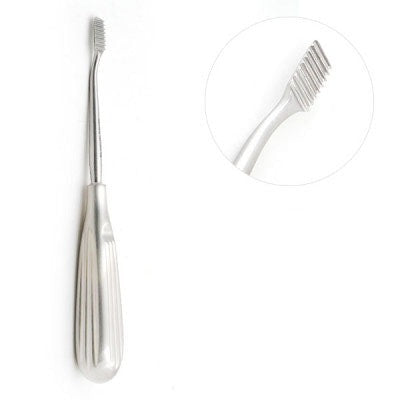
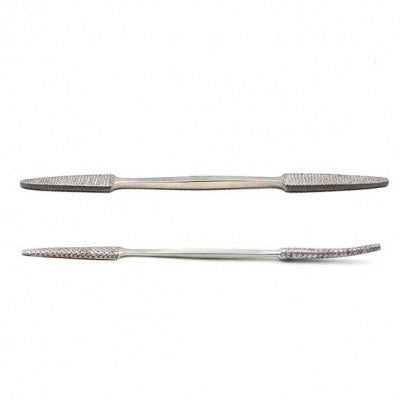
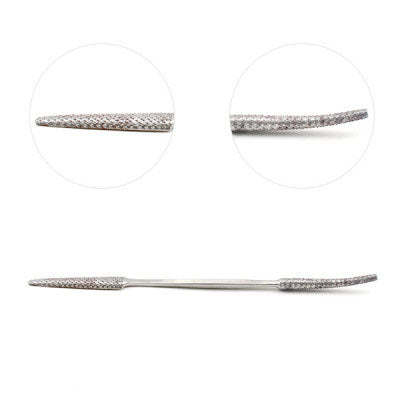
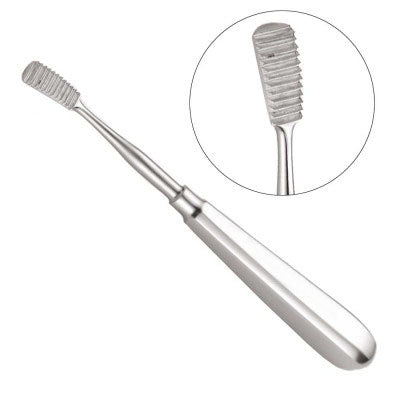
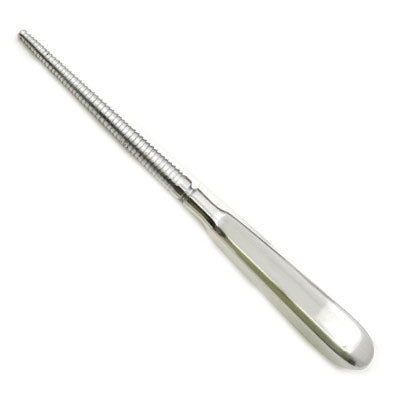
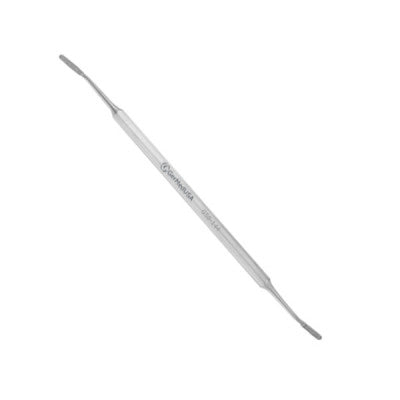
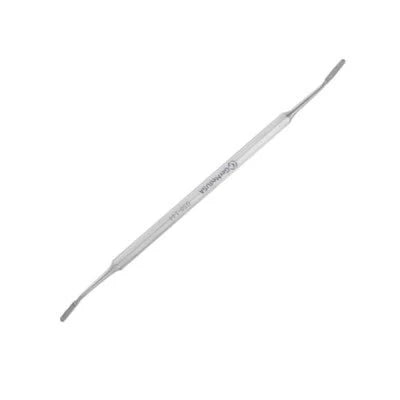
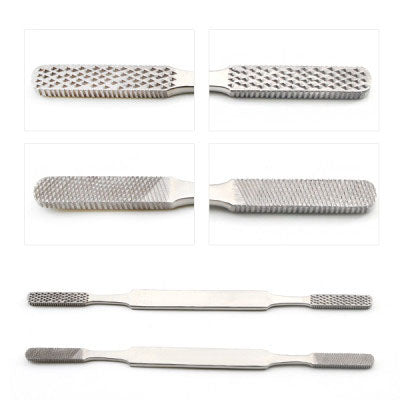
Veterinary bone rasps smooth and contour bone after cutting, the finishing step that levels rough edges left by a saw or osteotome before closure. Peak Surgicals supplies four patterns Putti, Fomon and general bone rasps, in stainless steel, from $13.20 to $17.60. Each is CE marked and built under ISO 13485. Compare all four patterns in the grid below.
Which Rasp for Which Bone Surface?
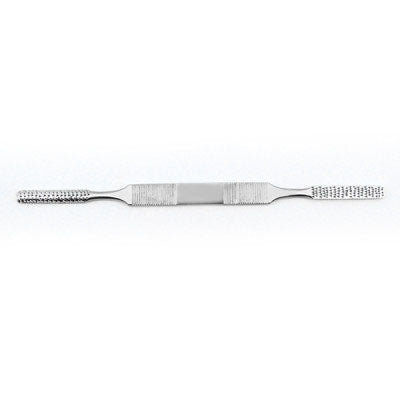
Putti Bone Rasp carries two working ends, typically one curved or round, one flat, for levelling irregular bone and contouring graft surfaces without switching instruments, while general and single-purpose patterns cover routine smoothing where only one profile is needed. Double-ended construction is what separates the more versatile patterns from the rest of the range.
Putti Bone Rasp ($17.60) is the pattern most veterinary orthopaedic trays default to, its double-ended design handles both flat surfaces and contoured edges in one instrument, avoiding a tray swap mid-procedure. Fomon Bone Rasp (from $13.20) covers general bone-surface finishing at the lower end of the range. Bone Rasp Instrument ($15.40) and Nail Rasp ($13.20) round out the set for general contouring and nail-bed or claw-adjacent work specifically. We supply every pattern at MOQ 1.
Cutting Direction and Tooth Pattern
A rasp's tooth pattern decides how aggressively it removes bone and in which direction. Cross-serrated teeth cut on both the push and pull stroke, clearing bone faster where bulk removal matters; single-direction serrations cut on one stroke only, giving finer control for finishing work. Neither pattern's sharpness matters as much as choosing the stroke direction correctly, working against the tooth pattern skates across bone instead of cutting it, and can round over the teeth prematurely.
Double-ended rasps like the Putti pack two tooth patterns or two profiles into one handle, which is why they've become the standard choice: a surgeon working through a procedure that needs both flat-surface levelling and contoured shaping does not need to reach for a second instrument. Central handles on double-ended patterns balance that geometry so neither end feels unwieldy in the hand.
Reprocessing, Tooth Integrity and Certification
These rasps are forged from stainless steel, corrosion-resistant across repeated autoclave cycles, and holding tooth geometry under scraping pressure where a softer instrument would round over. Bone debris packs between the serrations during use, so ultrasonic cleaning before autoclaving is what keeps the cutting surface working rather than burnishing bone on the next use. Inspect teeth for rounding after each cycle, a dulled rasp compresses bone instead of removing it.
Every instrument is Class I, reusable, CE marked and built under ISO 13485, the documentation a veterinary supply team verifies before qualifying a vendor. Warranty is one year with return-and-replacement, MOQ is 1 piece, orders over $99 ship free in carton box packing, and OEM marking is available for distributors. For related patterns see veterinary bone files; browse all veterinary orthopedic instruments. Talk to us about OEM and volume terms.