
Kiemelt kollekció
Kosár
Kiemelt kollekció

PEAK SURGICALS
Termékváltozat:PI-015
Nem sikerült betölteni az átvehetőségi adatokat


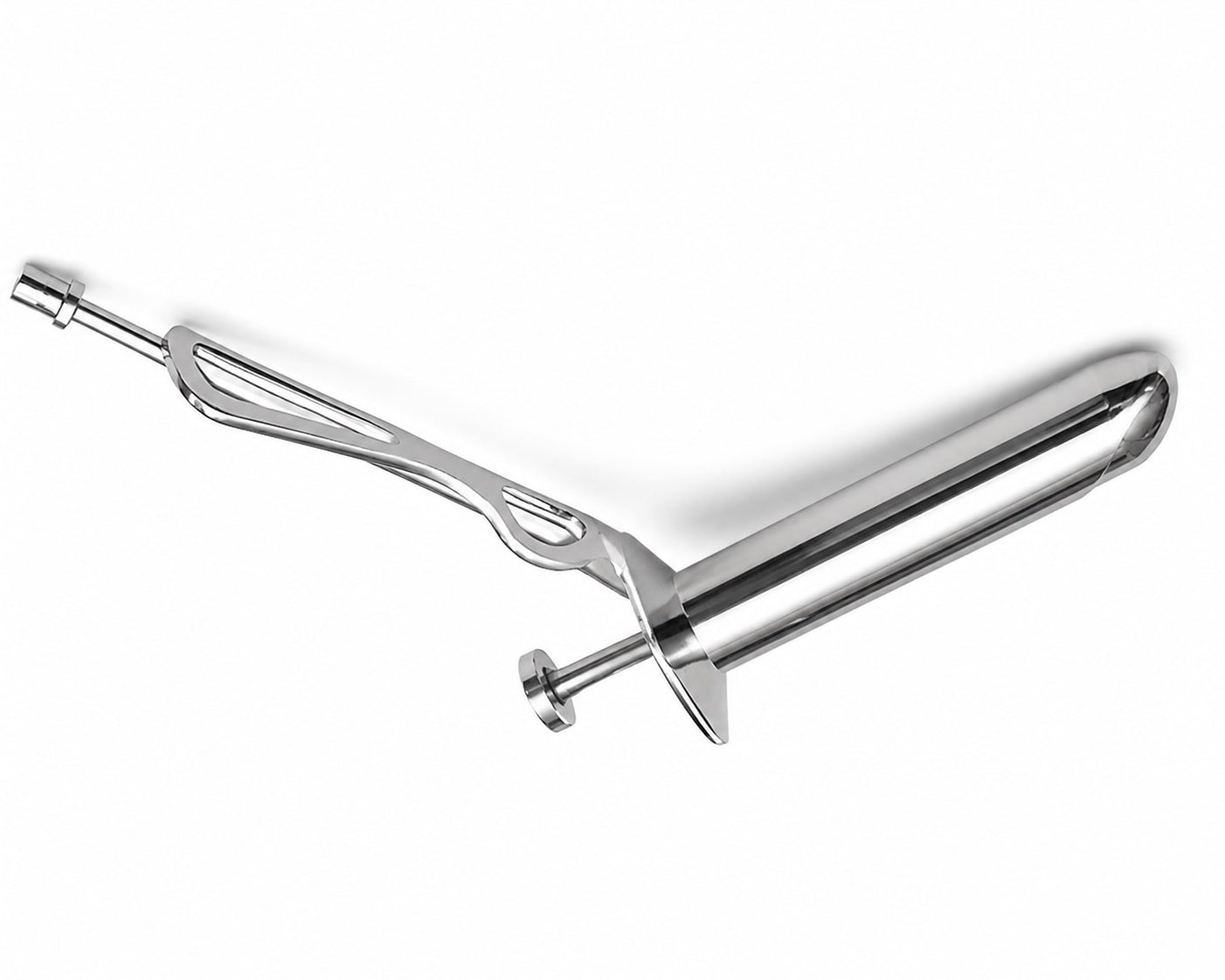
A CCF Hirschman anoscóp, PI-014 SKU számú, egy újrahasználható merev proktológiai vizsgálóeszköz, amely német rozsdamentes acélból készült az anális csatorna és az alsó rektális nyálkahártya közvetlen vizsgálatához. A sorozat öt konfigurációban kapható, lekerekített obturátor hegyekkel: 5/8 hüvelyk átmérő x 2-1/2 hüvelyk hosszú, 15/16 hüvelyk átmérő x 2-3/4 hüvelyk hosszú, 1-1/2 hüvelykes ferdeséggel, 15/16 hüvelyk átmérő x 3-1/2 hüvelyk hosszú, 1-1/2 hüvelykes ferdeséggel, 15/16 hüvelyk átmérő x 4 hüvelyk hosszú, 1-1/4 hüvelykes ferdeséggel, és 15/16 hüvelyk átmérő x 4 hüvelyk hosszú, 1-1/2 hüvelykes ferdeséggel. Az eszköz egy merev csőtestből, egy ferdén nyitott disztális nyílásból, egy proximális karimából, egy külső fogantyúból és egy eltávolítható obturátorból áll, amely sima bevezetési profilt hoz létre, mielőtt eltávolítanák a vizualizációhoz. Vastagbélsebészek, általános sebészek, proktológusok és gasztrointesztinális eljárásokat végző csapatok használják ezt a típust anoscópiához, aranyér vizsgálatához, anális fissura ellenőrzéséhez, fisztula nyílás értékeléséhez, alsó rektális vérzés felméréséhez, posztoperatív anorektális vizsgálathoz és célzott biopsziás mintavételhez. Alkalmas vastagbélgyógyászati klinikákra, járóbeteg-ellátó helyiségekre, kórházi vizsgálóhelyiségekre és műtőkre, ahol újrahasználható, közvetlen látású anorektális hozzáférésre van szükség.
A CCF Hirschman anoscóp fix csőtestén keresztül biztosítja a feltárást, nem pedig táguló pengéken vagy racsnis spekulákon keresztül. Hengeres lumenje stabil vizsgálófolyosót tart fenn, miközben a klinikus előrehalad, stabilizál, forgat és visszahúz, közvetlen kontroll alatt. Az eltávolítható obturátor a bevezetés során elfoglalja a lument, és lekerekített disztális hegyet biztosít, így a nyitott fém él nem ütközik hirtelen a nyálkahártyával, ahogy az eszköz áthalad az anális csatornán. Amint a szkóp eléri a kívánt mélységet, az obturátort visszahúzzák, így a belső csatorna elérhetővé válik a vizualizációhoz és kompatibilis törlőkendők, szívóhegyek vagy vékony biopsziás eszközök áthaladásához. A ferde disztális nyílás klinikailag fontos, mert a látóvonalat a célfal felé irányítja, és lehetővé teszi a kvadránsspecifikus megtekintést a cső forgatásakor. A proximális karima külső tájékozódási és mélységi referencia, míg a fogantyú távol tartja az operátor kezét a megtekintési bejárattól, és erőkart biztosít az irányállítás során. Mivel az eszköz egy fix lumenre támaszkodik, nincs csavaros terpesz, forgatható bivaly vagy önrögzítő zár. A működési elv ezért az obturátorral történő ellenőrzött bevezetés, majd a ferde merev csövön keresztüli közvetlen vizsgálat, amely az eredmények szerint áthelyezhető.
Rutin anoscópia során a bevezetett kenőcsös szerelék az obturátor teljesen behelyezett állapotában kerül bevezetésre, amíg el nem éri a szükséges anális csatorna vagy disztális rektális szintet. Ezután eltávolítják az obturátort, és az operátor megvizsgálja a dentátvonal-régiót, az aranyérpárnákat, a fissura széleit, a posztoperatív szövetet vagy a látható nyálkahártya-rendellenességeket, miközben a csövet szakaszosan forgatja és visszahúzza. Belső aranyér felmérésénél az eszköz segít az előreesés, az érrendszeri torlódás, a vérzékenység, a friss vérzés és a szöveti változások azonosításában az irodai kezelés után. Anális fissura vizsgálat esetén a ferdeség a elváltozás felé irányítható, hogy javítsa a fissura alapjának, a kapcsolódó őrszövetnek és a környező nyálkahártyának a vizualizációját. Ha feltételezhető a fisztula in ano, a lumenen keresztüli közvetlen vizsgálat segíthet a belső nyílás lokalizálásában a szondázás vagy a végleges kezelés előtt. Alsó rektális vérzés esetén a klinikus felmérheti, hogy a forrás aranyérbetegségből, nyálkahártya-fekélyből, traumás sérülésből, posztoperatív változásból vagy látható disztális elváltozásból ered-e. Ugyanez a hozzáférési útvonal támogatja a törlőpálca vagy vékony biopsziás fogó bevezetését, ha célzott mintavételre van szükség. Aranyér műtét, fissura műtét vagy fisztulotómia után a cső használható utóvizsgálat során a gyógyulás, a maradék vérzés, a hegesedés vagy az ismétlődő anorektális patológia felmérésére.
Az 5/8 hüvelyk átmérőjű x 2-1/2 hüvelyk hosszú modell a sorozat legkeskenyebb és legrövidebb konfigurációja, és akkor választják, ha egy kompaktabb vizsgálócsövet preferálnak a fókuszált anális csatorna értékeléséhez. A 15/16 hüvelyk átmérőjű opciók szélesebb vizuális folyosót és nagyobb munkaterületet biztosítanak a közvetlen vizsgálathoz és a kompatibilis tartozékokhoz. Ezen a szélesebb átmérőjű csoporton belül a 2-3/4 hüvelyk hosszú, 1-1/2 hüvelykes ferdeségű modell alkalmas rövid hatótávolságú anorektális vizsgálatra, ahol kiterjesztett ferde megtekintési élre van szükség. A 3-1/2 hüvelyk hosszú modell, 1-1/2 hüvelykes ferdeséggel, további elérést biztosít az alsó végbélbe, miközben megőrzi ugyanazt a ferdeségi hosszt, így alkalmas felnőtt anoscópiára, ha az operátornak nagyobb mélységre van szüksége, mint a rövid mintázat. A 4 hüvelyk hosszú változat 1-1/4 hüvelykes ferdeséggel kiterjesztett elérést kínál kissé rövidebb ferde nyílással, míg a 4 hüvelyk hosszú változat 1-1/2 hüvelykes ferdeséggel maximális elérést biztosít hosszabb ferde látómezővel együtt. Az átmérő határozza meg a lumen kaliberét és a munkaterületet, a hossz az elérést, a ferdeség hossza pedig a kitett megtekintési ablak mértékét befolyásolja. A kiválasztásnak ezért illeszkednie kell a célszerv anatómiájához, a vizsgálati mélységhez és az eljárás során szükséges közvetlen fali expozíció mértékéhez.
A német rozsdamentes acél biztosítja azt a merevséget, amely szükséges a csőgeometria és az obturátor igazításának megőrzéséhez ismételt klinikai használat során, miközben támogatja a korrózióállóságot a tisztítás, fertőtlenítés és gőzsterilizálás során is. A polírozott felület sima belső és külső felületeket hoz létre, amelyek csökkentik a súrlódást a bevezetés során, és megkönnyítik a vér, nyálka, kenőanyag és szöveti maradványok eltávolítását az újrafeldolgozás során. Használat után az obturátort el kell választani a csőtesttől, hogy a lumen, a ferdeség, a karima, a fogantyú csatlakozása és a disztális hegy alaposan megtisztítható legyen. A csatornát kefével és öblítéssel kell tisztítani, majd minden alkatrészt le kell öblíteni, teljesen meg kell szárítani, és ellenőrizni kell a fennmaradt szennyeződéseket, deformációt, durva éleket vagy az igazítás elvesztését a csomagolás előtt. Az újrahasználható rozsdamentes acél alkatrészek ezután feldolgozhatók egy érvényesített gőzautokláv ciklussal, amely megfelelő az eszközhöz és a létesítmény sterilizálási protokolljához. A CE-jelölés támogatja a vonatkozó megfelelőségi dokumentációt a szabályozott orvostechnikai eszközpiacok számára, míg az ISO 13485 az ellenőrzött gyártás, nyomon követhetőség és dokumentáció minőségirányítási keretét azonosítja. Az Egyesült Államokban történő beszerzéshez az FDA-kompatibilis beszerzés megköveteli az ügyletre vonatkozó releváns intézményi, eszköz-, címkézési, import- és szállítói nyilvántartásokat. A Peak Surgicals egyéves garanciával, egy darabos MOQ-val, OEM vagy saját márkás szállítással, valamint visszaküldési vagy cserével kapcsolatos értékesítés utáni szolgáltatással támogatja a kórházi és forgalmazói megrendeléseket.
| SKU | PI-014 |
|---|---|
| Termék neve | CCF Hirschman Anoscóp |
| Ár | 34,80 USD |
| Méret/mérő változatok | 5/8" átmérő x 2-1/2" hosszú; 15/16" átmérő x 2-3/4" hosszú 1-1/2" ferdeséggel; 15/16" átmérő x 3-1/2" hosszú 1-1/2" ferdeséggel; 15/16" átmérő x 4" hosszú 1-1/4" ferdeséggel; 15/16" átmérő x 4" hosszú 1-1/2" ferdeséggel |
| Műszer kategória | Proktológiai műszerek / Anoscópok |
| Eljárás | Anoscópia, aranyér felmérés, anális fissura vizsgálat, fisztula értékelés, alsó rektális vérzés felmérés, posztoperatív anorektális vizsgálat és biopsziás hozzáférés |
| Anyag | Német rozsdamentes acél |
| Felületkezelés | Tükörpolírozott felület |
| Sterilizálás | Újrafelhasználható és kompatibilis az érvényesített gőzautokláv feldolgozással |
| Műszer besorolás | Újrafelhasználható merev anoscóp eltávolítható obturátorral |
| Újrafelhasználható | Igen |
| Tanúsítványok | CE jelölés, ISO 13485 minőségbiztosítási rendszer, FDA-kompatibilis beszerzési dokumentáció |
| Garancia | 1 év |
| MOQ | 1 darab |
| OEM / Egyedi megrendelések | Elérhető kórházak, forgalmazók és saját márkás beszerzés számára |
| Értékesítés utáni szolgáltatás | Visszaküldési és csere támogatás |
Miben különbözik a CCF Hirschman Anoscóp egy Kelly Proctoscóptól?
A CCF Hirschman Anoscóp egy rövidebb merev vizsgálócső, elsősorban az anális csatornára és a közvetlen alsó végbélre szánva. A Kelly Proctoscóp általában nagyobb teljes hosszt kínál, és akkor választják, ha a klinikusnak mélyebb alsó végbélhez való hozzáférésre van szüksége. A Hirschman típus az anoscópiára fókuszál, átmérő, hossz és ferdeség geometriai választékával. Lekerekített obturátora és ferde nyílása a anorektális nyálkahártya irányított vizsgálatára szolgál egy kompakt csövön keresztül. A Kelly típus továbbra is alkalmasabb, ha a vizsgálati célpont a végbélen belül proximalisan helyezkedik el. A műszer kiválasztása tehát a szükséges vizsgálati mélységtől és a tervezett eljáráshoz szükséges munkatartomány mértékétől függ.
Hogyan válassza ki a különböző CCF Hirschman anoscóp méreteket?
Az 5/8 hüvelykes x 2-1/2 hüvelykes modellt akkor választják, ha egy keskenyebb és rövidebb hozzáférési cső kívánatos a célzott anális csatorna felméréséhez. A 15/16 hüvelykes átmérőjű változatokat akkor választják, ha a klinikus szélesebb vizuális folyosót és nagyobb munkaterületet szeretne a közvetlen vizsgálathoz vagy a vékony kiegészítők áthaladásához. A 2-3/4 hüvelykes és 3-1/2 hüvelykes hosszak fokozatosan nagyobb alsó rektális elérésre alkalmasak, míg a 4 hüvelykes konfigurációk még tovább terjesztik a hozzáférést. A ferdeség hossza is befolyásolja a feltárást, mivel az 1-1/2 hüvelykes ferdeség hosszabb ferde látóablakot hoz létre, mint az 1-1/4 hüvelykes ferdeség. A CCF Hirschman anoscóp kiválasztásának ezért a célszerv anatómiáján, a szükséges vizsgálati mélységen és a kompakt hozzáférés és a szélesebb feltárás közötti kívánt egyensúlyon kell alapulnia. Az átmérő, a cső hossza és a ferdeség geometriája mind együtt kell figyelembe venni, nem pedig elszigetelt specifikációként.
Mit jelentenek a CE, ISO 13485 és FDA követelmények a beszerzés szempontjából?
A CCF Hirschman Anoszkópot a Peak Surgicals CE és ISO 13485 beszerzési keretrendszerén belül szállítják. A CE-jelölés a szabályozott orvostechnikai eszközpiacok vonatkozó megfelelőségi dokumentációját támogatja. Az ISO 13485 az ellenőrzött gyártás, nyomon követhetőség, dokumentáció és beszállítói folyamatok minőségirányítási rendszerét azonosítja. Az Egyesült Államokbeli vásárlókra vonatkozó FDA beszerzési kontextus az ügyletre vonatkozó releváns intézményi, eszköz-, címkézési, import- és forgalmazási nyilvántartásokra vonatkozik. A kórházaknak és a forgalmazóknak ezeket a dokumentumokat a szállítói minősítési, beszerzési és auditálási fájljaikban kell tárolniuk. Ezek a szabályozási keretek különböző beszerzési és megfelelőségi funkciókkal foglalkoznak, és az intézményi beszerzés során külön követelményként kell felülvizsgálni őket.
Hogyan kell használni a lekerekített obturátor hegyét és fogantyúját anoscópia során?
A lekerekített obturátor hegyét a bevezetés előtt a csőbe kell illeszteni, hogy a nyitott fém él ne érintkezzen közvetlenül a nyálkahártyával a bevezetés során. Amint a CCF Hirschman anoscóp eléri a kívánt mélységet, az obturátort eltávolítják, hogy megnyíljon a lumen a vizualizáció és a kiegészítők áthaladása számára. A külső fogantyú erőkart biztosít az ellenőrzött előrehaladáshoz, a forgatási pozicionáláshoz és a szakaszos visszahúzáshoz, miközben távol tartja az operátor kezét a proximális megtekintési bejárattól. A ferde véget ezután a elváltozás vagy a vizsgálandó nyálkahártya-kvadráns felé lehet irányítani. Nincs racsnis, rugós vagy rögzítő terpesztő, mert a feltárást a fix cső kialakítása hozza létre, nem pedig mechanikus tágító rendszer. Ezek a vezérlési funkciók lehetővé teszik az irányított vizsgálatot, miközben stabil vizsgálófolyosót tartanak fenn.
Hogyan kell a kórházaknak tisztítani és sterilizálni a CCF Hirschman anoscópot?
A CCF Hirschman anoscópot a használat után azonnal be kell vonni egy validált újrahasználható műszerfeldolgozási eljárásba. Az obturátort el kell választani, és a lument, a ferdeséget, a karimát, a fogantyú csatlakozását és a disztális felületeket meg kell tisztítani, mielőtt a vér, nyálka vagy kenőanyag megszáradna. A csatornát kefével és öblítéssel kell tisztítani, majd az alkatrészeket le kell öblíteni, teljesen meg kell szárítani, és ellenőrizni kell a fennmaradt szennyeződéseket, érdességet vagy az igazítás megváltozását. Az újrahasználható rozsdamentes acél alkatrészek ezután alávethetők egy validált gőzautokláv ciklusnak, amely megfelelő az eszközhöz és a kórház sterilizálási protokolljához. A beszerzési csapatoknak meg kell őrizniük az PI-014 SKU-t, a méretválasztási nyilvántartásokat, a garancia dokumentációt, a tanúsítványi nyilvántartásokat és a szállítói adatokat a nyomon követhető készletgazdálkodáshoz. Ez a megközelítés segít a kórházaknak és a forgalmazóknak szabványosítani a rendelést és fenntartani az ismételhető steril feldolgozási munkafolyamatot a teljes Hirschman anoscóp termékcsaládon belül.


