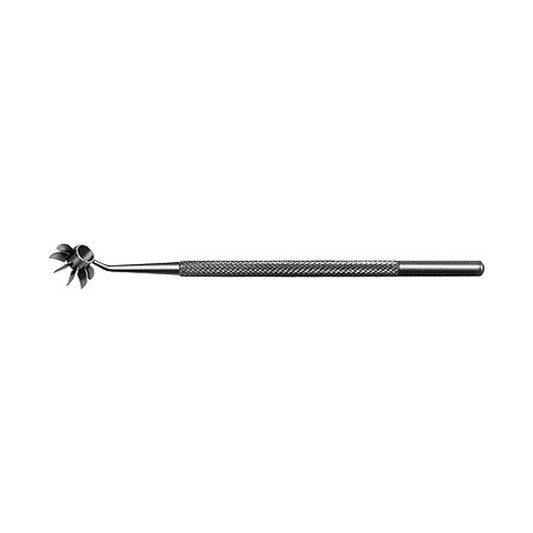
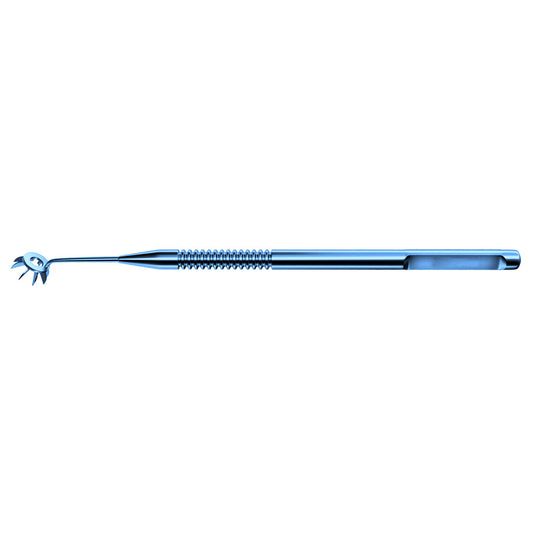
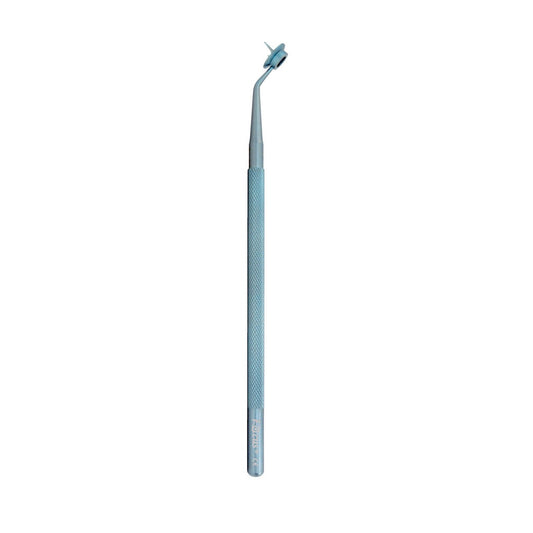
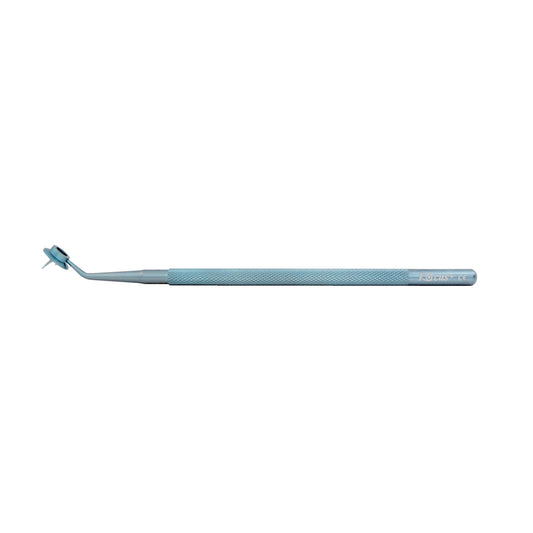
A szaruhártya-jelölések adják meg azt a referenciapontot, amelyhez a teljes tórikus implantáció igazodik, éppen ezért a jelölési hiba fénytörési hibát eredményez. A Peak Surgicals négy mintát kínál: Osher-Neumann Corneal Marker 8 Line (PS-J-114, 89,78 dollár), Low Profile Corneal Marker 4 Line (PS-J-113, 93,50 dollár), Corneal Marker 8.5mm / 9mm (PS-J-112, 96,80 dollár), valamint Axis Marker (PS-J-111, 97,15 dollár), CE-jelöléssel és az ISO 13485 szabvány szerint gyártva. Hasonlítsa össze mind a négy mintát az alábbi táblázatban.
Miért változtatja meg a jelölő az eredményt?
A tórikus illesztési hiba közvetlenül maradék asztigmatizmusba torkollik, és a szem megjelölésére használt eszköz mérhetően befolyásolja ezt a hibát. Egy két tórikus jelölőt összehasonlító kohorszvizsgálat az egyiknél szignifikánsan alacsonyabb átlagos abszolút illesztési hibát talált, és ennek eredményeként nagyobb arányban értek el 0,50 D alatti manifeszt cylinder értéket. A jelölő nem elhasználható részlet a tálcában; része a fénytörési eredménynek.
Az első változó a vonalak száma. Az Osher-Neumann Corneal Marker 8 Line (PS-J-114, 89,78 dollár) nyolc radiális referenciaként szolgáló vonalat nyomtat egyetlen alkalmazás során, több pontot biztosítva a mérőeszköz beállításához, míg a Low Profile Corneal Marker 4 Line (PS-J-113, 93,50 dollár) a négy kardinális meridiánt jelöli, és alacsonyabb profilt tart fenn a szemgolyón. A Corneal Marker 8.5mm / 9mm (PS-J-112, 96,80 dollár) két gyűrűátmérőt kínál, így a jelölés a limbus szélén helyezkedik el, nem pedig attól rövidebb távolságra. Minden mintát minimális rendelési mennyiség (MOQ) 1-től szállítunk.
A háromlépcsős jelölési sorrend
A tórikus tengely jelölése egy háromlépcsős sorozat, és egyetlen műszer sem fejezi be. A szemet először a 0-180 fokos tengelyen jelölik meg, a páciens felegyenesedett helyzetben, így a lefekvéskor fellépő ciklotorzió nem befolyásolja a referenciát. Ezután egy fokmérőt igazítanak ezekhez az elsődleges jelölésekhez, hogy megtalálják a cél meridiánt, és csak ezután jelölik meg a limbuszt ezen a szögen. Az Axis Marker (PS-J-111, 97,15 dollár) az eszköz erre a harmadik lépésre, Mendez-típusú fokmérővel használva.
Két gyakorlati szempont dönti el a pontosságot. Jelölje meg a limbusz szaruhártya szélét, ne a kötőhártyát, mert a szubkonjunktivális vérzés és a chemosis elfedheti a kötőhártya jelét, mielőtt a lencse behelyezésre kerül. És jelölje meg, amíg a szaruhártya még száraz, mivel a nedves felületre felvitt tinta szétterjed és kiszélesíti azt a vonalat, amelytől az igazítás függ.
Anyag, újrahasznosítás és tanúsítás
Minden mintát precíziósan megmunkáltak és passziváltak a korrózióállóság érdekében, ismételt ciklusok során. A jelölő ellenőrzési pontja a penge éle nagyítás alatt: ellenőrizze minden radiális vonalat laposodás vagy hiányzó szegmens szempontjából, mivel egy olyan jelölő, amely nyolc vonalból hetet tisztán nyomtat, hamis referenciát ad, nem pedig nyilvánvaló hibát, és győződjön meg arról, hogy a gyűrű laposan ül, átmérőjében nincs görbület. Azonnal tisztítsa meg semleges pH-jú enzimes oldattal, távolítsa el a tinta maradványokat a pengék közül, mielőtt megszáradna, majd öblítse le deionizált vízzel és szárítsa teljesen meg, mielőtt autoklávozja 134°C-on.
Ezek I. osztályú, újrahasználható eszközök, CE-jelöléssel és ISO 13485 szabvány szerint gyártva, 1 év gyártói garanciával. Minimum 1 darabos rendelési mennyiséggel szállítunk, 99 dollár feletti rendelés esetén ingyenes szállítással, és OEM gyártás is elérhető forgalmazók számára. Lásd a Mérőeszközök aloldalt a mérőműszerekhez, vagy böngésszen az összes Szemészeti Eszköz között. Beszéljen velünk az OEM feltételekről.