
Vybraná kolekce
Váš košík
Vybraná kolekce

PEAK SURGICALS
SKU:PI-008
Dostupnost vyzvednutí nebylo možné načíst


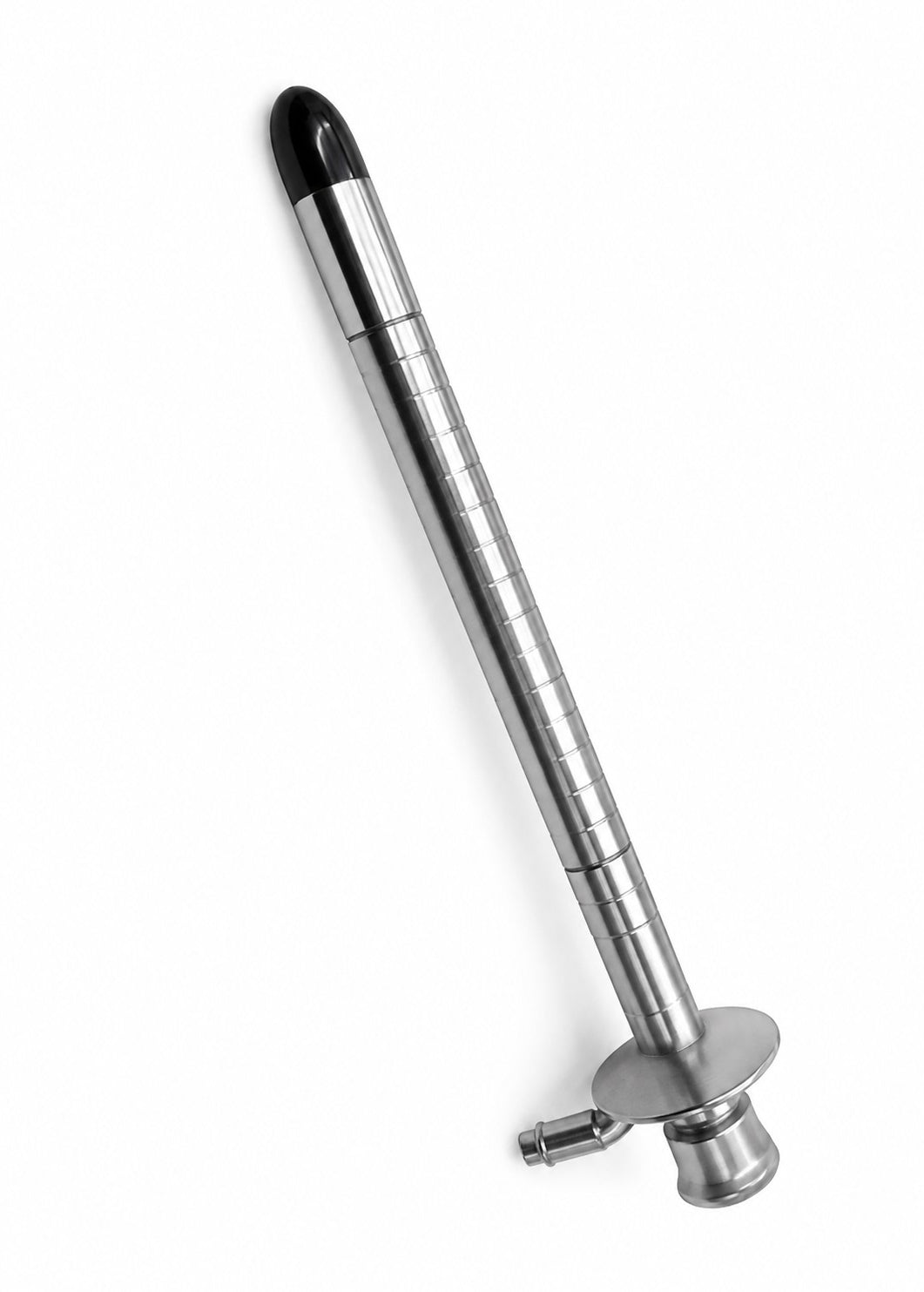
Fiberoptický proktoskop 22 mm x 280 mm s trojitým světelným nástavcem, SKU PI-008, je opakovaně použitelný rigidní proktologický nástroj vyrobený z německé nerezové oceli pro osvětlené vyšetření análního kanálu a konečníku. Trubicový lumen o průměru 22 mm poskytuje definovaný pozorovací koridor, zatímco pracovní délka 280 mm umožňuje hlubší rektální inspekci než kratší anoskopy a standardní kompaktní proktoskopy. Jeho hlavními součástmi jsou dlouhé cylindrické tělo skopu, zaoblený distální profil, proximální příruba, bočně umístěný fiberoptický konektor a trojitý světelný nástavec kompatibilní s osvětlovacími rozhraními Storz, Wolf a ACMI. Optický nosič směřuje externí světlo podél lumenu, aniž by zabíral centrální pracovní kanál, čímž ponechává prostor pro přímou vizualizaci, odsávání, tamponování, bioptické kleště nebo jiné kompatibilní příslušenství. Kolorektální chirurgové, všeobecní chirurgové, proktologové a týmy provádějící gastrointestinální zákroky používají tento typ nástroje během proktoskopie, hodnocení rektálního krvácení, posuzování vnitřních hemeroidů, inspekce distálních rektálních lézí, přístupu pro mukosální biopsii, pooperační kontroly a vyšetření zánětlivých, traumatických nebo neoplastických změn v dosahu rigidní trubice. Nástroj je určen pro operační sály, kolorektální kliniky, ambulantní chirurgická centra, oblasti zákroků přiléhající k endoskopii a nemocniční vyšetřovací místnosti vyžadující opakovaně použitelný fiberoptický přístup do konečníku.
Nástroj pracuje prostřednictvím dlouhé rigidní trubice, která udržuje konstantní lumen o průměru 22 mm, zatímco chirurg posouvá, stabilizuje, otáčí a stahuje skop pod přímou vizí. Jeho cylindrická geometrie zabraňuje úplnému kolapsu stěny konečníku do optického koridoru a poskytuje přímou cestu pro světlo a kompatibilní příslušenství. Distální konec je hladce zaoblený, aby se snížilo lokální zachycení během kontrolovaného zavádění, zatímco proximální příruba poskytuje operátorovi externí referenci pro hloubku a orientaci. Bočně umístěný fiberoptický konektor spojuje skop s externím zdrojem osvětlení a směřuje světlo dolů trubicí, takže lze posoudit barvu sliznice, vaskularitu, krvácivé body, ulcerace a lokální léze s lepší definicí pole. Trojitý nástavec je konfigurován pro rozhraní světelných zdrojů Storz, Wolf a ACMI, což zajišťuje kompatibilitu napříč běžnými operačními osvětlovacími systémy. Jelikož je optický port umístěn mimo centrální otvor, hlavní kanál zůstává k dispozici pro prohlížení, odsávání, tampony nebo tenké bioptické nástroje. Neexistuje žádný západkový mechanismus, rozšiřující čepel nebo samonosný mechanismus; expozice je vytvářena pevným trubicovým průměrem a udržována ručně. Tento design poskytuje klinickému lékaři neustálou kontrolu nad hloubkou zavedení, rotační orientací, zorným polem a postupným stahováním během cirkumferenční inspekce konečníku.
Při proktoskopii se lubrikovaný nástroj zavádí pod kontrolou až do dosažení požadovaného rektálního segmentu, poté se připojí fiberoptický světelný zdroj a lumen se systematicky prohlédne. Průměr 22 mm umožňuje operátorovi vizualizovat sliznici při otáčení a postupném stahování trubice, takže lze vyšetřit každý kvadrant. Při hodnocení rektálního krvácení pomáhá zaměřené osvětlení identifikovat křehkou sliznici, vaskulární léze, hemoroidní krvácení šířící se proximálně, pooperační místa, ulcerace nebo jiné distální zdroje viditelné v rigidním poli. U podezření na rektální polypy nebo lokalizované slizniční abnormality může pracovní kanál pojmout kompatibilní bioptické kleště nebo tampony pro cílený odběr vzorků. Při zánětlivé nebo pooperační kontrole může chirurg posoudit otok sliznice, granulační tkáň, tvorbu jizev, stenotické zúžení, zbytkové krvácení nebo recidivující patologii. Délka 280 mm poskytuje dodatečný dosah ve srovnání s kompaktními anoskopy, což činí nástroj vhodným, pokud vyšetření musí sahat za bezprostřední anální kanál do proximálnějších rektálních segmentů. Kolorektální a všeobecné chirurgické týmy jej mohou použít před lokální excizí, během diagnostického vyšetření nebo při následné kontrole po anorektální operaci, za předpokladu, že rigidní přístup odpovídá plánovanému vyšetření a anatomii pacienta.
Tento model je dodáván jako jedna konfigurace s průměrem 22 mm x délkou 280 mm, nikoli jako řada s více velikostmi, takže výběr je založen na potřebě relativně širokého rigidního lumenu v kombinaci s prodlouženým rektálním dosahem. Průměr 22 mm vytváří dostatečný vnitřní prostor pro přímé pozorování a průchod tenkých odsávacích, tamponovacích nebo bioptických doplňků při zachování stabilního cylindrického pole. Jeho pracovní délka 280 mm jej odlišuje od krátkých anoskopů a kompaktních proktoskopů určených hlavně pro anální kanál a velmi distální rektum. Tato dodatečná délka je užitečná, když klinický lékař potřebuje prohlédnout delší rektální segment, aniž by okamžitě přešel na flexibilní endoskop. Trojitý fiberoptický nástavec je hlavním komponentem rozhraní a umožňuje připojení k systémům světelných zdrojů Storz, Wolf nebo ACMI bez výměny těla skopu. Proximální příruba poskytuje vnější zarážku a orientační referenci, zatímco dlouhá trubice určuje pracovní dosah a udržuje optickou dráhu zarovnanou. Při pořízení je tato konfigurace nejlépe zvolena pro kolorektální služby, které již používají kompatibilní fiberoptické světelné platformy a vyžadují opakovaně použitelný rigidní nástroj s prodlouženým dosahem, 22mm vyšetřovacím kanálem a standardizovaným uspořádáním konektorů pro osvětlené diagnostické nebo drobné intervenční pracovní postupy.
Německá nerezová ocel poskytuje tuhost potřebnou k zachování 22mm trubicové geometrie během opakovaného klinického použití a zároveň zajišťuje odolnost proti korozi při čištění, dezinfekci a sterilizaci párou. Leštěný povrch vytváří hladké vnitřní i vnější povrchy, které snižují tření během zavádění a usnadňují odstraňování krve, hlenu, lubrikantu a tkáňových zbytků během dekontaminace. Znovuzpracování začíná ihned po použití předčištěním lumenu, konektoru, příruby a distálního konce, následovaným důkladným kartáčováním, proplachováním, oplachováním, sušením a vizuální kontrolou. Zvláštní pozornost je věnována fiberoptickému nástavci, protože zadržené nečistoty nebo poškození povrchu na optickém rozhraní mohou snížit přenos světla. Opakovaně použitelné tělo skopu může být zpracováno ověřeným cyklem parní autoklávace vhodným pro chirurgické nástroje z nerezové oceli s fiberoptikou, zatímco jakýkoli externí světelný kabel nebo světelný zdroj je spravován podle vlastních pokynů pro znovuzpracování. Značka CE podporuje příslušnou dokumentaci shody a ISO 13485 identifikuje rámec řízení kvality zdravotnických prostředků, který se řídí kontrolovanou výrobou, sledovatelností a dokumentací. Pro nákup ve Spojených státech vyžaduje nákup v souladu s FDA příslušné záznamy o zařízení, označování, dovozu a dodavatelích použitelné pro transakci. Peak Surgicals podporuje nemocniční a distribuční objednávky s jednoletou zárukou, MOQ pro jeden kus, OEM nebo privátní značkou a poprodejním servisem pro vrácení nebo výměnu.
| SKU | PI-008 |
|---|---|
| Název produktu | Fiberoptický proktoskop 22 mm x 280 mm s trojitým světelným nástavcem |
| Cena | 75,80 USD |
| Varianty velikosti/měřidla | Průměr 22 mm x pracovní délka 280 mm |
| Kategorie nástroje | Proktologické nástroje / Fiberoptické proktoskopy |
| Postup | Proktoskopie, hodnocení rektálního krvácení, vyšetření vnitřních hemeroidů, inspekce rektální sliznice, vyšetření lézí, přístup k biopsii a pooperační kontrola |
| Materiál | Německá nerezová ocel |
| Povrchová úprava | Zrcadlově leštěná nerezová ocel |
| Sterilizace | Opakovaně použitelné a kompatibilní s ověřeným zpracováním v parním autoklávu |
| Klasifikace nástroje | Opakovaně použitelný rigidní fiberoptický proktologický vyšetřovací nástroj |
| Opakovaně použitelné | Ano |
| Certifikace | Označení CE, systém kvality ISO 13485, dokumentace k nákupu v souladu s FDA |
| Záruka | 1 rok |
| MOQ | 1 kus |
| OEM / Zakázkové objednávky | K dispozici pro nemocnice, distributory a nákup privátních značek |
| Poprodejní servis | Podpora vrácení a výměny |
Jak se fiberoptický proktoskop 22 mm x 280 mm liší od proktoskopu Kelly?
Fiberoptický proktoskop 22 mm x 280 mm používá prodlouženou rigidní trubici a dedikované fiberoptické rozhraní pro osvětlené rektální vyšetření. Konvenční proktoskop Kelly je obecně kratší a je primárně konfigurován pro vyšetření análního kanálu a dolního rekta. Konfigurace PI-008 poskytuje 280 mm pracovní délky při zachování 22mm pozorovacího lumenu. Jeho bočně umístěný optický nástavec také směruje externí osvětlení do otvoru, aniž by zabíral centrální kanál. Typ Kelly je vhodný, pokud postačuje kratší anorektální přístup, zatímco delší fiberoptický design je vybrán, když je vyžadován dodatečný rektální dosah a integrované optické propojení. Oba zůstávají rigidními nástroji, takže ani jeden neposkytuje flexibilní navigaci dostupnou u flexibilního sigmoidoskopu.
Proč je zvolena konfigurace 22 mm průměr x 280 mm?
Fiberoptický proktoskop 22 mm x 280 mm je vybrán, když postup vyžaduje značný pozorovací lumen a prodloužený rigidní přístup do konečníku. Průměr 22 mm ponechává prostor pro přímou vizualizaci spolu s kompatibilním odsáváním, tampony nebo tenkými bioptickými kleštěmi. Jeho délka 280 mm dosahuje dále než kompaktní proktoskopy určené primárně pro anální kanál a bezprostředně přiléhající rektální sliznici. Tato geometrie může podpořit hodnocení rektálního krvácení, slizničních lézí, pooperačních míst a abnormalit umístěných mimo dosah krátkého anoskopu. Pevná trubice také zachovává stabilní optický koridor během rotační inspekce a stahování. Výběr by proto měl odrážet plánovanou hloubku vyšetření, dostupný rektální přístup a potřebu průchodu příslušenství rigidním osvětleným kanálem.
Co znamenají požadavky CE, ISO 13485 a FDA pro nákup?
Fiberoptický proktoskop 22 mm x 280 mm je dodáván v rámci nákupního rámce Peak Surgicals s označením CE a ISO 13485. Označení CE podporuje příslušnou dokumentaci shody pro regulované trhy zdravotnických prostředků. ISO 13485 identifikuje systém řízení kvality, který se řídí kontrolovanou výrobou, dokumentací, sledovatelností a procesy dodavatelů. Kontekst nákupu FDA pro kupující ve Spojených státech se týká příslušných požadavků na zařízení, označování, dovoz a distribuci. Nemocnice a distributoři by měli uchovávat příslušné záznamy v rámci kvalifikace dodavatelů, nákupu a auditní dokumentace. Tyto rámce řeší samostatné regulační funkce a měly by být řízeny odpovídajícím způsobem během institucionálního nákupu.
Jak se trojitý fiberoptický nástavec používá během proktoskopie?
Trojitý nástavec na fiberoptickém proktoskopu 22 mm x 280 mm slouží jako rozhraní pro ovládání osvětlení, nikoli jako mechanické uzamykací zařízení. Přijímá kompatibilní připojení světelných zdrojů Storz, Wolf nebo ACMI, takže operační sál může skop propojit s dostupným fiberoptickým systémem. Po připojení se světlo přenáší nosičem a směřuje podél rigidního lumenu k rektálnímu poli. Jelikož je připojení umístěno bočně, centrální otvor zůstává volný pro prohlížení a kompatibilní diagnostické doplňky. Chirurg pak může trubici otáčet nebo stahovat při zachování osvětlení postupných slizničních kvadrantů. Neexistuje žádný západkový nebo rozšiřující mechanismus, takže hloubka, orientace a expozice zůstávají pod přímou ruční kontrolou po celou dobu vyšetření.
Jak by měly nemocnice znovu zpracovávat a spravovat PI-008 pro opakované klinické použití?
Fiberoptický proktoskop 22 mm x 280 mm by měl být po každém zákroku okamžitě zařazen do ověřené cesty opakovaně použitelných nástrojů v nemocnici. Krev, hlen, lubrikant a tkáňové zbytky jsou odstraněny z lumenu, distálního konce, příruby a konektoru před důkladným kartáčováním a proplachováním. Po opláchnutí a vysušení personál sterilizačního oddělení zkontroluje trubici na deformace a optické rozhraní na nečistoty nebo poškození povrchu, které by mohlo snížit osvětlení. Opakovaně použitelný nástroj z nerezové oceli pak může podstoupit vhodný ověřený cyklus parní autoklávace, zatímco externí kabely a vybavení světelných zdrojů se řídí svými příslušnými postupy znovuzpracování. Nákupní týmy by měly uchovávat SKU PI-008, nákupní cenu 129,80 USD, regulační dokumentaci, záruční informace a historii servisu pro sledovatelnost zásob. OEM objednávky, dodávky privátních značek a podpora výměny umožňují nemocnicím a distributorům začlenit nástroj do standardizovaných kolorektálních nákupních programů.


