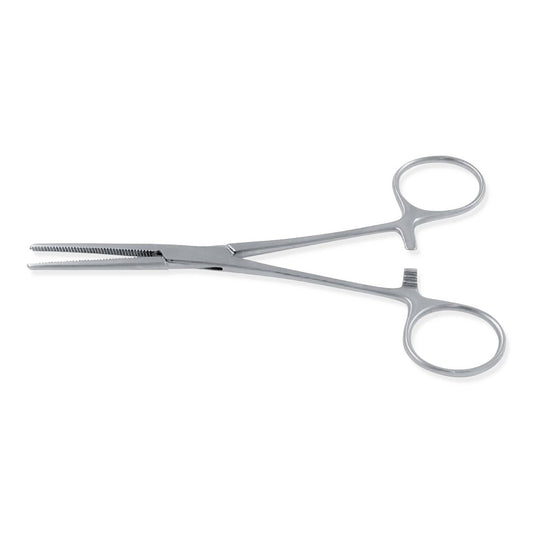
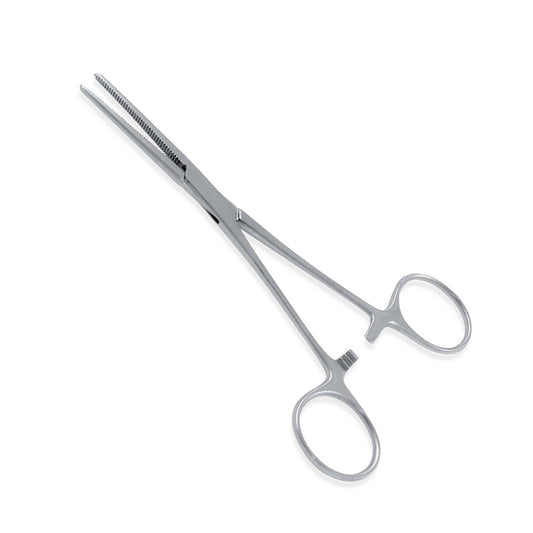
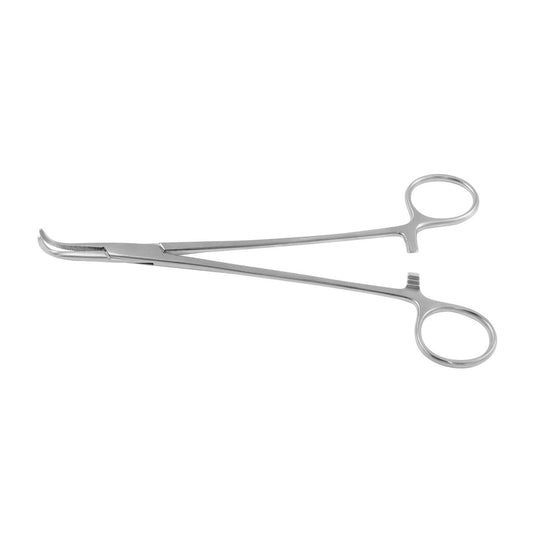
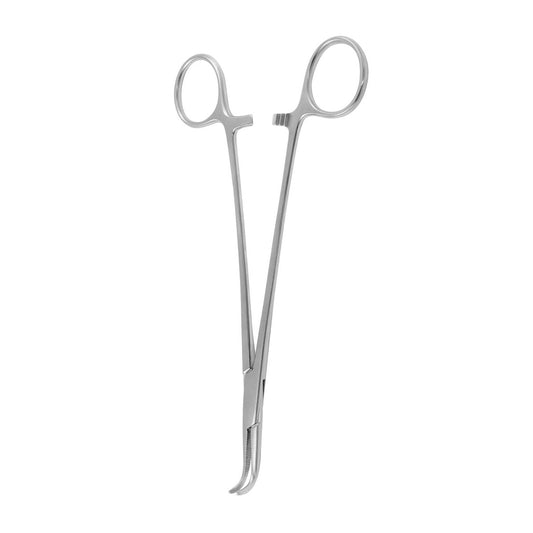
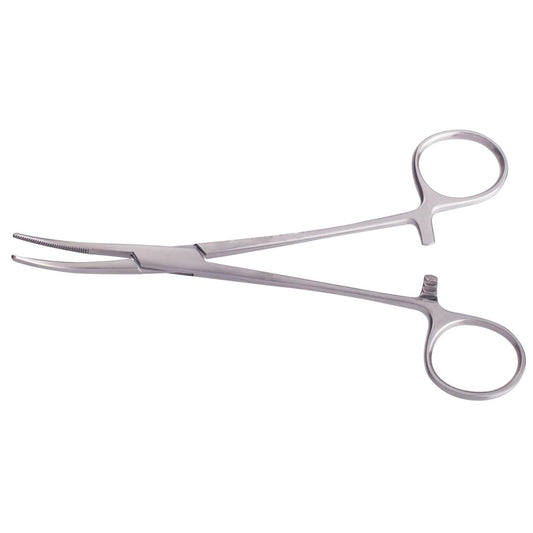
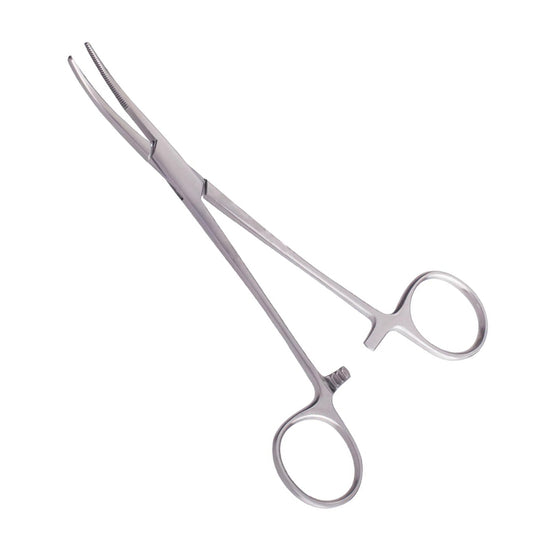
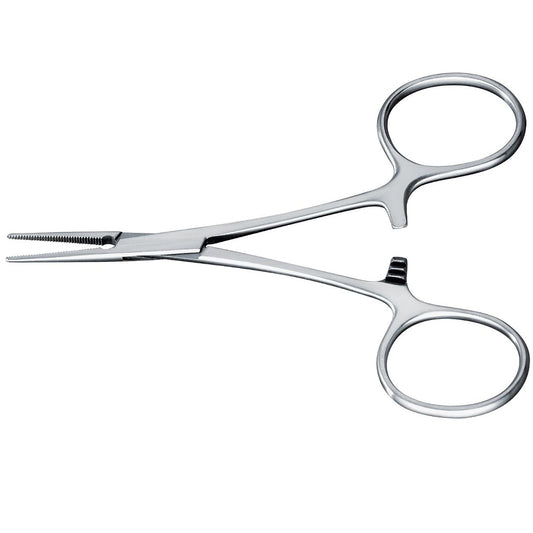
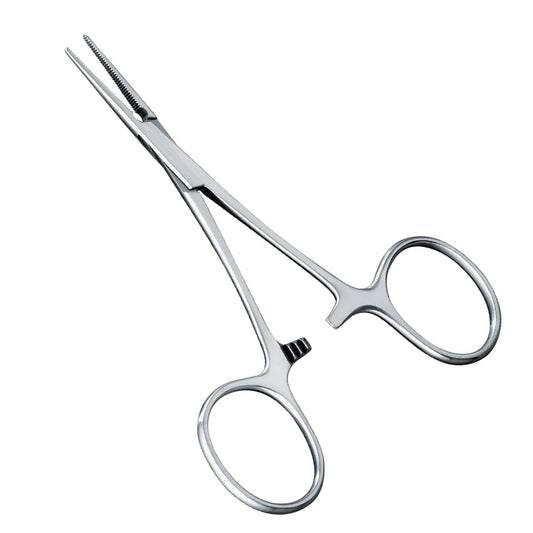
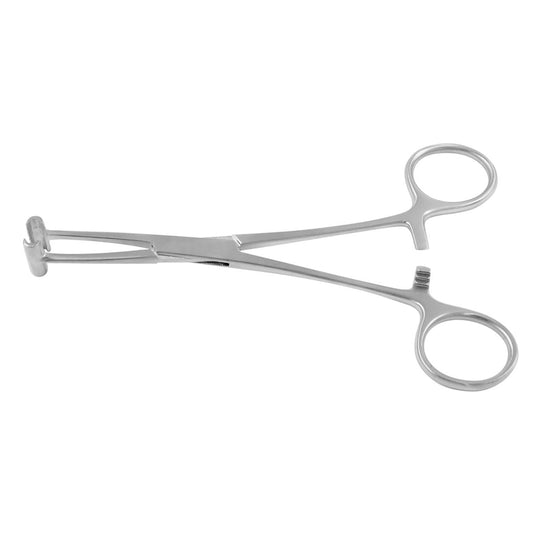
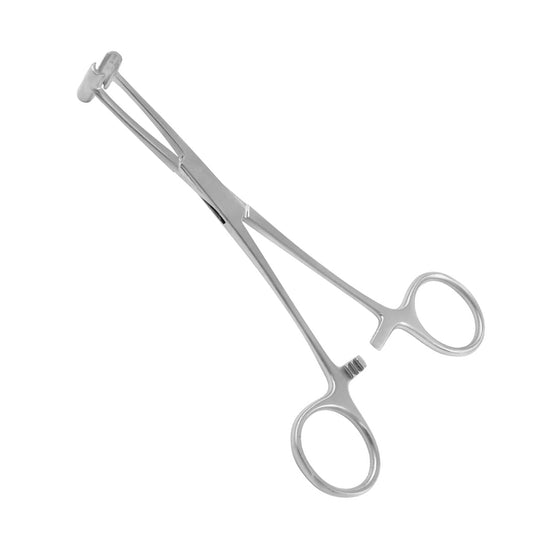
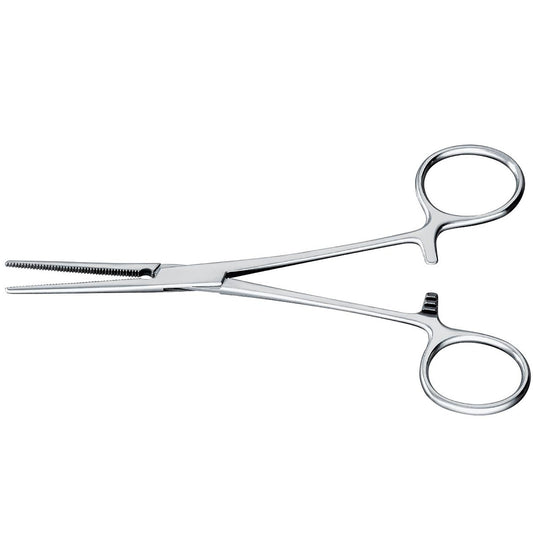
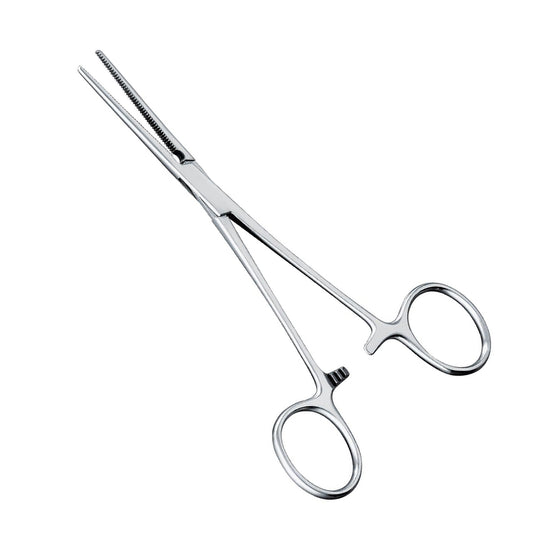
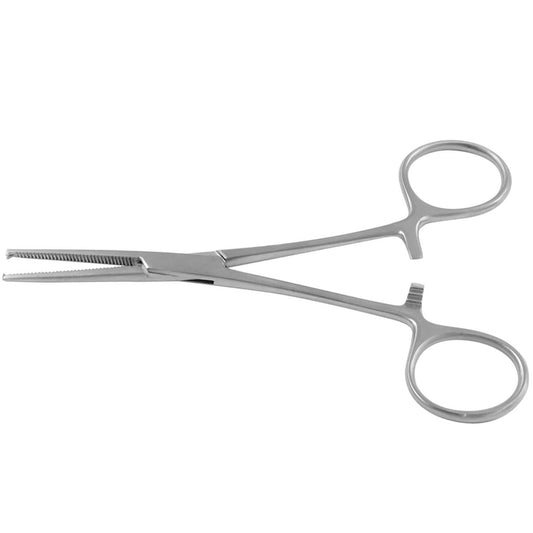
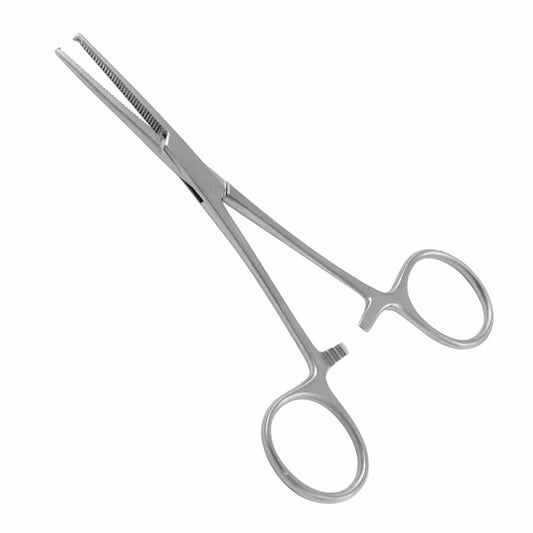
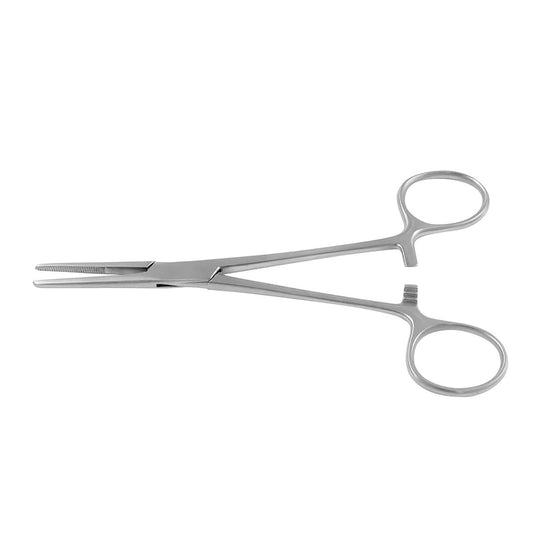
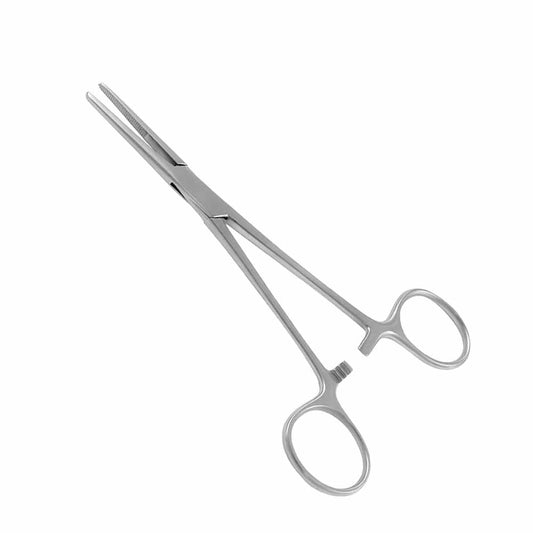
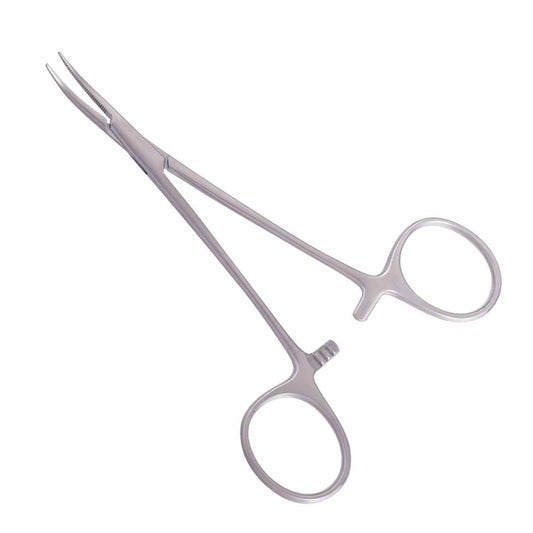
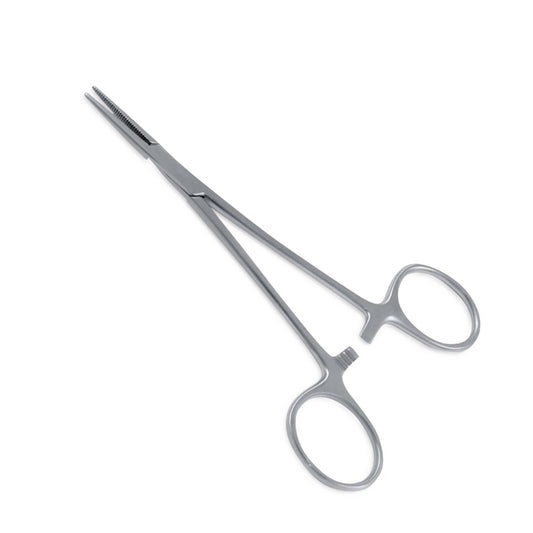
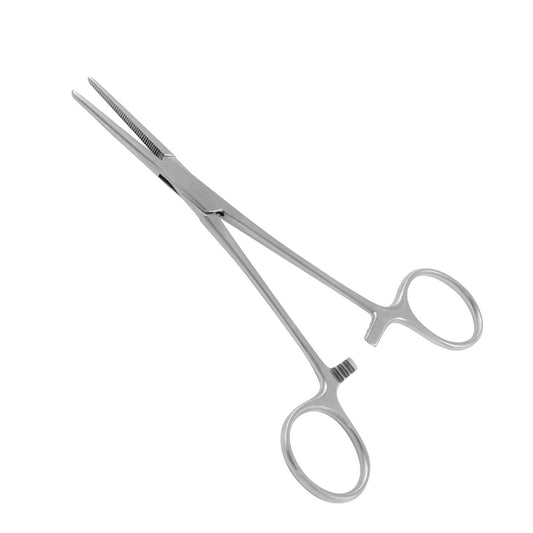
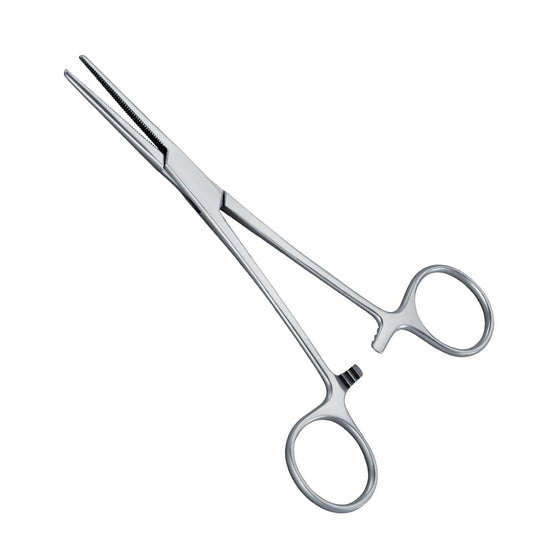
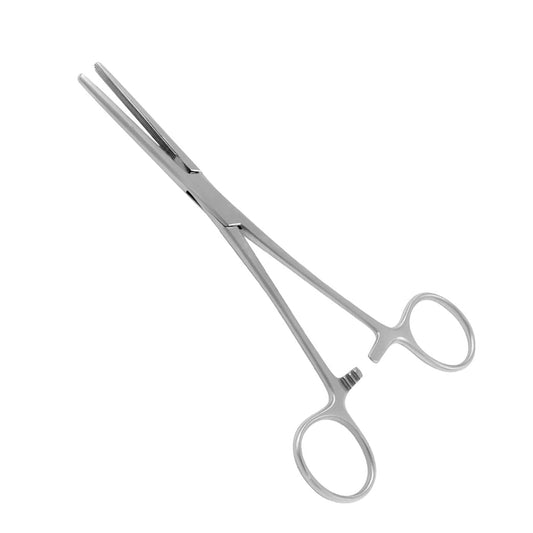
Peak Surgicals levert herbruikbare hemostaten volgens elk standaardpatroon - Kelly, Crile, Halsted mosquito, Pean, Carmalt, Kocher en Ochsner - met rechte en gebogen bekken. Dit zijn vergrendelende chirurgische hemostaten gemaakt van Duits roestvrij staal, met een doosscharnier en ratel die een afgeklemd vat vasthoudt zonder handdruk. Elke hemostatische tang in dit assortiment is CE-gemarkeerd en geproduceerd onder ISO 13485.
Beschikbare hemostaatpatronen
Een hemostaat, of hemostatische tang, is een instrument met een ratel dat een bloedend vat dichtklemt en in positie vergrendelt, waardoor het wordt vastgehouden zonder de hand van de chirurg totdat het vat wordt afgebonden, gecauteriseerd of vrijgegeven.
Kelly en Crile zijn de twee standaard patronen van gemiddelde grootte, gekenmerkt door karteling: Crile-bekken zijn meestal over de gehele werklengte gekarteld, terwijl Kelly-bekken meestal alleen aan het distale uiteinde kartels hebben. Halsted Mosquito en Jacobson Mosquito tangen zijn de fijne patronen voor kleine vaten in oppervlakkig weefsel. Pean en Pean Micro hebben transversale kartels op een zwaardere bek. Carmalt combineert longitudinale kartels met een dwarsgekartelde tip, een configuratie die vaak wordt gebruikt voor veilige pedikelklemmen. Kocher en Ochsner zijn de getande patronen, met in elkaar grijpende tanden aan de tip voor dicht weefsel. Rankin, Coller, Meeker, Providence Hospital en Pratt Smith maken het assortiment compleet.
Voor een volledig overzicht van elk patroon en wanneer het te gebruiken, zie onze gids over de soorten hemostaten.
Bekontwerpen en vergrendelingsmechanismen
Vertanding bepaalt de grip. Transversale vertanding over de gehele bek verdeelt de grip gelijkmatig over een afgeklemd vat; gedeeltelijke vertanding concentreert het naar de tip; longitudinale vertanding wordt gebruikt wanneer een pedikel anders in de lengterichting uit de bek zou glijden. Getande patronen voegen in elkaar grijpende tanden toe aan de tip voor weefsel dat alleen met vertanding niet kan worden vastgehouden.
Het doosscharnier en de ratel onderscheiden vergrendelende hemostatische tangen van niet-vergrendelende pincetten. De ratel moet soepel aangrijpen en loslaten, terwijl het doosscharnier zonder overmatige zijdelingse speling moet functioneren. Instrumenten moeten worden geïnspecteerd volgens de IFU van de fabrikant en het protocol van de instelling.
De juiste hemostaat kiezen
Werk het in volgorde af: de grootte van het vat bepaalt de bek, de diepte van het werkveld bepaalt de lengte, en de toegang beslist of het recht of gebogen moet zijn. Rechte bekken zijn geschikt voor oppervlakkig werk waar de bloeder recht voor u zit. Gebogen bekken laten de punt om een structuur heen reiken en houden de handgreep uit uw gezichtslijn, daarom zijn beide in alle bovengenoemde patronen leverbaar.
Een mug in een diep bekken is net zo verkeerd als een Carmalt op een subcutane bloeder. Als u een dienblad samenstelt in plaats van een enkel instrument te vervangen, vertel ons dan de procedure en wij stellen een patroonmix samen.
Herbruikbare roestvrijstalen hemostaten
Alle patronen zijn gemaakt van Duits roestvrij staal en zijn CE-gemarkeerd en gebouwd volgens ISO 13485. Ze worden niet-steriel geleverd en moeten voor klinisch gebruik worden gereinigd en gesteriliseerd. Reinig onmiddellijk na gebruik, zodat bloed niet in het doosslot vastkoekt, en beweeg de ratel tijdens het reinigen over zijn volledige bereik.
Bulk- en OEM-aanvragen zijn beschikbaar voor in aanmerking komende bestellingen. Zie ook ons volledige assortiment chirurgische tangen en de bredere catalogus van chirurgische instrumenten. Neem contact met ons op voor prijzen of een geconfigureerd dienblad.
Shop Hemostaten & Hemostatische Trefpincetten