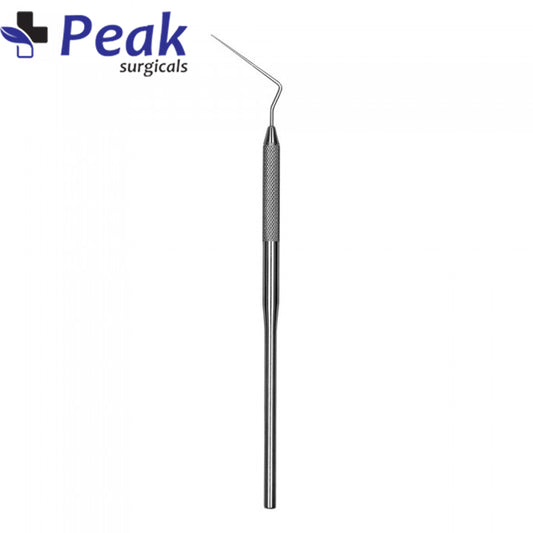
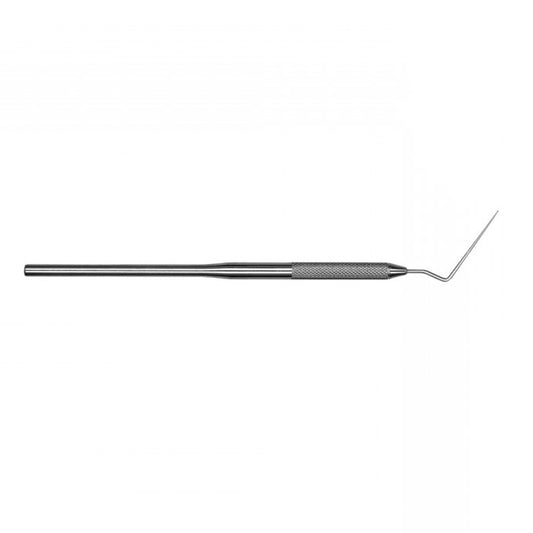
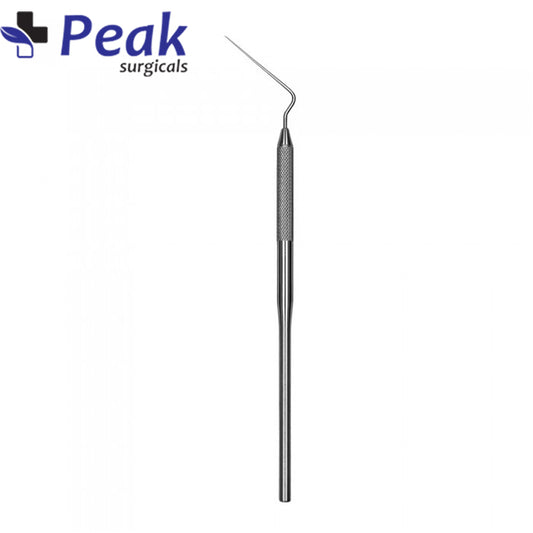
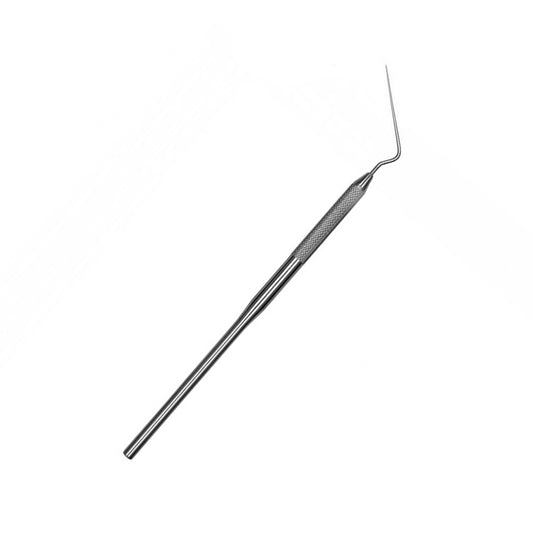
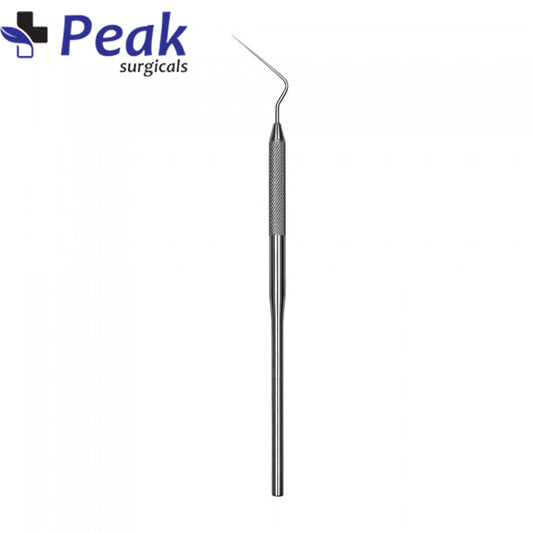
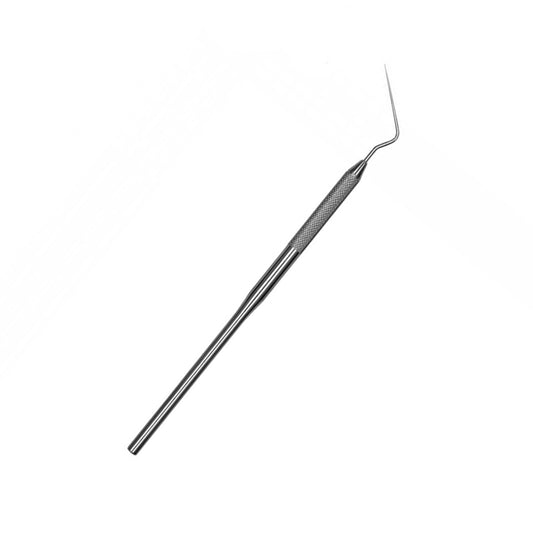
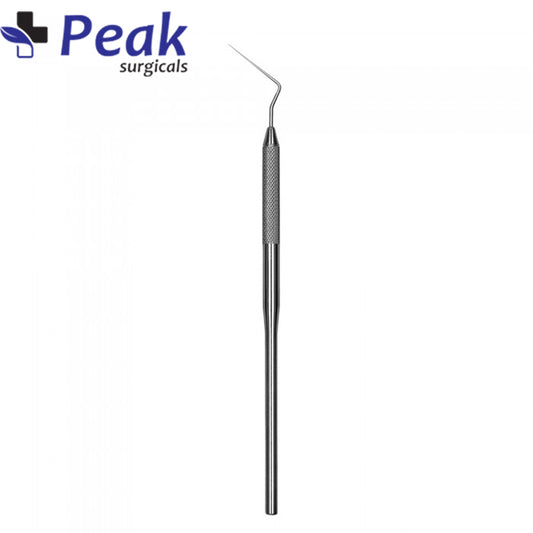
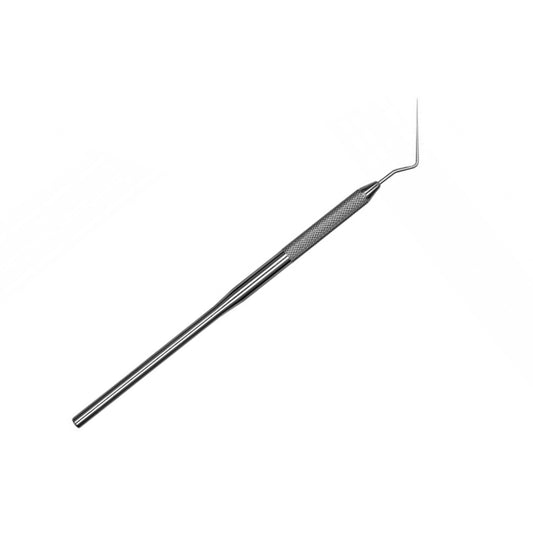
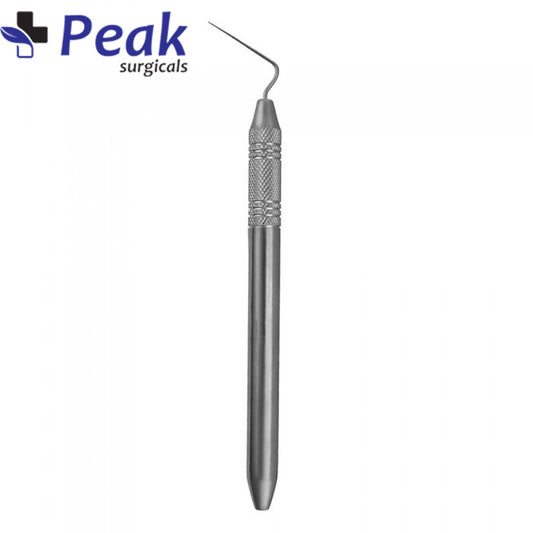
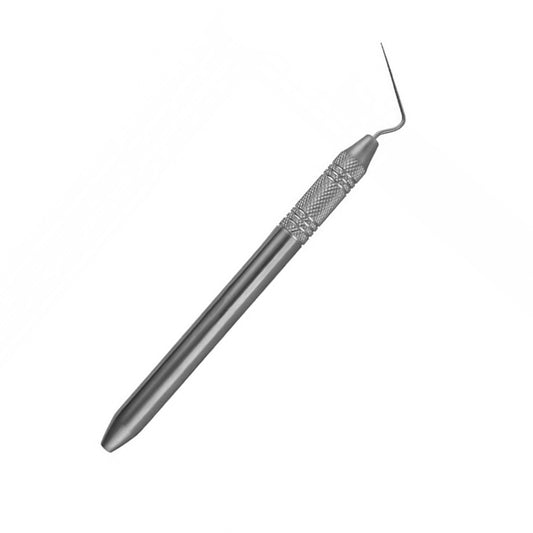
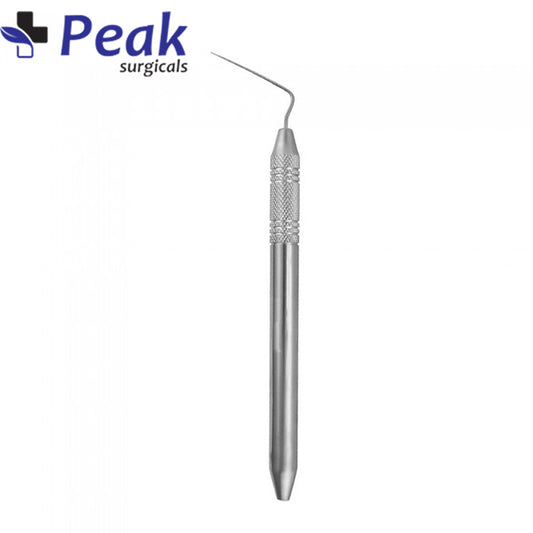
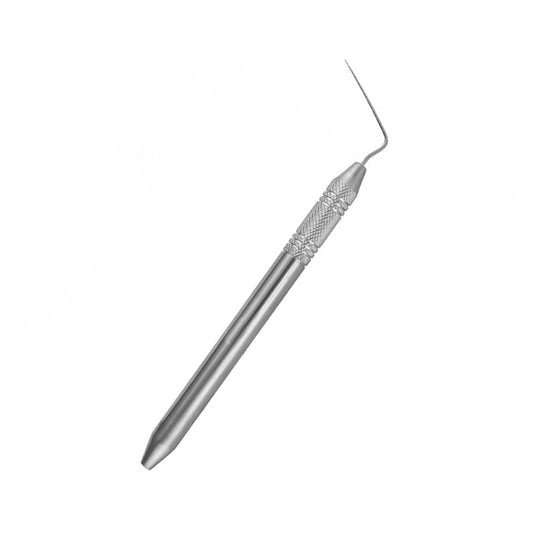
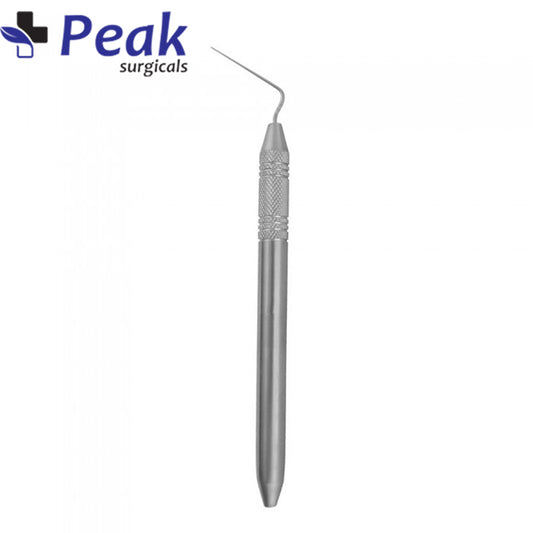
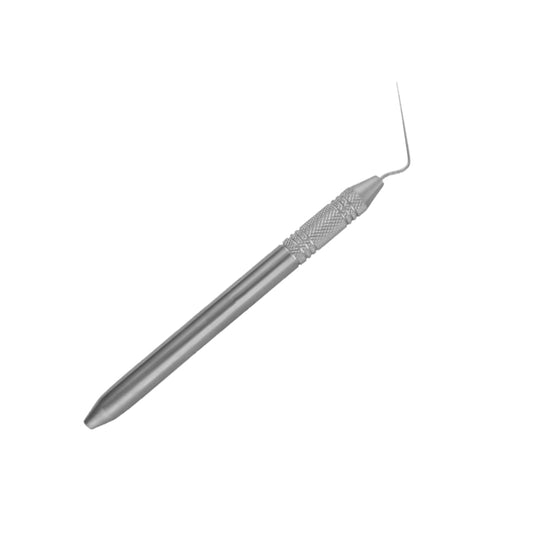
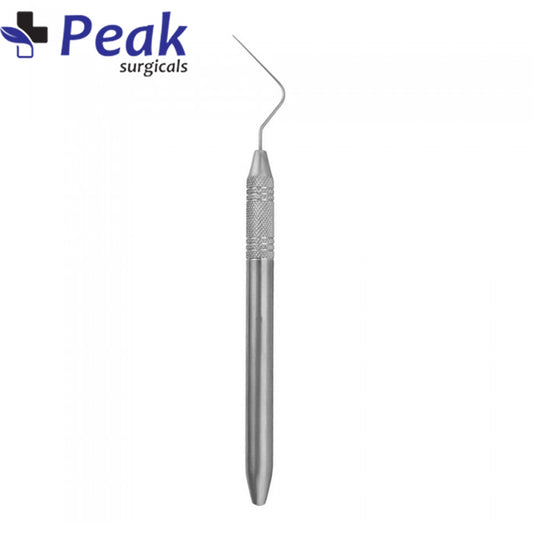
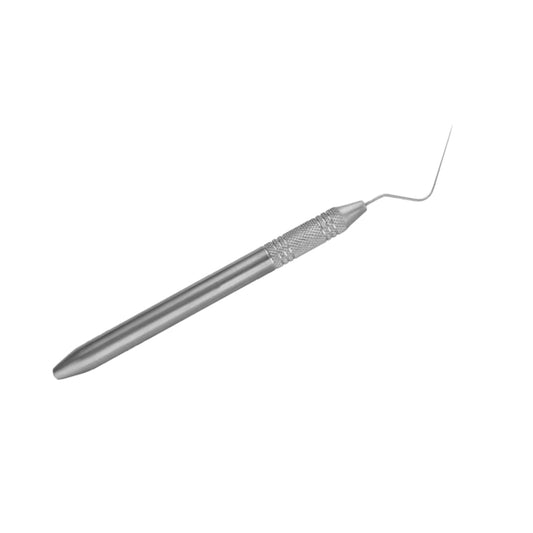
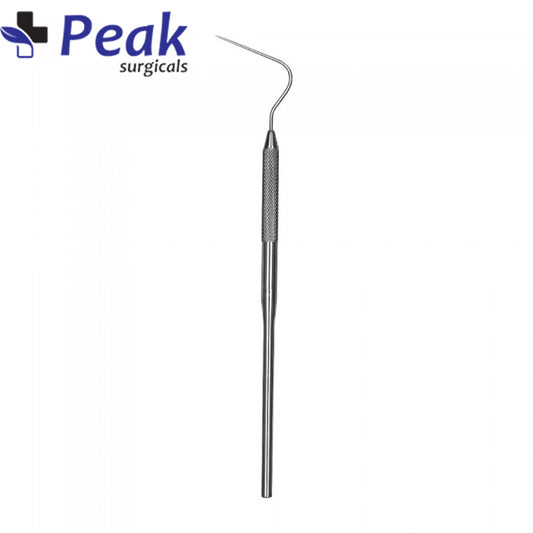
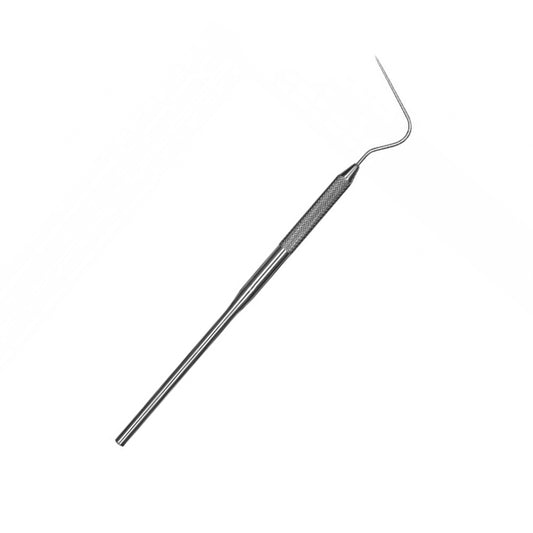
Juurikanavan levittimet luovat tilaa lisäguttaperkkakartioille sivuttaistiivistyksen aikana. Teräväkärkinen kärki työnnetään pääkartion rinnalle, mikä erottaa levittimen litteäkärkisestä tiivistimestä, jota käytetään pystysuoraan tiivistykseen. Peak Surgicals toimittaa yhdeksän mallia 0,20 mm:stä 0,55 mm:iin kärjillä saksalaisesta ruostumattomasta teräksestä, hintaan 3,63–11,00 dollaria. Jokainen on CE-merkitty ja valmistettu ISO 13485 -standardin mukaisesti. Vertaa kaikkia yhdeksää levitintä alla olevassa taulukossa.
Levitin vai tiivistin: kumpi kumpaan tekniikkaan?
Levittimessä on terävä, kapeneva kärki, joka kiilataan pääkartion rinnalle avaamaan sivuttaistilaa lisäkartioille, kun taas tiivistimessä on litteä kärki, joka tiivistää guttaperkan pystysuoraan kohti kärkeä. Terävä vs. litteä kärki on koko erottelu, ja se päättää obturaatiotekniikan. Kylmä sivuttaistiivistys on levittimen tekniikka; lämmin pystysuora tiivistys on tiivistimen tekniikka.
Sivuttaistiivistyksessä levitin sovitetaan etukäteen 1–2 mm työpituudesta ennen obturaation aloittamista. Kun pääkartio on paikallaan, levitin työnnetään sen rinnalle, kiilataan kartio kanavan seinämää vasten ja avataan kanava; poistettaessa lisäkartio asetetaan kyseiseen kanavaan, ja sykli toistuu, kunnes kanava on täytetty. Kärjen kapenemisella on merkitystä tässä. Lisäkartio, joka on suurempi kuin levittimen kapeneminen, tuottaa tyhjiä tiloja, joten kartio ja levitin sovitetaan yhteen. MA57 (PS-D-103), GP2 (PS-D-101) ja GP3 (PS-D-102) levittimet ovat määriteltyjä ISO-kartiomaisuuksia alkaen 0,20 mm, kun taas posteriorinen levitin (PS-D-095, 0,55 mm) on kulmikas varrella molaaripääsyä varten. Yksipäinen 40S-malli (PS-D-099, 3,63 $) on lähtökohta. Toimitamme jokaisen mallin MOQ 1 -määrällä.
Kärjen kapeneminen, työpituus ja istuvuus
Kärjen kapeneminen on spesifikaatio, joka säätelee täyttöä. Levitin, joka on esisovitettu 1–2 mm lyhyemmäksi kuin työpituus, määrittää, kuinka syvälle lisäkartiot asettuvat, ja kapeneminen määrittää, kuinka paljon sivuttaistilaa kukin kulku avaa – liian aggressiivinen kapeneminen kiilaa pääkartion tiukasti seinämää vasten ja aiheuttaa vertikaalisen juurimurtuman riskin, liian hieno kapeneminen avaa riittämättömästi tilaa ja jättää tyhjiä tiloja. Tässä esitetty 0,20 mm – 0,55 mm alue kattaa hienon apikaalisen työn leveämpään koronaaliseen tiivistykseen.
Sormilevittimet, lyhytvartiset, sormilla ohjattavat instrumentit, antavat taktiilisen palautteen, josta lateraalinen tiivistys riippuu, antaen käyttäjän tuntea vastuksen ja pysähtyä ennen liiallista kiilaamista. Varren pituus ja kulma määräävät ulottuvuuden: suorat mallit toimivat etu- ja välihampaiden kanavissa, kun taas posteriorisen mallin kulmikas varsi raivaa tilaa vastakkaiseen kaareen molaarien pääsyä varten. Työskentelypään merkinnät vahvistavat syvyyden radiografista työpituutta vasten. Tekniikka on hallittua asettamista, ei voimaa. Levittimellä avataan tilaa, se ei ohjaa täyttöä.
Uudelleenkäsittely, kärjen eheys ja sertifiointi
- Vaihtoehdon valinta päivittää koko sivun.
- Avaa uuden ikkunan.