Το καλάθι σας είναι κενό
Συνέχιση αγορώνΈχετε λογαριασμό;
Συνδεθείτε για ταχύτερη ολοκλήρωση των αγορών σας.

Επιλεγμένη Συλλογή
Το καλάθι σας
Το καλάθι σας είναι κενό
Συνέχιση αγορώνΈχετε λογαριασμό;
Συνδεθείτε για ταχύτερη ολοκλήρωση των αγορών σας.
Επιλεγμένη Συλλογή

PEAK SURGICALS
SKU:PS-J-182
Δεν ήταν δυνατή η φόρτωση της διαθεσιμότητας παραλαβής


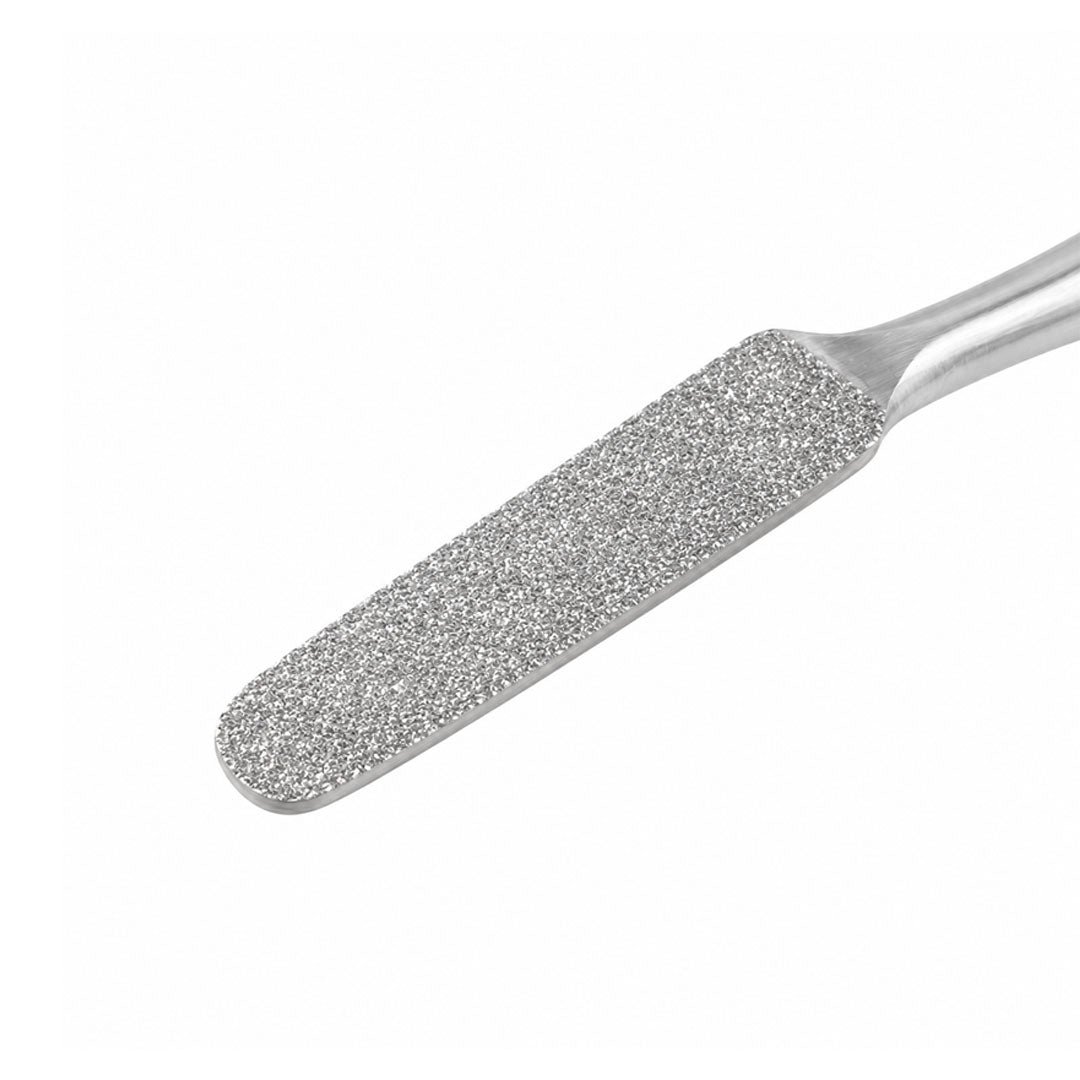
The Lewis Diamond-Coated Dental Rasp is a specialized veterinary dental instrument designed for tooth filing, contouring, and the management of dental malocclusion in small rodents. Featuring a fine diamond-coated abrasive surface, a narrow working head, and an elongated handle, this instrument is intended for controlled dental rasping during appropriate veterinary procedures.
Measuring 180 mm (18 cm) in overall length, the modified Lewis Rasp is suitable for selected dental procedures involving small rodents and rabbits. Its fine abrasive working surface provides an alternative to conventional coarse-toothed dental rasps.
The defining feature of the Lewis Dental Rasp is its fine diamond-coated working surface. The abrasive coating is designed for manual filing and contouring of dental surfaces.
Its narrow working end allows the veterinarian to position the rasp against selected tooth surfaces during an appropriate dental procedure.
The amount of tooth reduction and the method of filing depend on the clinical findings, dental anatomy, and veterinary treatment plan.
This instrument features the modified fine Lewis pattern, with an elongated, narrow rasp head positioned at the end of a slender shaft.
The design differs from conventional rasps with pronounced serrated teeth. Its fine diamond-coated surface is intended for controlled abrasive dental work.
The working head should be inspected before use for visible wear, damage, or deterioration of the abrasive surface.
The Lewis Diamond-Coated Rasp measures 180 mm (18 cm) in overall length.
The elongated shaft separates the working end from the handle, providing a dedicated instrument profile for veterinary dental procedures.
The suitability of its length and working-head dimensions depends on the animal's oral anatomy and the planned procedure.
The illustrated instrument features a gold-colored handle with longitudinal grooves and a rounded terminal end.
The grooved surface provides defined contact areas for manual gripping and instrument positioning.
The exact handle material and finish should be confirmed from the supplied instrument's manufacturing specifications.
The Lewis Diamond-Coated Rodent Dental Rasp is intended for selected veterinary procedures involving dental malocclusion.
Malocclusion may cause abnormal tooth contact, irregular wear, or development of sharp dental edges. Veterinary examination is required to determine the appropriate treatment.
When clinically indicated, the rasp may be used to file or contour selected tooth surfaces as part of a veterinarian-directed dental procedure.
The fine abrasive working end is designed for smoothing and shaping selected dental surfaces.
The diamond-coated texture provides a different working profile from dental cutters and coarse-toothed rasps.
Instrument placement, applied pressure, and the extent of tooth reduction must be determined by a qualified veterinary professional.
This Lewis pattern is associated with dental care for small rodents and rabbits. It may be included in a veterinary dental instrument setup with appropriate oral examination tools, cheek dilators, mouth gags, and other dental instruments.
Species suitability depends on the animal's size, oral anatomy, and clinical requirements.
The reference supplier also identifies the Lewis instrument as suitable for tooth or bone rasping.
Use for bone contouring should be limited to applications supported by the manufacturer's instructions and the treating veterinarian's assessment.
Lewis dental rasps are available in different working-surface configurations.
The diamond-coated Lewis Rasp features a fine abrasive surface intended for dental filing and contouring.
The fine-serrated Lewis Rasp uses a serrated working surface rather than diamond coating.
These instrument configurations should be identified separately when selecting veterinary dental instruments.
| Product Name | Lewis Diamond-Coated Dental Rasp |
|---|---|
| Instrument Pattern | Lewis, Modified Fine |
| Reference Catalog Number | 177319 |
| Instrument Type | Veterinary Dental Rasp |
| Overall Length | 180 mm / 18 cm |
| Working Surface | Fine Diamond-Coated Abrasive |
| Working-End Design | Narrow, Elongated Rasp Head |
| Shaft Design | Slim, Metallic Shaft |
| Handle Design | Gold-Colored, Longitudinally Grooved Handle |
| Primary Specialty | Veterinary Dentistry |
| Intended Animals | Small Rodents; Rabbits Where Clinically Appropriate |
| Primary Application | Dental Malocclusion Management and Tooth Contouring |
| Additional Application | Selected Bone Rasping Procedures |
| Unit of Measure | Each |
Before veterinary use, inspect the diamond-coated working surface for visible wear, coating damage, or irregularities.
Examine the rasp head, connecting shaft, and handle for structural integrity and surface defects.
Clean and process the instrument according to its applicable manufacturer instructions and the veterinary facility's validated instrument-reprocessing procedures.
Particular attention should be given to the abrasive working surface during cleaning and inspection.
Do not assume specific sterilization temperatures, processing cycles, or cleaning-agent compatibility without verified product instructions.
Protect the fine diamond-coated working end from mechanical damage during transportation and storage.
Peak Surgicals supplies veterinary surgical and dental instruments for veterinary clinics, animal hospitals, specialist veterinary dentists, distributors, and medical procurement professionals.
For accurate product selection, specify the Lewis Diamond-Coated Dental Rasp, 180 mm, Modified Fine Pattern.
Explore related Small Animal Dental Surgical Instruments for additional veterinary dental tools used in oral examination, tooth treatment, and dental surgery.


