Dein Warenkorb ist leer
Weiter shoppenHast du ein Konto?
Logge dich ein, damit es beim Checkout schneller geht.

Ausgewählte Kollektion
Dein Warenkorb
Dein Warenkorb ist leer
Weiter shoppenHast du ein Konto?
Logge dich ein, damit es beim Checkout schneller geht.
Ausgewählte Kollektion

PEAK SURGICALS
SKU:PI-005
Verfügbarkeit für Abholungen konnte nicht geladen werden


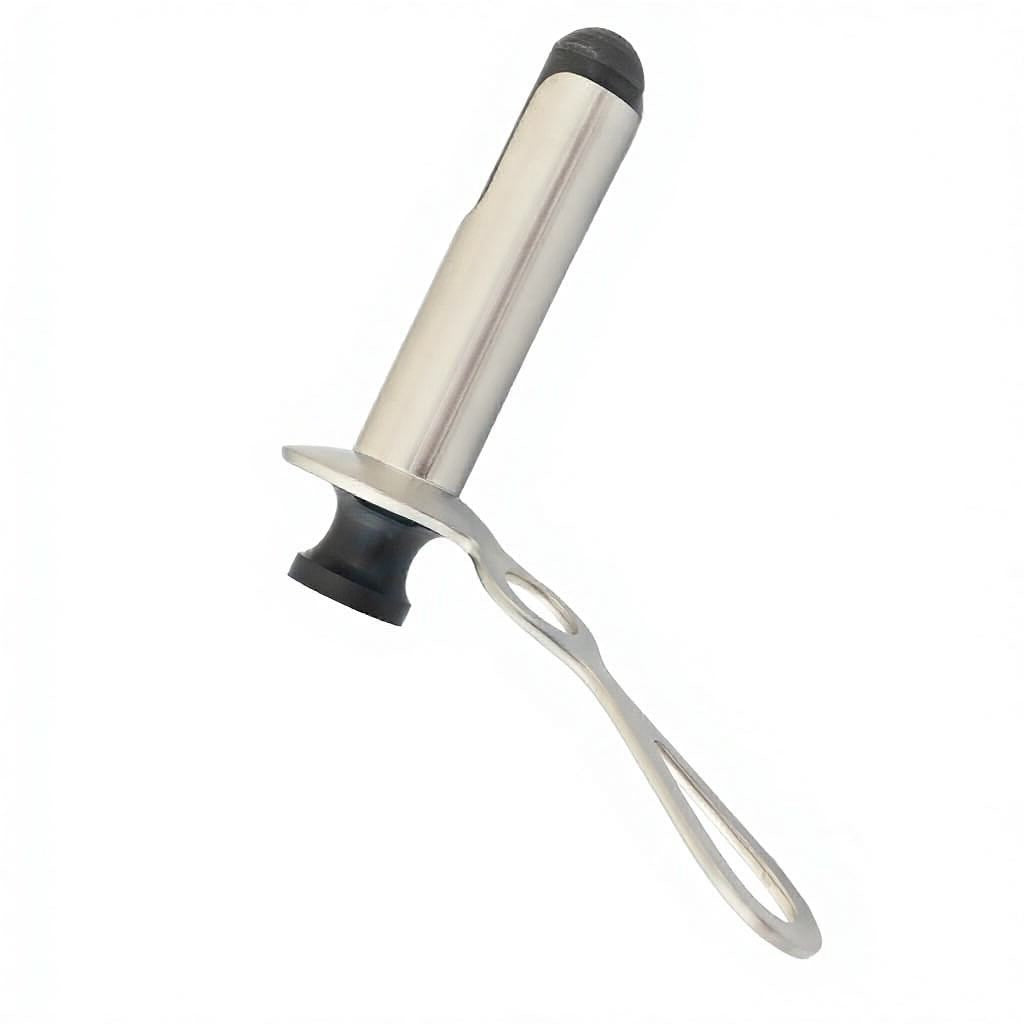
Fansler Proktoskop mit Hartgummi-Obturator, SKU P!-005, ist ein wiederverwendbares manuelles proktologisches Instrument aus deutschem Edelstahl zur direkten Untersuchung des Analkanals und des distalen Rektums. Das Instrument kombiniert ein starres zylindrisches Beobachtungsrohr, einen breiten proximalen Flansch, einen seitlich geschlungenen Griff und einen abnehmbaren Hartgummi-Obturator, der die distale Öffnung während der Einführung verschließt. Der Obturator weist beim Vorschieben des Spekulums durch den Analkanal ein abgerundetes Führungsprofil auf; nach der Positionierung wird er zurückgezogen, um ein ungehindertes Lumen für Inspektion, Abstrich, Saugzugang oder die Passage schlanker diagnostischer Zubehörteile zu schaffen. Das feste Rohr sorgt für einen stabilen Sichtkorridor ohne Klingen-Expansionsmechanismus, während der Griff eine kontrollierte Vorschiebung, Rotation, Stabilisierung und schrittweisen Rückzug ermöglicht. Kolorektale Chirurgen, Allgemeinchirurgen, Proktologen und Teams für gastrointestinale Eingriffe verwenden das Fansler-Muster für Proktoskopie, Anoskopie, Hämorrhoidenbeurteilung, Evaluation rektaler Blutungen, Inspektion von Analfissuren, Lokalisation von Fistelöffnungen, Untersuchung distaler rektaler Läsionen, Biopsiezugang und postoperative Kontrollen nach Hämorrhoidektomie, Fistulotomie, Fissur-Chirurgie oder lokalen anorektalen Eingriffen. Es ist für Krankenhaus-Operationssäle, kolorektale Kliniken, ambulante Operationszentren und Behandlungsräume vorgesehen, die ein wiederverwendbares starres anorektales Untersuchungsgerät benötigen.
Das Fansler-Muster funktioniert als Proktoskop mit festem Lumen und nicht als expandierendes Rektalspekulum. Sein gerades zylindrisches Rohr schafft einen definierten Untersuchungskanal durch den Analkanal und verhindert, dass umliegendes Gewebe vollständig in den Sichtweg kollabiert, während der Operateur die Schleimhaut inspiziert. Vor der Einführung wird der Hartgummi-Obturator in das Rohr eingesetzt, sodass sein abgerundetes distales Ende die offene Metallkante verschließt und eine durchgehende Führungsfläche bildet. Diese Geometrie reduziert das Einhaken der Schleimhaut während des Vorschiebens und hilft dem Chirurgen, die Anordnung unter kontrolliertem Druck zu führen. Sobald die gewünschte Tiefe erreicht ist, wird der Obturator zurückgezogen und die Bohrung steht für die direkte Betrachtung und den Durchgang kompatibler Zubehörteile zur Verfügung. Der breite proximale Flansch bleibt außerhalb des Kanals als externe Positionsreferenz und hilft, unbeabsichtigtes Vorschieben zu begrenzen. Ein seitlich geschlungener Griff ragt vom Lumen weg und gibt dem Operateur Hebelwirkung für Rotation, Richtungsanpassung, Stabilisierung und allmählichen Rückzug, ohne den Sichtzugang zu verdecken. Da es keinen Sperr-, Dreh- oder Klingenöffnungsmechanismus gibt, wird die Exposition durch den festen Innendurchmesser des Rohrs bestimmt. Die glatt polierte Bohrung unterstützt auch die reflektierte Beleuchtung von einer externen Lichtquelle und schafft einen geraden Weg für Abstriche, Saugerspitzen oder schlanke Biopsieinstrumente.
Für die routinemäßige Proktoskopie wird der Obturator vollständig in das geschmierte Rohr eingesetzt, bevor die Baugruppe durch den Anus eingeführt wird. Nachdem das Proktoskop positioniert ist, wird der Einsatz entfernt und der Chirurg inspiziert den Analkanal, den Bereich der Linea dentata, die inneren Hämorrhoidalpolster und die zugängliche distale Rektalschleimhaut, während er das Rohr in einer kontrollierten Reihenfolge dreht und zurückzieht. Bei der Hämorrhoidenbeurteilung ermöglicht diese Technik die Identifizierung von Prolaps, Kongestion, Brüchigkeit, Ulzerationen, thrombosiertem Gewebe sowie aktiven oder kürzlich aufgetretenen Blutungen. Bei Patienten mit Hämatochezie oder lokalisierten anorektalen Blutungen unterstützt der starre Korridor die Beurteilung distaler Schleimhautläsionen, traumatischer Verletzungen, postoperativer Stellen und entzündeten Gewebes. Bei Verdacht auf eine Analfistel kann eine direkte Inspektion helfen, eine innere Öffnung vor dem Sondieren, der Bildgebungskorrelation oder der operativen Behandlung zu lokalisieren. Sichtbare Anomalien im unteren Rektum können auch durch das Lumen mit schlanken Biopsiezangen oder Abstrichen bei Bedarf beprobt werden. Nach Hämorrhoidektomie, Fistulotomie, Fissurektomie oder lokaler anorektaler Exzision kann dasselbe Instrument zur Nachuntersuchung von heilenden Oberflächen, anhaltenden Blutungen, Narbenbildung, stenotischen Veränderungen oder rezidivierenden Pathologien verwendet werden. Sein manuelles Design mit festem Rohr ist für Klinik-, OP- und ambulante Behandlungsabläufe geeignet, bei denen eine direkte anorektale Visualisierung ohne ein expandierendes Klingensystem erforderlich ist.
Diese Konfiguration wird primär durch ihren starren Spekulumkörper und den abnehmbaren Hartgummi-Obturator definiert und nicht durch eine mitgelieferte Größenreihe. Das zylindrische Edelstahlrohr ist die Arbeitskomponente: Es hält den Untersuchungskorridor aufrecht, leitet die Sichtlinie und bietet einen geschützten Weg für kompatible Abstriche, Saugerspitzen oder schlanke Biopsiezubehörteile. Der Hartgummi-Obturator ist die Einführkomponente. Sein abgerundetes Endprofil deckt die distale Öffnung ab, während die Baugruppe durch den Analkanal geführt wird, und trennt sich dann vom Spekulum, wenn die Visualisierung beginnt. Der proximale Flansch markiert den externen Eingang und bietet eine breite Handhabungsreferenz während der Positionierung. Der geschlungene seitliche Griff gibt dem Operateur einen sicheren Punkt für die Rotationskontrolle und den schrittweisen Rückzug, während das Lumen frei bleibt. Diese Komponentenanordnung ist klinisch nützlich, wenn das Ziel eine direkte proktoskopische Inspektion und keine einstellbare laterale Retraktion ist. Die Wahl des Fansler-Musters basiert daher auf der Notwendigkeit eines geraden, kalibrierten Sichtkanals mit einem abnehmbaren, atraumatischen Einführungsprofil. Für die Hämorrhoidenbeurteilung, die Fissurenkontrolle, die Fistelbeurteilung, die Untersuchung des unteren Rektums oder die postoperative Überwachung wird der Obturator nur während der Einführung verwendet; der tubuläre Körper bleibt für den diagnostischen Teil des Verfahrens an Ort und Stelle. Die abnehmbare Konstruktion ermöglicht auch die Trennung der Patientenkontaktkomponenten zur Reinigung, Inspektion und Sterilisation zwischen den Fällen.
Deutscher Edelstahl verleiht dem Proktoskopkörper die erforderliche Steifigkeit, um seine tubuläre Geometrie bei wiederholtem klinischem Gebrauch zu erhalten, während er durch routinemäßige Dekontaminationszyklen Korrosionsbeständigkeit bietet. Die polierte Oberfläche schafft glatte Patientenkontakt- und Innenflächen, reduziert die Reibung bei der Einführung und unterstützt die Entfernung von Blut, Schleim, Gleitmittel und Geweberesten bei der Reinigung. Die Wiederaufbereitung beginnt unverzüglich nach Gebrauch, indem der Hartgummi-Obturator vom Metallkörper getrennt und jede Komponente einzeln gereinigt wird. Das Lumen sollte gebürstet und gespült, die Außenflächen gewaschen und der Flansch, die Griffverbindung, der distale Rand und die Obturatoroberflächen auf verbleibende Verunreinigungen, Verformungen, Risse oder Abnutzung überprüft werden. Nach dem Spülen und vollständigen Trocknen sollten die Teile einem validierten Sterilisationsverfahren unterzogen werden, das sowohl mit deutschem Edelstahl als auch mit dem wiederverwendbaren Hartgummieinsatz kompatibel ist, bevor sie gelagert oder in den klinischen Bestand zurückgeführt werden. Die CE-Kennzeichnung unterstützt die entsprechenden Konformitätsdokumente, während ISO 13485 das Qualitätsmanagementsystem für Medizinprodukte identifiziert, das die kontrollierte Herstellung und Rückverfolgbarkeit regelt. Für die Beschaffung in den Vereinigten Staaten erfordert die FDA-konforme Beschaffung die relevanten Lieferanten-, Geräte-, Etikettierungs-, Import- und Einrichtungsdokumente, die für die Transaktion gelten. Peak Surgicals unterstützt die Beschaffung durch Krankenhäuser und Händler mit einer einjährigen Garantie, einem Mindestbestellwert von einem Stück, OEM- und Private-Label-Bestellungen sowie Rückgabe- oder Ersatz-After-Sales-Support.
| SKU | P!-005 |
|---|---|
| Produktname | Fansler Proktoskop mit Hartgummi-Obturator |
| Preis | $36.00 USD |
| Größen-/Stärkenvarianten | Einzelne Fansler-Konfiguration mit starrem Röhrenproktoskop und abnehmbarem Hartgummi-Obturator |
| Instrumentenkategorie | Proktologie-Instrumente / Proktoskope |
| Verfahren | Proktoskopie, Anoskopie, Hämorrhoidenbeurteilung, Beurteilung anorektaler Blutungen, Inspektion von Analfissuren, Fistelbeurteilung, distale Rektumuntersuchung und postoperative Nachkontrolle |
| Material | Deutscher Edelstahl mit Hartgummi-Obturator |
| Oberfläche | Spiegelpolierte Edelstahloberfläche |
| Sterilisation | Wiederverwendbar; validierte Wiederaufbereitung kompatibel mit Edelstahl- und Hartgummikomponenten |
| Instrumentenklassifizierung | Wiederverwendbares manuelles proktologisches Untersuchungsinstrument |
| Wiederverwendbar | Ja |
| Zertifizierungen | CE-gekennzeichnet, ISO 13485 Qualitätssystem, FDA-konforme Beschaffungsdokumentation |
| Garantie | 1 Jahr |
| Mindestbestellmenge (MOQ) | 1 Stück |
| OEM / Sonderbestellungen | Verfügbar für Krankenhäuser, Händler und Eigenmarkenbeschaffung |
| Kundendienst | Rückgabe- und Ersatzunterstützung |
Wie unterscheidet sich das Fansler-Proktoskop von einem Pratt-Rektalspekulum? Das Fansler-Proktoskop mit Hartgummi-Obturator unterscheidet sich von einem Pratt-Rektalspekulum in der Art und Weise, wie die Exposition erzeugt wird. Das Fansler-Design verwendet ein starres, röhrenförmiges Lumen, das einen konstanten kreisförmigen Sichtkorridor aufrechterhält. Ein Pratt-Muster verwendet paarweise Klingen, die zusammen eingeführt und dann seitlich geöffnet werden, um den Analkanal zu spreizen. Der Fansler-Obturator verschließt das distale Rohr während der Einführung und wird vor der Inspektion entfernt, während das Pratt-Muster auf das Annähern und Ausdehnen der Klingen beruht. Das röhrenförmige Muster wird für die zirkumferenzielle proktoskopische Visualisierung und den Durchgang schlanker Zubehörteile durch einen definierten Kanal gewählt. Das Pratt-Muster ist besser geeignet, wenn eine einstellbare seitliche Exposition für die Untersuchung oder den operativen Zugang erforderlich ist.
Wie wird die passende Fansler-Konfiguration für die anorektale Untersuchung ausgewählt? Diese Auflistung wird als einzelne Fansler-Konfiguration und nicht als mehrteilige Größenreihe geliefert. Die Auswahl basiert daher auf der Notwendigkeit eines starren, kalibrierten anorektalen Untersuchungsrohrs mit einem abnehmbaren Einführungs-Obturator. Für die Inspektion des Analkanals bietet das Rohr einen stabilen Korridor zur Beurteilung der Linea dentata, der Hämorrhoidalpolster, Fissuren und inneren Fistelöffnungen. Wenn auch die untere Rektumschleimhaut inspiziert werden muss, führt der Kliniker das Gerät nur bis zu der für die geplante Untersuchung erforderlichen Tiefe vor und führt dann einen kontrollierten Rückzug unter direkter Sicht durch. Ein kürzeres Anoskop wäre vorzuziehen, wenn das Ziel auf den unmittelbaren Analkanal beschränkt ist, während ein längeres Rektoskop gewählt wird, wenn eine proximalere Rektumreichweite erforderlich ist. Das Fansler-Muster ist geeignet, wenn seine Arbeitsgeometrie der routinemäßigen Proktoskopie und der distalen anorektalen Beurteilung entspricht.
Was bedeuten CE-, ISO 13485- und FDA-Anforderungen für die institutionelle Beschaffung? Das Fansler Proktoskop mit Hartgummi-Obturator wird im Rahmen des CE- und ISO 13485-Beschaffungsrahmens von Peak Surgicals geliefert. Die CE-Kennzeichnung unterstützt die geltenden Konformitätsdokumente, die für den regulierten Vertrieb von Medizinprodukten verwendet werden. ISO 13485 identifiziert das Qualitätsmanagementsystem, das die kontrollierte Herstellung, Dokumentation, Rückverfolgbarkeit und Lieferantenprozesse regelt. Der FDA-Beschaffungskontext für Käufer in den Vereinigten Staaten betrifft die relevanten Einrichtungs-, Geräte-, Kennzeichnungs-, Import- und Vertriebsunterlagen, die für die Transaktion erforderlich sind. Krankenhäuser und Händler sollten diese Dokumente in ihren Lieferantenqualifizierungs-, Einkaufs- und Auditdateien aufbewahren. Die drei Rahmenwerke betreffen unterschiedliche regulatorische Funktionen und sollten bei der institutionellen Beschaffung entsprechend verwaltet werden.
Wie werden der Hartgummi-Obturator und der Schlaufengriff bei der Proktoskopie verwendet? Die Hauptbedienelemente sind der abnehmbare Obturator und der seitliche Schlaufengriff und nicht eine Ratsche, ein Drehpunkt oder eine Klingenarretierung. Vor der Einführung wird der Hartgummi-Obturator so in das Rohr eingesetzt, dass sein abgerundetes Ende die distale Öffnung abdeckt. Nachdem das Fansler Proktoskop mit Hartgummi-Obturator positioniert ist, wird der Einsatz zurückgezogen, um das Lumen für die Visualisierung zu öffnen. Der Schlaufengriff gibt dem Operateur dann Hebelkraft zur Stabilisierung, Rotation, Richtungskorrektur und schrittweisen Rückzug, ohne den Sichtzugang zu behindern. Der proximale Flansch dient als externe Positionsreferenz, während der zylindrische Körper im Kanal verbleibt. Diese manuelle Steuerungsanordnung ermöglicht es dem Chirurgen, die Schleimhaut zirkumferenziell zu inspizieren, ohne das Instrument mechanisch zu spreizen.
Wie sollten Krankenhäuser dieses wiederverwendbare Proktoskop aufbereiten und handhaben? Krankenhäuser sollten das Edelstahl-Proktoskop und den Hartgummi-Obturator nach jedem Eingriff als separate Komponenten aufbereiten. Blut, Schleim, Gleitmittel und Gewebereste sollten umgehend entfernt und das röhrenförmige Lumen vor dem Spülen gebürstet und gespült werden. Der distale Rand, der Flansch, die Griffverbindung, die Bohrung und der Gummieinsatz sollten dann auf verbliebene Verunreinigungen, Verformungen, Risse oder Abnutzung überprüft werden. Nach vollständiger Trocknung sollten die Komponenten einem validierten Sterilisationsverfahren unterzogen werden, das mit ihren jeweiligen Materialien und dem Sterilgut-Aufbereitungsprotokoll der Einrichtung kompatibel ist. Das Fansler Proktoskop mit Hartgummi-Obturator sollte vor der Rückgabe in den Bestand auf korrekten Sitz und Oberflächenintegrität überprüft werden. Beschaffungsteams sollten SKU P!-005, Garantie, Lieferanten-, Zertifizierungs- und Nachbestellungsunterlagen für eine nachvollziehbare Bestandsverwaltung aufbewahren.


