Intestinal Instruments
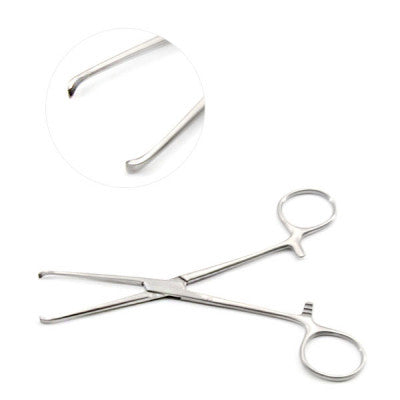
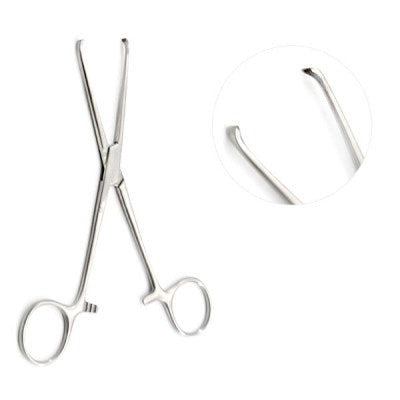
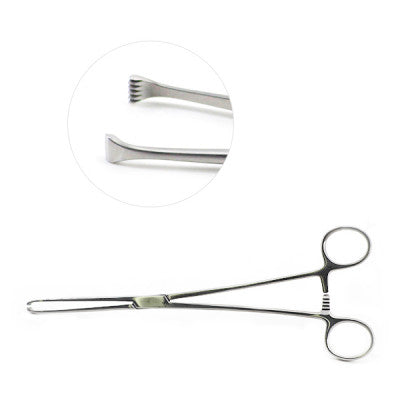
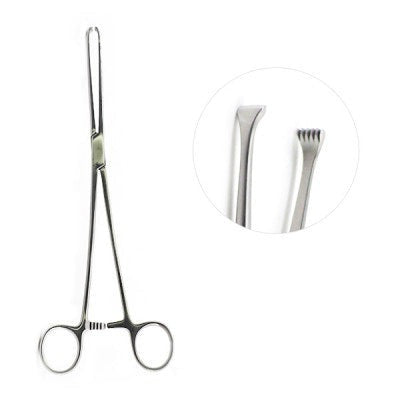
Intestinal instruments are the forceps used in veterinary abdominal surgery to grasp, occlude, and handle bowel and other soft tissue during procedures like enterotomy, intestinal resection and anastomosis, and gastrointestinal foreign body removal. Because bowel tissue is easily traumatized, instrument choice in this category is driven almost entirely by how much crushing force the jaw applies.
What's in This Collection
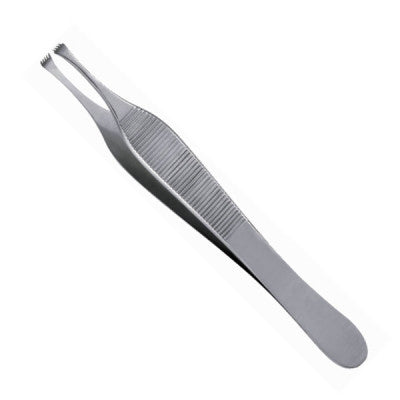
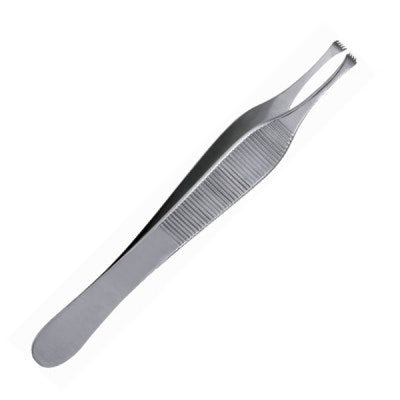
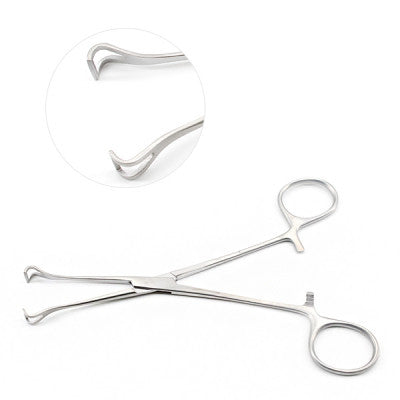
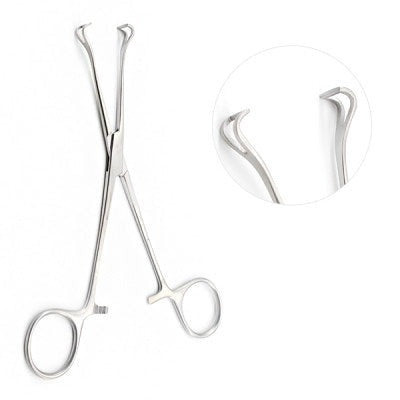
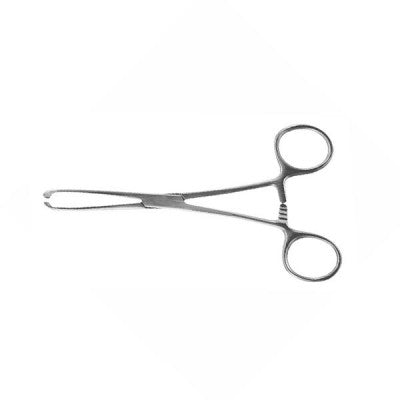
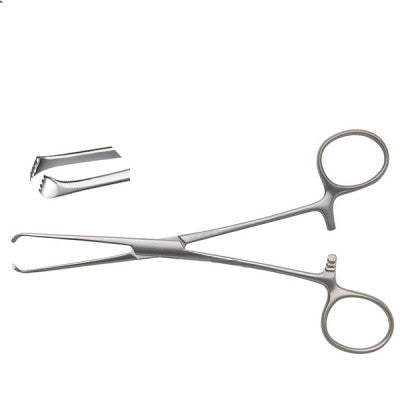
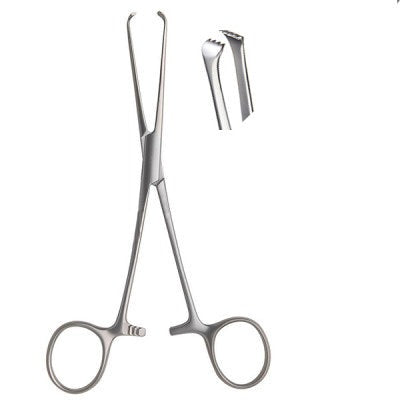
Allis Tissue Forceps (available in 4x5 and 5x6 tooth configurations, plus Baby Allis and Pedifine Allis sizes) use interlocking teeth for a secure, high-grip hold — well suited to tissue that will be excised or discarded, where some tissue trauma at the grasp point isn't a clinical concern. Babcock Intestinal Forceps and the Beasley Babcock Tissue Forceps (Cross Points) take the opposite approach: smooth, fenestrated, rounded jaws designed to hold delicate structures — bowel, reproductive tissue, ureter — without crushing them, making them the standard choice when the grasped tissue needs to remain viable.
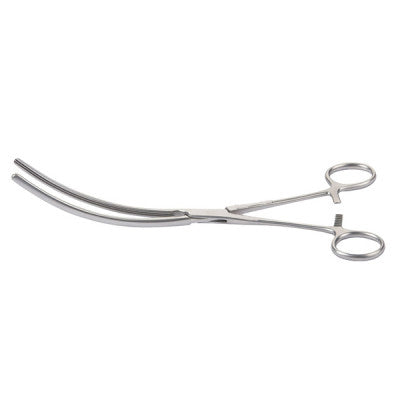
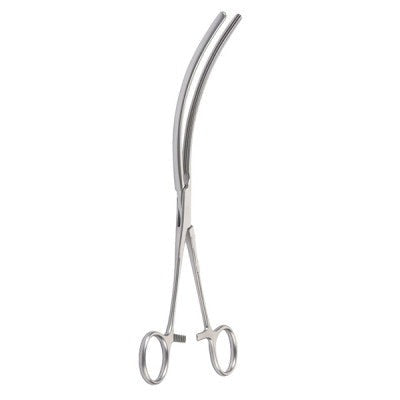
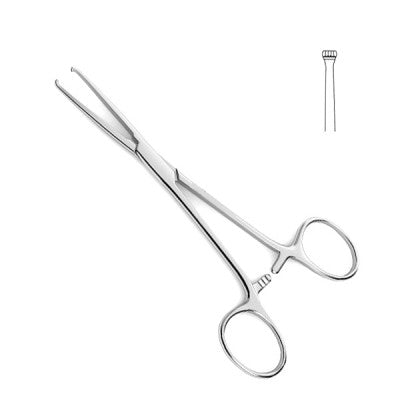
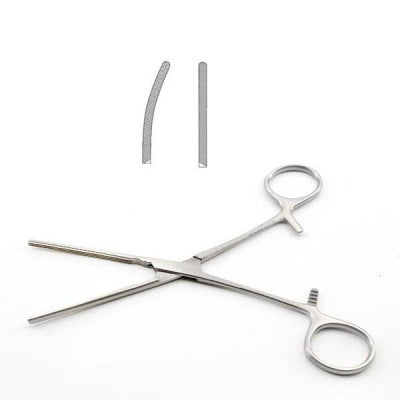
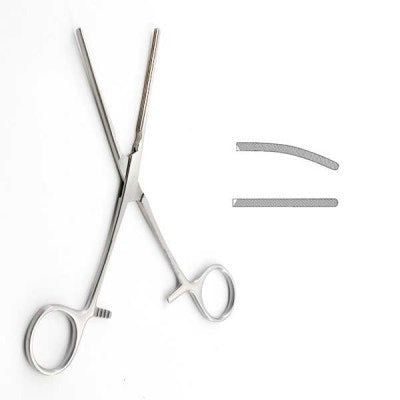
Doyen Intestinal Forceps (standard curved 9-inch, and Baby Doyen for smaller patients or more delicate bowel segments) serve a different function again: their diagonal serrations occlude the bowel lumen to prevent spillage of contents during an enterotomy or resection, while causing less crush injury to the bowel wall than a standard straight crushing clamp would.
Choosing the Right Instrument
The decision usually comes down to what happens to the tissue afterward. Grasping tissue that's being removed or retracted out of the way favors an Allis forceps for its secure grip. Handling tissue that must stay intact and functional favors a Babcock forceps. Occluding a bowel segment before opening it calls for a Doyen forceps rather than either grasping pattern. Size — standard versus baby/pedifine — should match patient size and the delicacy of the tissue involved, with smaller patients and finer structures calling for the baby variants.
Related Instruments
A GI or abdominal procedure tray typically extends well beyond grasping forceps. Pair this collection with Metzenbaum Scissors and Mayo Dissecting Scissors for tissue dissection, Hemostatic Forceps for vessel control, and Atraumatic Forceps for additional gentle tissue handling. Towel Clamps round out draping needs for the same procedures.
To browse the complete small animal surgical range, visit Veterinary Instruments.
Ordering
Peak Surgicals manufactures and supplies veterinary intestinal instruments in bulk for clinics and distributors worldwide, with international shipping and custom logo branding available on request — contact our team for a wholesale quote.
Frequently Asked Questions
What's the difference between an Allis and a Babcock forceps?
An Allis forceps has interlocking teeth for a secure, high-grip hold, suited to tissue being excised or retracted. A Babcock forceps has smooth, rounded, fenestrated jaws designed to hold delicate tissue without crushing it.
What is a Doyen intestinal forceps used for?
A Doyen forceps occludes a segment of bowel before it's opened during an enterotomy or resection, using diagonal serrations that grip without the crush injury of a standard clamp.
When would I use a Baby Doyen instead of a standard Doyen forceps?
A Baby Doyen forceps is sized for smaller patients or more delicate bowel segments where the standard 9-inch pattern would be too large or apply too much occlusive force.
Is an Allis forceps atraumatic?
No. An Allis forceps' interlocking teeth grip securely but can traumatize tissue at the point of contact — it's intended for tissue that's being removed or retracted, not tissue meant to remain viable.
What size Allis forceps should I use?
Tooth configuration (4x5 vs 5x6) and overall size should match the tissue being grasped and patient size — smaller Baby or Pedifine variants suit finer tissue or smaller patients, while standard sizes suit routine abdominal work.