Featured Collection
Your cart
Featured Collection

PEAK SURGICALS
SKU:
Couldn't load pickup availability
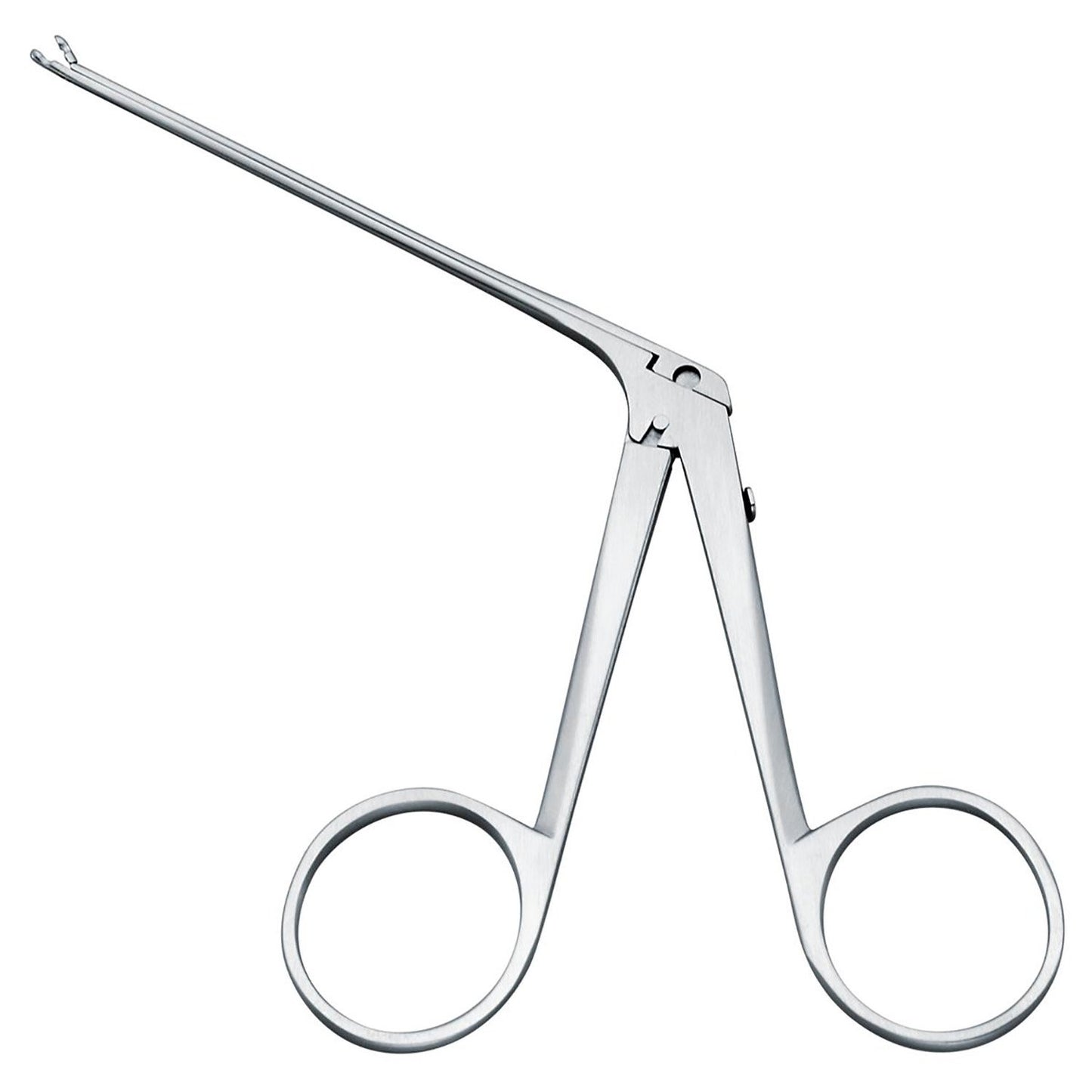
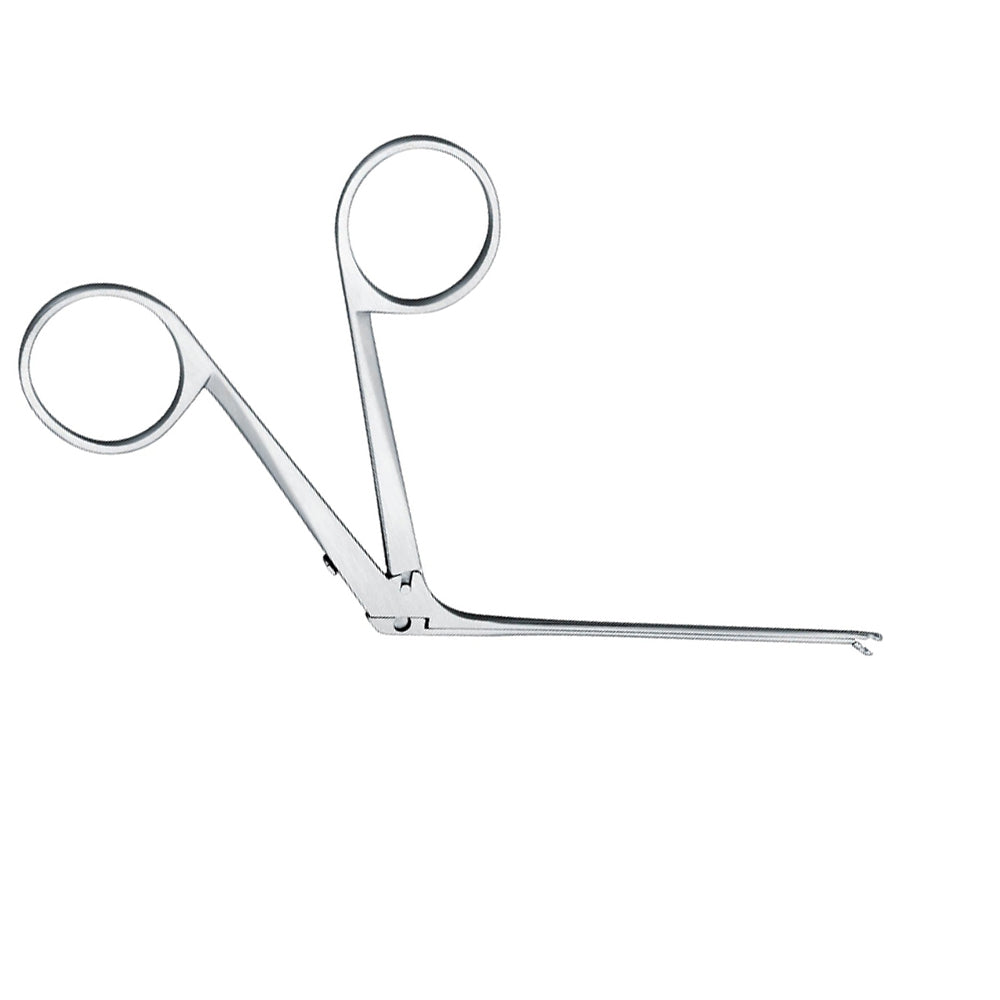
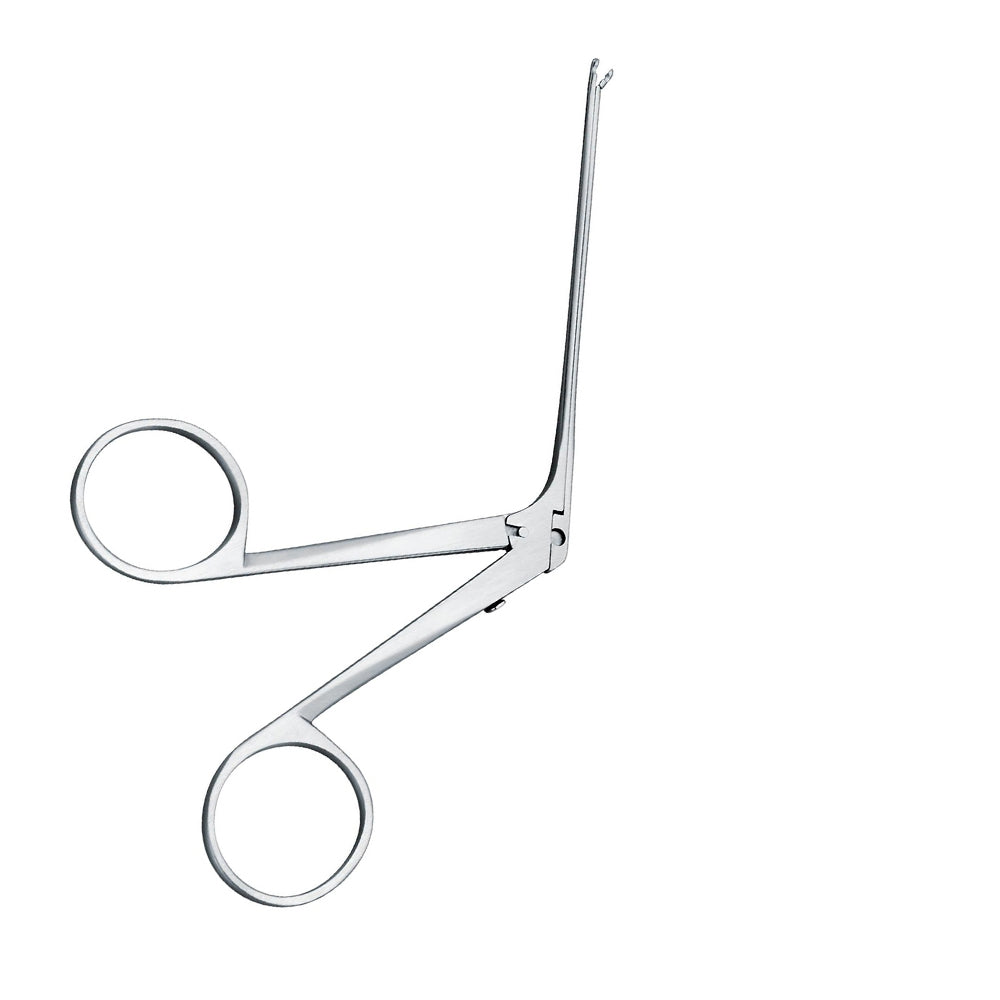
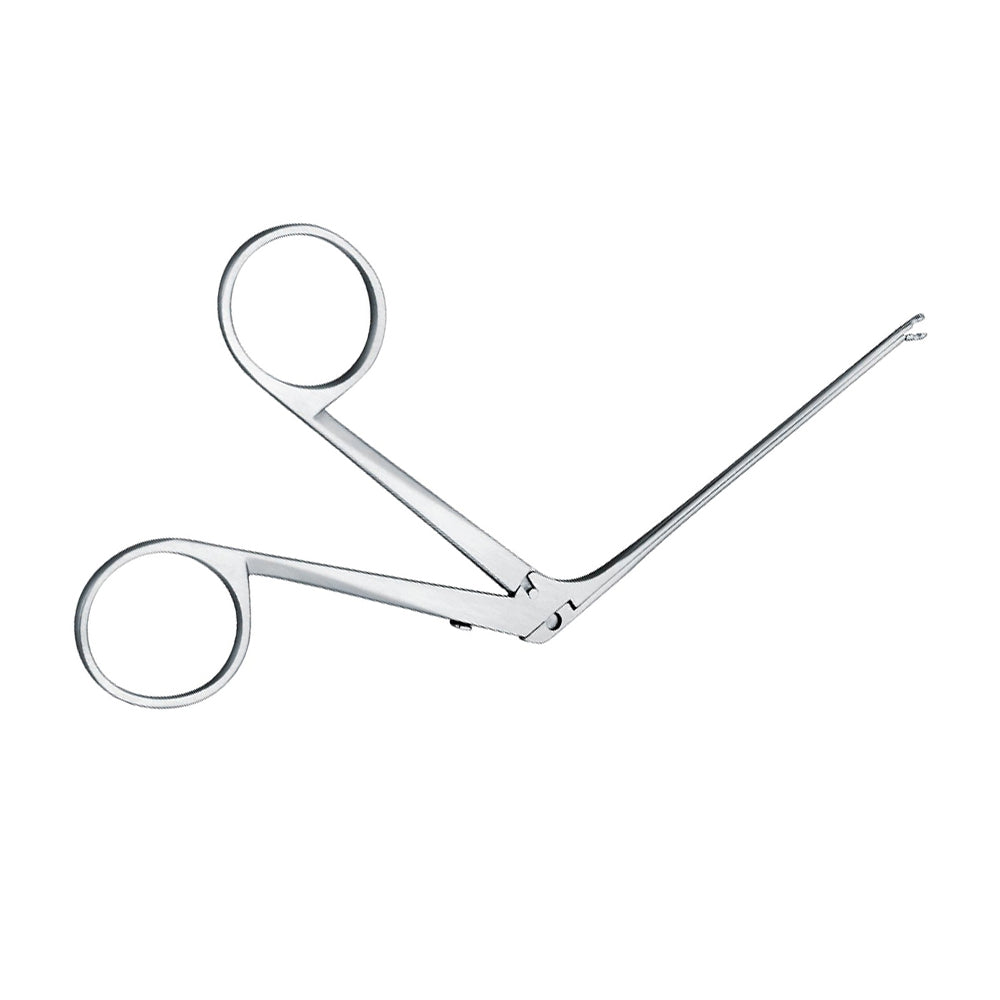
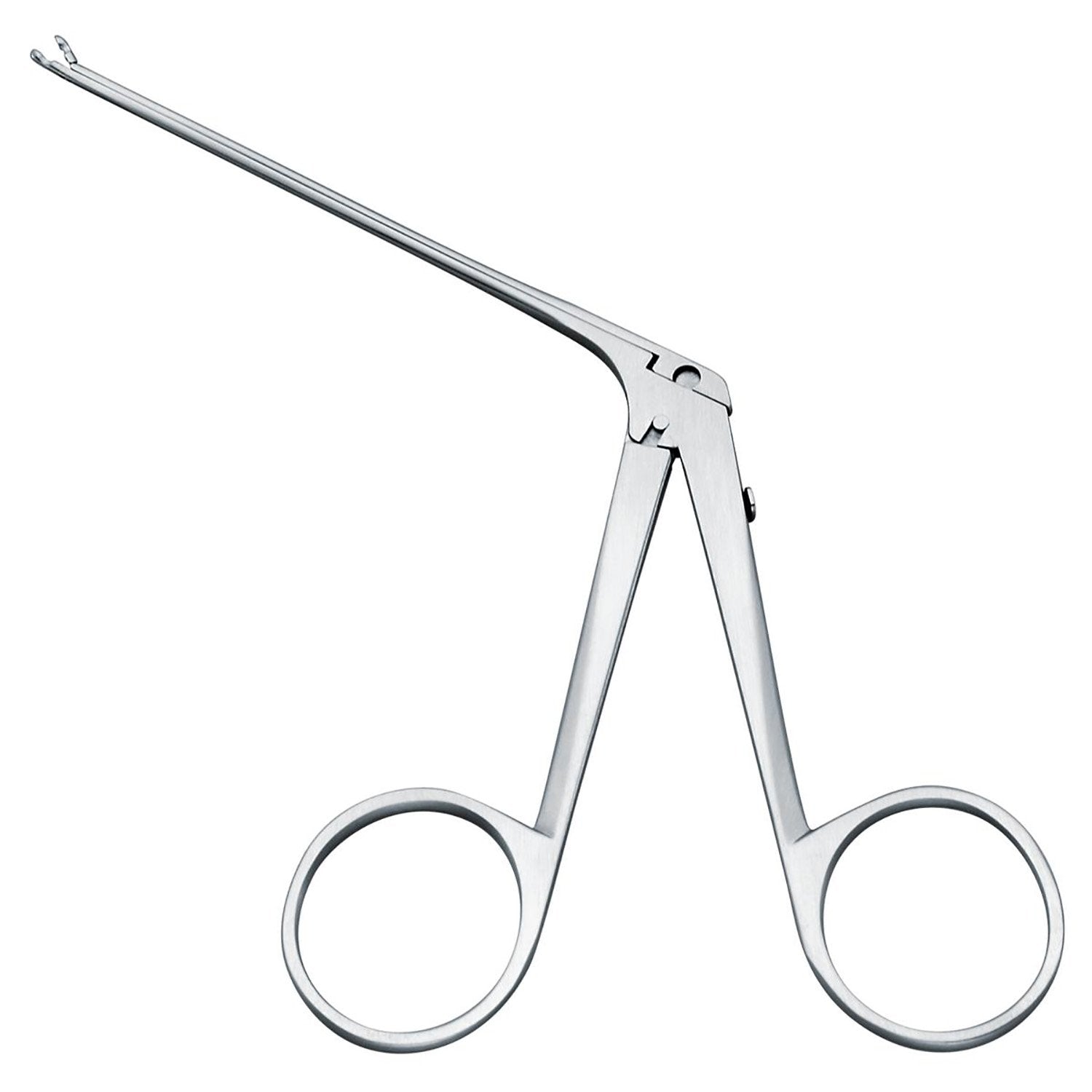
Wullstein Type Tympanoplasty Forceps PS-5218 are ENT microsurgical forceps made from German stainless steel for controlled graft, packing, and soft tissue manipulation during otologic reconstruction. The pattern is supplied in Angled upward 90° and Angled upward 35° variants under model PS-5218, allowing the surgeon to choose the working angle according to canal access, tympanic membrane exposure, and middle ear depth. These forceps are used in tympanoplasty, myringoplasty, tympanomeatal flap handling, ossiculoplasty support, cholesteatoma sac manipulation, canal wall soft tissue control, and placement of temporalis fascia, tragal perichondrium, cartilage grafts, absorbable packing, and gelatin sponge. The long slender shaft keeps the hand outside the operative corridor while the angled distal jaw reaches through a speculum, endaural route, postauricular approach, or microscope-guided ear canal field. Otologists, neurotologists, ENT surgeons, ambulatory surgery centers, hospital operating rooms, teaching units, and distributor procurement teams use this reusable Class I instrument where precise middle ear handling is required.
The Wullstein pattern uses a ring-handle forceps body with a proximal pivot that transfers finger compression into a controlled distal jaw closure. Its elongated narrow shaft is designed to pass through the external auditory canal without crowding the microscope line of sight or endoscopic viewing axis. The upward angled tip changes the approach vector at the final working end, so the surgeon can grasp graft edge, packing material, mucosal fold, or tympanomeatal flap margin while keeping the wrist in a stable extra-auricular position. The 35° version provides an oblique bite for routine canal and tympanic membrane work, while the 90° configuration creates a near-perpendicular approach for deeper or reverse-angle manipulation in the mesotympanum and attic region. The small opposing jaws close by pivot action rather than sliding tube movement, giving tactile feedback through the handles. Rounded atraumatic jaw margins help hold fascia, perichondrium, cartilage, and sponge without broad crushing pressure when used with microsurgical discipline.
During underlay tympanoplasty, the forceps assist after elevation of the tympanomeatal flap by holding the graft edge as it is advanced medial to the tympanic membrane remnant and malleus handle. In overlay myringoplasty, the angled tip helps guide fascia or perichondrium across the annulus while avoiding unnecessary contact with the ossicular chain. For ossiculoplasty support, the fine jaws can introduce absorbable packing around a prosthesis or cartilage shield after the reconstruction has been positioned. In cholesteatoma surgery, the instrument supports careful handling of sac remnants, attic packing, and middle ear mucosal folds during microscope-guided dissection. The 35° pattern is selected when the working field lies in the lateral canal, anterior perforation edge, or graft placement plane. The 90° pattern is useful when the surgeon needs to reach superior, posterior, or medial spaces without rotating the shaft into the canal wall. Adult and pediatric otologic cases both benefit from the long slim working profile when exposure is limited by canal diameter.
The Angled upward 35° model gives a shallow approach for tympanomeatal flap repositioning, anterior margin support, graft smoothing, and absorbable sponge placement along the inferior or anterior canal. Its geometry is useful when the surgeon wants the jaw to follow the canal axis while still lifting slightly away from the shaft line. The Angled upward 90° model changes the bite to a right-angle profile for work behind overhangs, under the tympanic membrane remnant, near the posterior superior quadrant, or around the epitympanic recess. That version is selected when direct straight forceps would force the wrist into an unstable position or obscure the view through the speculum. Both variants use ring handles for repeatable opening and closure during fine graft advancement. The distal jaw length is compact enough for middle ear entry while still allowing secure purchase on fascia, perichondrium, cartilage slice, gelatin sponge, and soft tissue fragments. Selection is based on perforation site, canal curvature, microscope angle, and the stage of reconstruction.
German stainless steel provides the strength, corrosion resistance, and edge stability required for repeated ENT microsurgical use. The satin, dull, or mirror finish options support different operating room preferences: satin and dull surfaces reduce glare under microscope illumination, while mirror polish allows rapid visual inspection after cleaning. As a reusable Class I surgical instrument, the forceps are processed through decontamination, ultrasonic cleaning when indicated, rinsing, drying, functional inspection, packaging, and steam autoclave sterilization according to facility protocol. The pivot, jaw recess, and long shaft require careful brushing and visual inspection before sterilizer loading so retained bioburden does not remain in the working mechanism. CE marking, ISO 13485 manufacturing controls, and FDA procurement documentation support hospital purchasing, distributor tenders, and clinic supply approval. The one-year warranty, MOQ of one piece, OEM availability, and return or replacement after-sale service give procurement teams a clear commercial route for stocking ENT reconstruction trays.
| SKU | PS-5218 |
|---|---|
| Product Name | Wullstein Type Tympanoplasty Forceps |
| Price | $25.85 USD |
| Size/Gauge Variants | Angled upward 90°; Angled upward 35° |
| Instrument Category | ENT tympanoplasty forceps |
| Procedure | Tympanoplasty, myringoplasty, tympanomeatal flap handling, ossiculoplasty support, cholesteatoma surgery |
| Material | German stainless steel |
| Finish | Satin, dull, mirror |
| Sterilization | Reusable instrument for standard hospital steam autoclave processing after cleaning and inspection |
| Instrument Classification | Class I |
| Reusable | Yes |
| Certifications | CE, ISO 13485, FDA |
| Warranty | 1 year |
| MOQ | 1 piece |
| OEM / Custom Orders | Available for distributor and institutional procurement |
| After-Sale Service | Return and replacement support |
How are Wullstein Type Tympanoplasty Forceps different from Hartmann ear forceps?
Wullstein Type Tympanoplasty Forceps are built for middle ear reconstruction rather than general ear canal dressing work. Hartmann ear forceps usually have a longer alligator-style profile for packing removal, foreign body retrieval, and canal dressing placement. The Wullstein pattern uses angled upward jaws to approach grafts and soft tissue from a controlled microsurgical vector. The 35° and 90° jaw options give more deliberate access to the tympanic membrane plane and middle ear recesses. Hartmann forceps are useful in outpatient otology and basic canal work, while Wullstein forceps are selected inside tympanoplasty and myringoplasty workflows. The design difference matters when the surgeon is placing fascia, perichondrium, cartilage, or absorbable support material near the ossicular chain.
When should the 35° or 90° Wullstein variant be selected?
The 35° angled upward forceps are selected for oblique access through the external auditory canal during graft edge placement, tympanomeatal flap repositioning, and anterior perforation work. This angle follows the canal axis while giving enough lift to work at the tympanic membrane margin. The 90° angled upward forceps are selected when the target lies superior, posterior, medial, or behind a canal wall overhang. That geometry helps during epitympanic packing, posterior superior quadrant access, and manipulation around the ossicular reconstruction field. Wullstein Type Tympanoplasty Forceps in both angles support fascia, perichondrium, cartilage, and gelatin sponge handling. The final choice depends on canal curvature, perforation location, and the surgeon’s microscope or endoscope working line.
What do CE, ISO 13485, and FDA mean for procurement?
CE marking supports European medical device procurement requirements for surgical instruments. ISO 13485 indicates that the manufacturing system follows a medical device quality management framework. FDA documentation supports purchasing review for facilities that require United States medical device compliance records. For the Wullstein Type Tympanoplasty Forceps, these credentials help hospitals, clinics, and distributors assess traceability, reusable instrument classification, and supplier suitability. Procurement teams can align the instrument with ENT tray standardization and tender documentation. The model PS-5218, Class I classification, warranty term, and after-sale support give clear purchasing data for stock files.
How does the pivot mechanism affect intraoperative control?
The pivot converts ring-handle compression into a precise closing movement at the distal jaws. This allows the surgeon to open the tip minimally while working near the tympanic membrane remnant, malleus handle, ossicles, or graft surface. Because the handle remains outside the canal, small finger movements create controlled jaw closure without excessive shaft rotation. The mechanism also gives tactile feedback when the jaws contact fascia, perichondrium, cartilage, packing, or soft tissue. In Wullstein Type Tympanoplasty Forceps, this control is important when placing graft material under the annulus or adjusting middle ear support. Proper cleaning of the pivot area is required before sterilization because this joint is a functional contact zone.
Are these forceps suitable for hospital ENT tray procurement?
Yes, Wullstein Type Tympanoplasty Forceps are suitable for ENT tympanoplasty, myringoplasty, and otologic reconstruction trays. The MOQ is one piece, allowing hospitals and clinics to add either the 35° or 90° configuration without committing to a large batch. Distributors can request OEM supply for catalog or institutional purchasing programs. The reusable German stainless steel construction supports repeated cleaning, inspection, and steam sterilization cycles when handled under operating room protocol. The one-year warranty and return or replacement service support procurement risk control. The listed certifications and model number PS-5218 make the item straightforward to document in surgical supply systems.