Ostoskorisi on tyhjä
Jatka ostoksiaOnko sinulla tili?
Kirjaudu sisään, jotta voit maksaa kassalla nopeammin.

Esitelty kokoelma
Ostoskorisi
Ostoskorisi on tyhjä
Jatka ostoksiaOnko sinulla tili?
Kirjaudu sisään, jotta voit maksaa kassalla nopeammin.
Esitelty kokoelma

PEAK SURGICALS
SKU-koodi:PS-ATPS-00101
Noudon saatavuutta ei voitu ladata
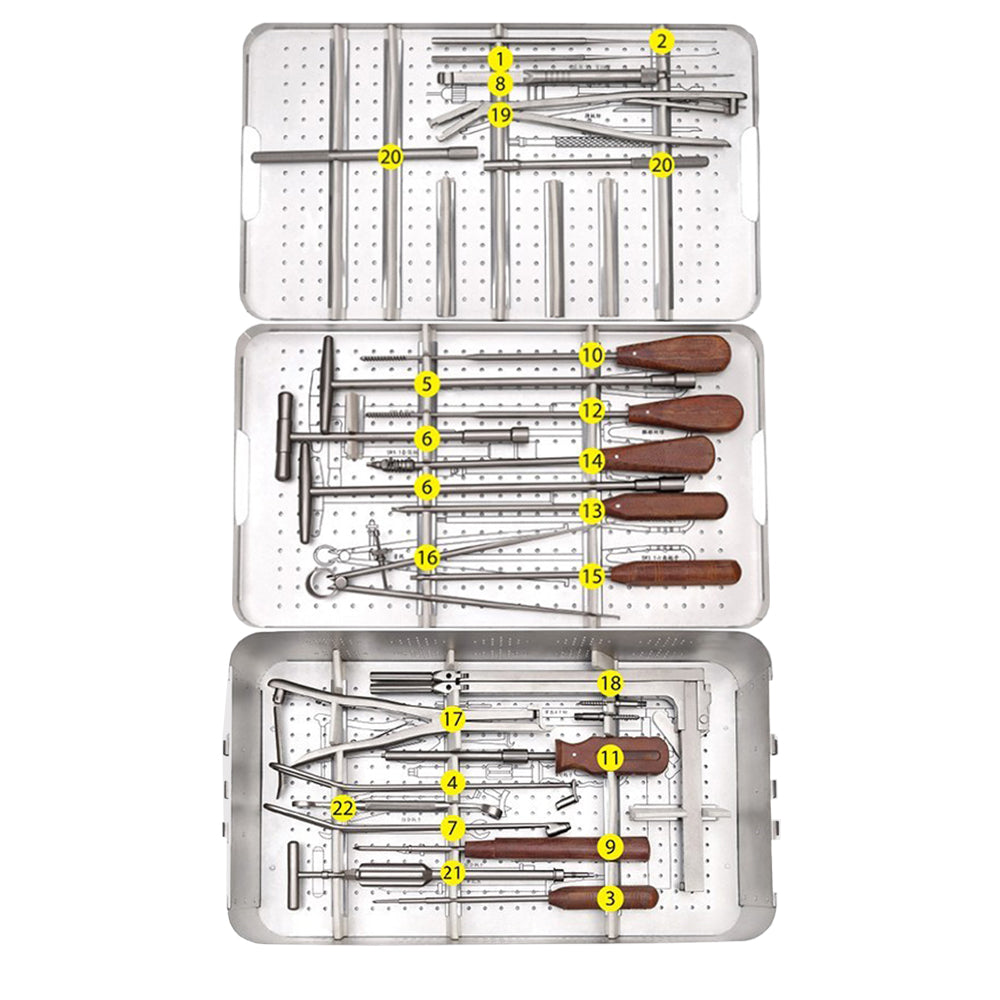
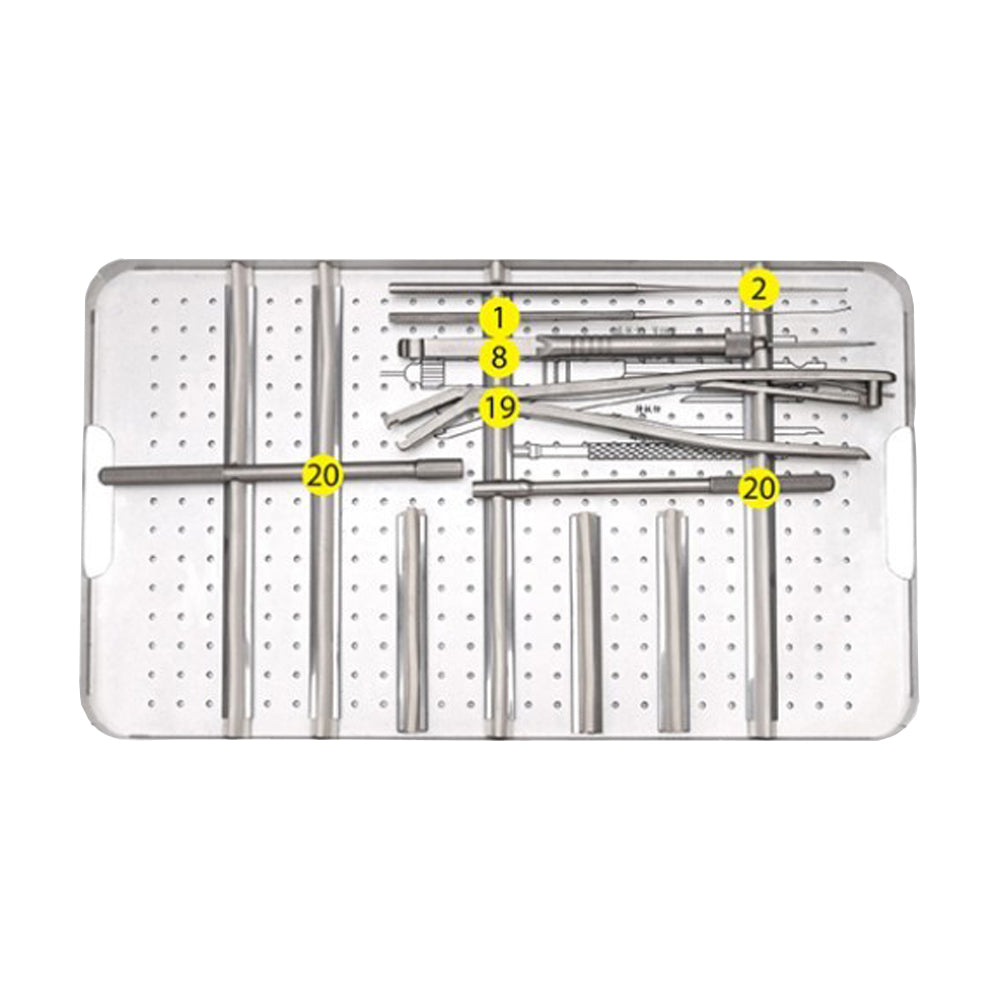
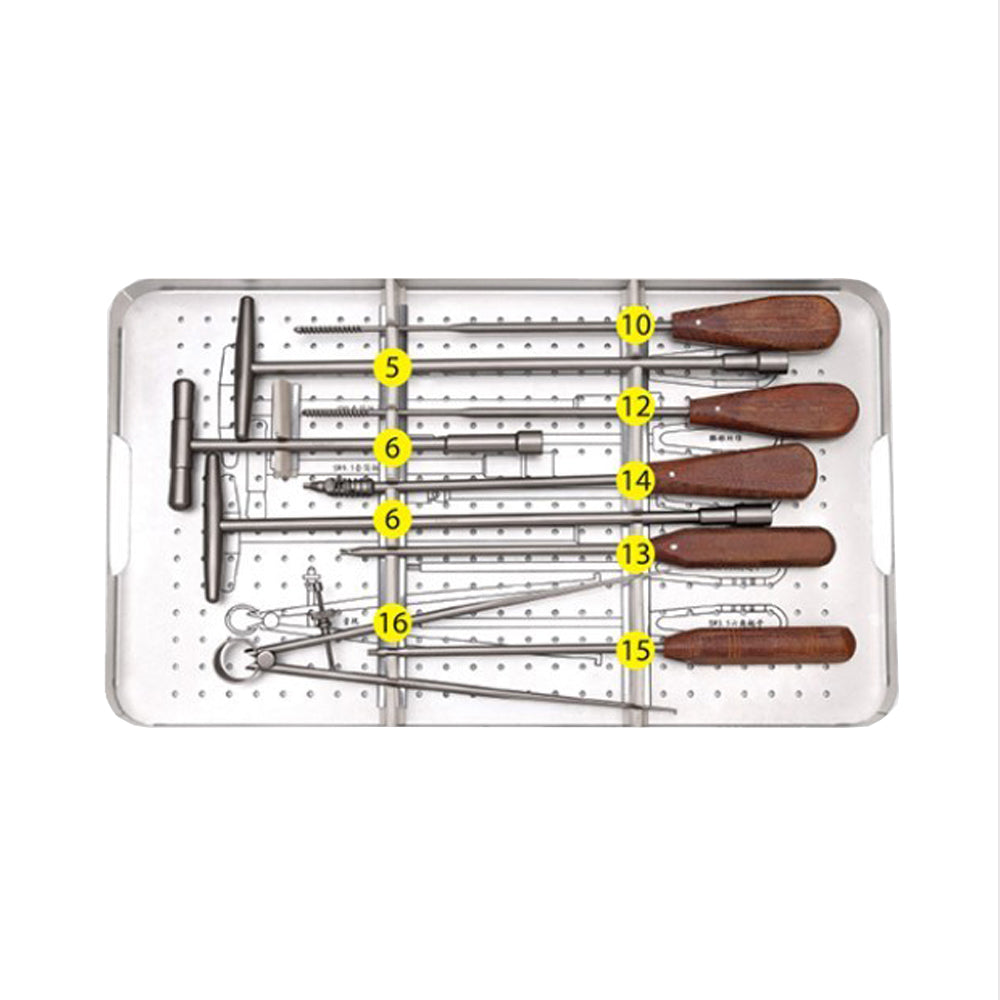
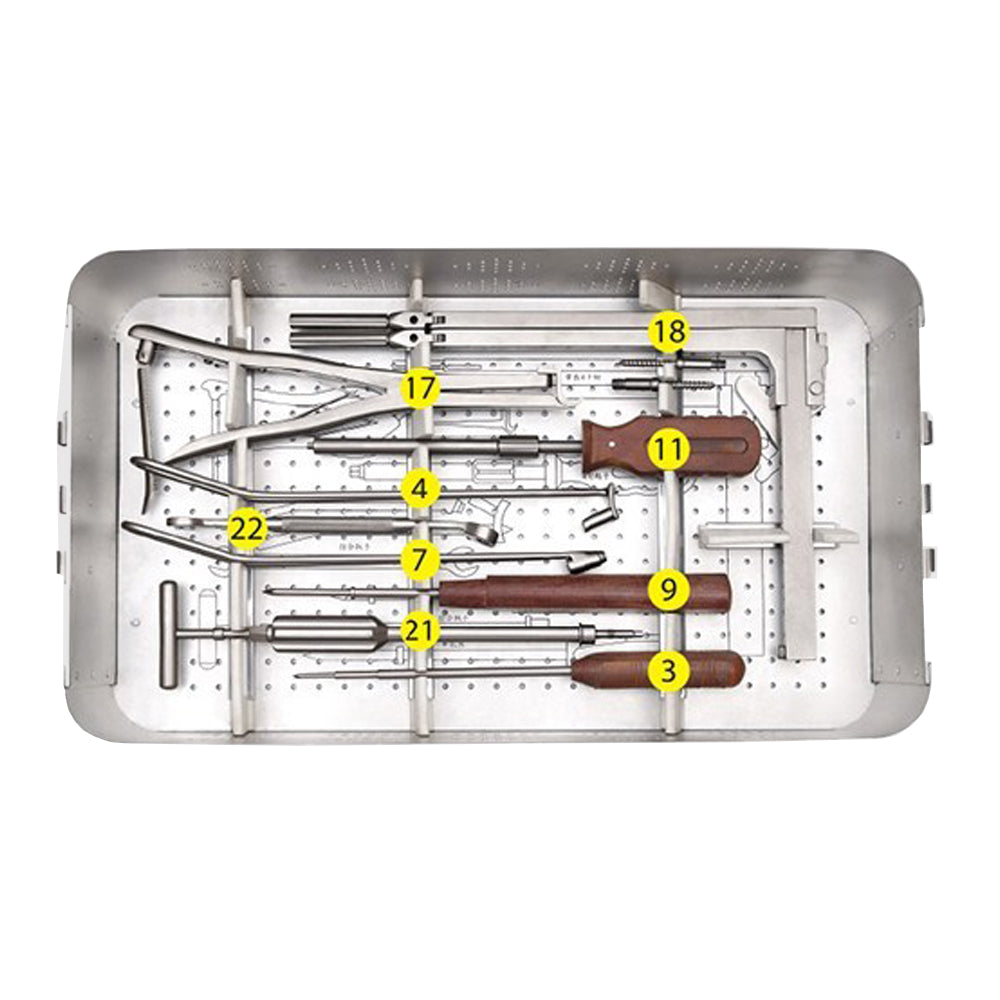
Peak Surgicalsin Anterior Thoracic Plate System on 22-osainen anteriorinen selkärangan instrumenttisarja, joka on suunniteltu nikamien etulevykiinnitykseen rinta- ja rintalannerangan anteriorisen lähestymistavan kautta. Se kattaa anteriorisen levy- ja ruuvikiinnityksen koko leikkauksen aikaisen työnkulun – mukaan lukien nikaman ruuvikanavan valmistelun kaarevilla ja suorilla ohjaustapeilla, reiän laajentamisen, kierteityksen 6 mm ja 6,5 mm, levyn pitelemisen ja asennon määrittämisen, kompressio- ja distraktio levytasojen välillä, ruuvin asettamisen erillisellä pitoporanohjaimella ja yleisruuvimeisselillä sekä lopullisen kiristyksen avaimella. Sarjaan kuuluu ilmaisin ruuvikanavan arviointiin, mitta nauhat ruuvin pituuden mittaamiseen, puristuspihdit ja distraktiopihdit segmentaaliseen kohdistukseen sekä levynpitopihdit levyn asennon määrittämiseen nikamassa ruuvin kiinnityksen aikana, kaikki toimitetaan alumiinilaatikossa. Sitä käyttävät selkäkirurgit ja rintakirurgit sairaaloiden leikkaussaleissa suorittaessaan anteriorista selkärangan rekonstruktiota rinta- ja rintalannerangan murtumien, selkärangan kasvaimen poiston ja nikaman rekonstruktion sekä rintalannerangan epämuodostumien korjauksen yhteydessä, jotka vaativat anteriorisen pilarin tukea ja stabilointia.
Anteriorinen lähestymistapa rinta- ja rintalannerankaan tarjoaa suoran pääsyn nikamiin, nikamavälilevyihin ja anterioriseen selkäydinkanavaan edestä – joko avoimen torakotomian, torakoabdominaalisen viillon tai torakoskooppisen/videoavusteisen lähestymistavan kautta riippuen patologian tasosta ja laajuudesta. Tämä lähestymistapa valitaan posteriorisen instrumentoinnin sijaan tilanteissa, joissa ensisijainen patologia on anteriorisessa pilarissa: purskemurtumat, joissa on merkittävä anteriorinen nikamanmurtuma ja retropulsoituneet fragmentit, jotka aiheuttavat anteriorista selkäydinpuristusta, selkärangan kasvaimet, jotka vaativat nikaman resektiota (korpektomia), jota seuraa anteriorinen rekonstruktio, rintakyfoosi, joka vaatii anteriorisen pilarin vapauttamisen ja tuen, sekä valitut rintalannerangan epävakaustapaukset, joissa anteriorinen levykiinnitys tarjoaa suoran anteriorisen pilarin tuen, jota ei voida saavuttaa pelkällä posteriorisella lähestymistavalla. Anteriorinen levyjärjestelmä asettaa levyn suoraan nikamien sivupintaan patologisen tason yli, ja ruuvit asetetaan nikamiin dekompressoidun tai resekoituneen segmentin ylä- ja alapuolelle anteriorisen pilarin korkeuden ja mekaanisen vakauden palauttamiseksi.
Anteriorisen nikaman ruuvin asennus alkaa tunnistamalla oikea sisääntulokohta nikaman sivupinnalle ja asettamalla ruuvin reitti kohti vastakkaista kuorta kaksiulotteisen läpivalaisuohjauksen avulla. Kaareva ohjaustappi (PS-CGP-001) määrittää alkuperäisen reitin nikamissa, joissa anatomia tai levyn sijainti vaatii kulmikkaan ohjauslangan lähestymistavan – kaareva kärki seuraa luun sisäisen rakenteen reittiä kuorien seinämien välissä. Suora ohjaustappi (PS-SGP-002) -käytetään, kun tarvitaan standardi kohtisuora tai hieman lähenevä ruuvin reitti. Poraohjain (PS-DG-007) ohjaa poran terää (PS-DB-003) oikeaa reittiä pitkin levyn reiän läpi ja nikamaan, varmistaen, että pora ei poikkea sivusuunnassa tai eteenpäin kuoren läpäisyn aikana. Reiänlaajennin (PS-HE-009) leventää porauskanavaa ruuvin halkaisijan mukaan ennen kierteitystä, erityisesti lateraalisen nikaman pinnan kuoren sisääntulokohdassa, jossa alkuperäinen poran halkaisija voi olla pienempi kuin lopullinen ruuvin halkaisija. Obturaattori (PS-O-004) tarjoaa tylpäkärkisen ohjaimen ja suojan instrumentin etenemiselle pehmytkudoksen läpi ja nikaman pintaa pitkin porauksen ohjausvaiheissa.
Sarja sisältää kaksi kierteittäjää, jotka vastaavat anteriorisessa rintakehän ja rintalannerangan levykiinnityksessä käytettävien ruuvien halkaisijoita. Kierteittäjä 6mm (PS-T-012) valmistaa nikaman ruuvikanavan standardin 6mm halkaisijan anteriorisia nikaman ruuveja varten, joita käytetään rintakehän ja ylemmän rintalannerangan tasoilla. Kierteittäjä 6.5mm (PS-T-010) valmistaa kanavan 6.5mm ruuveja varten, joita käytetään alemmilla rintalannerangan ja lannerangan tasoilla, missä suurempi nikaman halkaisija mahdollistaa leveämmän ruuvin suuremman vetolujuuden saavuttamiseksi. Nikaman kuoren esikierteitys on tärkeää anteriorisessa kiinnityksessä, koska lateraalinen nikaman kuori – erityisesti rintakehän alueella – on tiheä ja kapea, ja itsekierteittävän ruuvin pakottaminen ilman esikierteitystä lisää kuoren halkeamisen ja ruuvin väärän suuntautumisen riskiä. Detektori (PS-D-008) arvioi valmistetun ruuvikanavan ennen kierteitystä, vahvistaen kanavan eheyden ja kuoren rikkoutumattomuuden selkäydinkanavan tai suurten verisuonten suuntaan.
Levynpitopihdit (PS-PHC-019) pitävät etulevyä paikoillaan nikaman sivupintaa vasten, kun ensimmäiset ruuvit asetetaan väliaikaisesti – säilyttäen levyn asennon sivuvoimien alaisena, jotka kohdataan nikaman porauksen ja ruuvin asennuksen aikana rintakehän kirurgisen käytävän rajoitetussa tilassa. Puristuspihdit 3mm (PS-CC-017) kohdistavat hallitun puristuksen kahden vierekkäisen levytason väliin, kun levyn ruuvit on väliaikaisesti kiinnitetty, sulkemalla mahdolliset jäljellä olevat raot siirteen ja päätylevyn välillä rekonstruoiduissa segmenteissä ja lisäten etupilarin kuormituksen jakautumista luusiirteen tai häkin kautta, joka on sijoitettu korpektomian vaurioon. Eristyspihdit (PS-DC-018) kohdistavat eristyksen kahden vierekkäisen levytason väliin nikaman korkeuden palauttamiseksi, kyfoottisen epämuodostuman vähentämiseksi tai selkäydinkanavan epäsuoran dekompression saavuttamiseksi ligamentotaksin kautta ennen lopullista ruuvin kiristystä. Kiinnityspultti SW8 (PS-HB-020) tarjoaa lisäkiinnityskohdan pihdille levyn kiinnitykseen.
Ruuvinpitimellä varustettu poraohjain (PS-T-SHD-011) pitää ruuvia poran kärjessä rintakehän etukirurgian rajoitetussa tilassa – estäen ruuvin putoamisen ja säilyttäen ruuvin suunnan kriittisen alkuperäisen kierteytyksen aikana nikamaan. Yleisruuvitaltta (PS-US-014) sopii useisiin ruuvipään geometrioihin etulevyjärjestelmässä. Kaksi ruuvitalttaa (PS-S-013 ja PS-S-015) ovat ensisijaiset ja toissijaiset ruuvin asennus- ja kiristystyökalut levyn ruuvipäille. Kaksi mutteriavainta SW8 (PS-NDS-005 ja PS-NDS-006) kohdistavat vääntömomentin levyn muttereihin tai mutterin lukitusmekanismiin. Mitta (PS-C-016) mittaa sisäänmenoaukon ja kauimman kuoren välisen etäisyyden poran etenemisen jälkeen oikean ruuvin pituuden määrittämiseksi ennen ruuvin valintaa. Yhdistelmäavain (PS-CW-021) ja avain SW11 (PS-W-022) tarjoavat lopullisen vääntömomentin levyn mutterien ja pulttien kiristykseen.
Anterior Thoracic Plate System valmistetaan CE-merkinnän, ISO 13485:n ja FDA-yhteensopivien laatustandardien mukaisesti. ISO 13485 -sertifikaatti vahvistaa, että Peak Surgicalsilla on dokumentoitu laadunhallintajärjestelmä, joka kattaa suunnittelun valvonnan, materiaalin jäljitettävyyden ja tuotannon johdonmukaisuuden selkärankaleikkausinstrumenteille. CE-merkintä vahvistaa eurooppalaisten lääkinnällisiä laitteita koskevien säännösten noudattamisen, ja FDA-yhteensopivuus tukee hankintoja yhdysvaltalaisille sairaaloille, selkäkirurgian keskuksille ja neurokirurgian osastoille, jotka vaativat tarkistettua sääntelydokumentaatiota anterioristen selkärankainstrumenttien hankintoihin.
| Tuotenumero | — (varmista Shopify adminissa) |
|---|---|
| Tuotteen nimi | Anterior Thoracic Plate System (myös: Anterior Thoracolumbar Plate System) |
| Hinta | 1 705,00 USD |
| Instrumentteja yhteensä | 22 + alumiinilaatikko |
| Instrumenttikategoria | Selkäkirurgia — anteriorinen rintakehän / rintalannerangan levyinstrumentointijärjestelmä |
| Toimenpide | Anteriorinen nikaman levykiinnitys — rintakehän ja rintalannerangan murtumat, korpektomian rekonstruktio, epämuodostumien korjaus |
| Lähestymistapa | Anteriorinen (torakotomia, torakoabdominaalinen tai torakoskooppinen) |
| Kierteittimet | 6mm (PS-T-012) + 6.5mm (PS-T-010) |
| Ohjainpinnit | Kaareva (PS-CGP-001) + Suora (PS-SGP-002) |
| Tärkeimmät instrumentit | Porausterä, poranohjain, obturaattori, reiänlaajennin, ilmaisin, mitta, ruuvinpitoporaohjain, ruuvitaltat ×2, yleisruuvitaltta, mutteriohjaimet SW8 ×2, puristuspihdit 3mm, eristyspihdit, levynpitopihdit, kiinnityspultti SW8, yhdistelmäavain, avain SW11 |
| Säiliö | Alumiinilaatikko (PS-AB-023) |
| Sertifikaatit | CE-merkintä, ISO 13485, FDA |
| Takuu | 1 vuosi |
| Minimimyyntierä (MOQ) | 1 sarja |
| OEM / Räätälöidyt tilaukset | Saatavilla |
| Myynnin jälkeinen palvelu | Palautus ja vaihto |
Mihin kirurgisiin toimenpiteisiin Anterior Thoracic Plate System -järjestelmää käytetään?
Anterior Thoracic Plate System -järjestelmää käytetään rintakehän ja rintalannerangan anterioriseen selkärangan levy- ja ruuvikiinnitykseen, joka suoritetaan torakotomian, thorakoabdominaalisen viillon tai videoavusteisen torakoskooppisen lähestymistavan kautta. Ensisijaisia käyttöaiheita ovat rintakehän ja rintalannerangan purskemurtumat, joissa anteriorinen nikaman runko on vakavasti murskaantunut ja vaatii anteriorisen dekompression, jota seuraa anteriorinen levykiinnitys dekompression jälkeen; nikaman kasvaimet, jotka vaativat korpektomiaa ja anteriorista rekonstruktiota; rintakehän kyfoosin korjaus anteriorisella vapautuksella ja anteriorisella pilarituen avulla; ja valitut rintalannerangan epävakaustapaukset, jotka vaativat anteriorista levykiinnitystä täydentämään tai korvaamaan posteriorista instrumentointia, kun anteriorinen pilari ei kykene kantamaan riittävästi kuormitusta dekompression jälkeen.
Mikä on anteriorisen rintalevykiinnityksen ja posteriorisen pedikkeliruuvikiinnityksen ero?
Posteriorinen pedikkeliruuvikiinnitys (kuten Peak Surgicalsin Spinal Pedicle Screw System tarjoaa) lähestyy selkärankaa takaa posteriorisen keskilinjan viillon kautta, asettaen ruuvit kunkin nikaman pedikkeleihin ja yhdistäen ne tangoilla. Tämä tekniikka tarjoaa posteriorisen jännitysnauhan kiinnityksen ja sitä käytetään suurimpaan osaan selkärangan stabilointimenettelyistä. Anteriorinen rintalevykiinnitys lähestyy selkärankaa edestä tai sivulta rintakehän kautta, asettaen levyn suoraan nikaman sivupinnalle patologisen tason yli ruuvien kanssa, jotka on asetettu nikamiin ylä- ja alapuolelle. Anteriorinen levykiinnitys tukee suoraan anteriorista pylvästä – selkärangan painoa kantavaa pylvästä – ja sitä käytetään, kun patologia on ensisijaisesti anteriorinen (purskemurtuma anteriorisella murtumalla, korpektomiavamma, anteriorinen kyfoosi), jossa pelkkä posteriorinen kiinnitys ei voi palauttaa anteriorisen pylvään tukea. Monissa rintalannerangan tapauksissa anteriorinen ja posteriorinen kiinnitys yhdistetään maksimaalisen rakenteen vakauden saavuttamiseksi.
Mitä Detektori tekee tässä järjestelmässä?
Detektori (PS-D-008) on koetin, jota käytetään arvioimaan nikaman valmiin ruuvikanavan eheyttä ennen kierteitystä ja ruuvin asennusta. Kun pora on edennyt aiottuun syvyyteen, detektori viedään kanavaan ja kierretään tunnustelemaan kaikkia poratun reiän seiniä – kärki on suunniteltu havaitsemaan kaikki kuoren rikkoutumat porauskanavan seinässä. Anteriorisessa rintanikaman ruuvin asennuksessa kanavan mediaalinen seinä (selkäydinkanavan suuntaan) ja anteriorinen seinä (suurten verisuonten ja aortan suuntaan) ovat kriittisiä suuntia, joissa kuoren rikkoutumalla on suuria seurauksia. Detektori vahvistaa, että nämä seinät ovat ehjiä ennen leveämmän kierteittimen ja ruuvin asettamista kanavaan, mikä estää aortan vammat eteenpäin tunkeutuvista ruuveista ja selkäytimen vammat mediaalisesti tunkeutuvista ruuveista.
Miksi mukana on kaksi eri kierrekokoa (6mm ja 6,5mm)?
