Cusco, Bivalve, and Other Speculum Naming Conventions
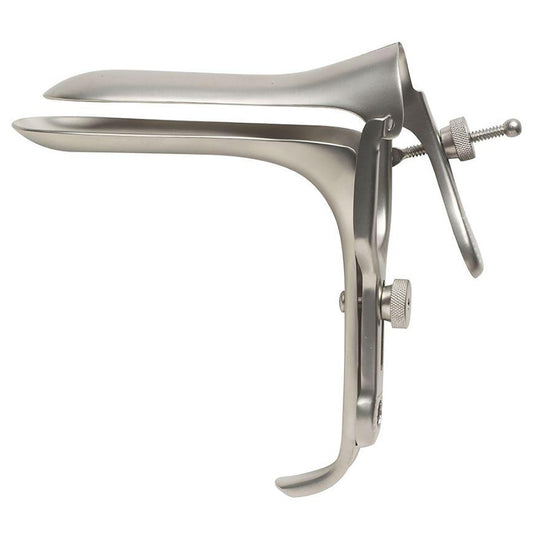
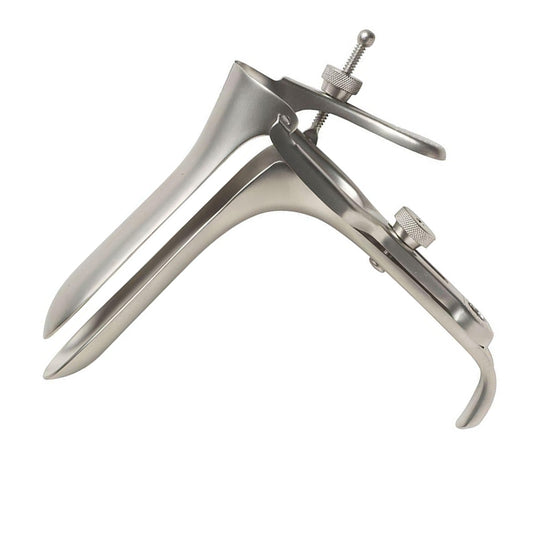
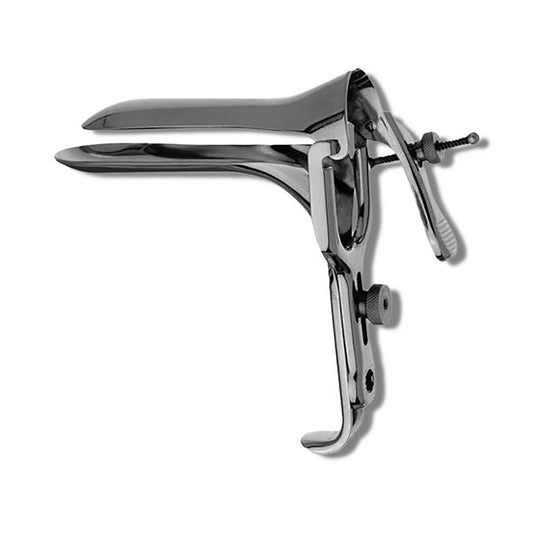
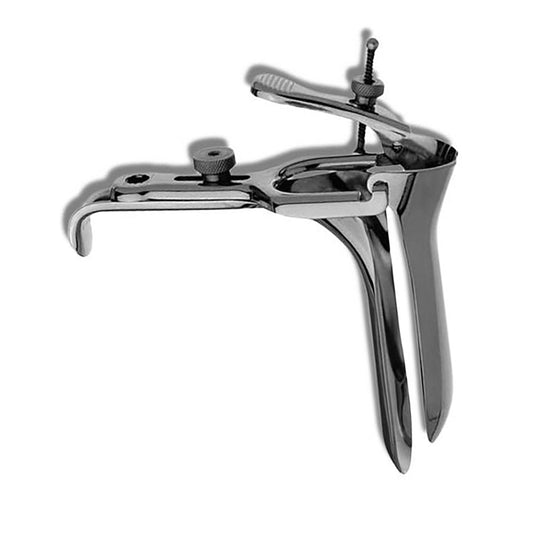
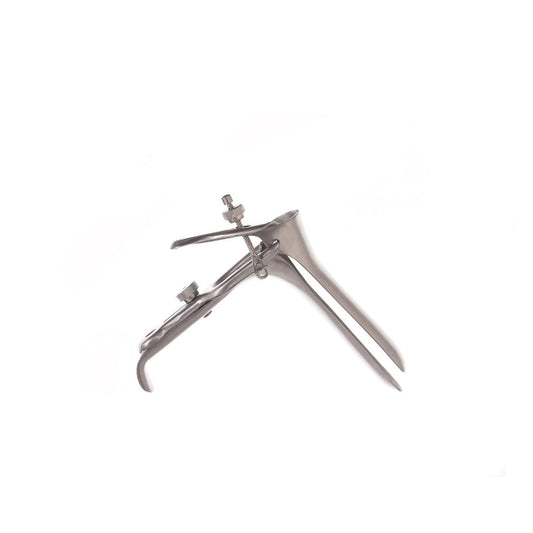
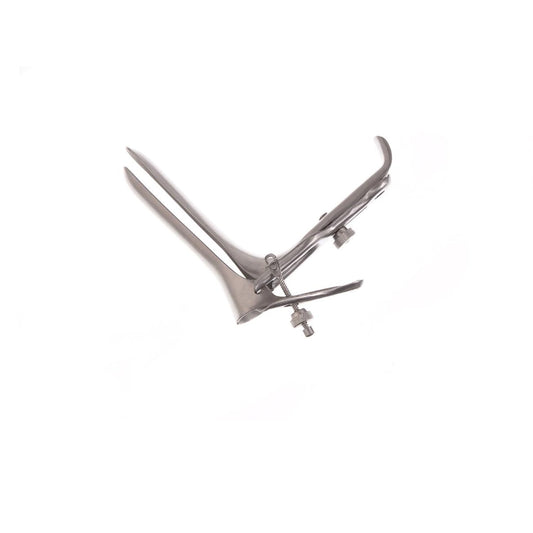
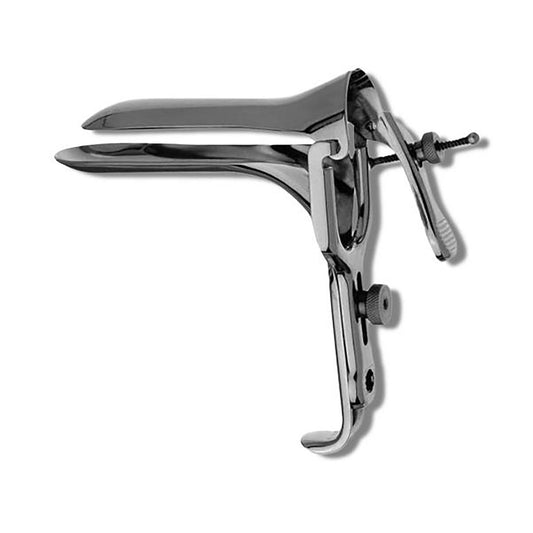
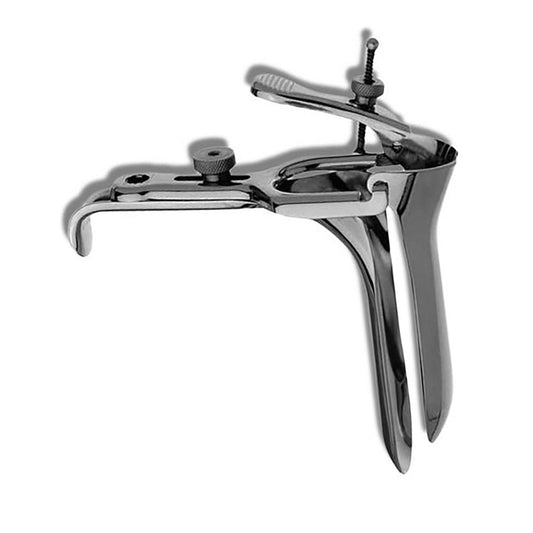
Patients and clinicians outside the US often search for a Cusco speculum rather than a Graves or Pederson — it's the standard UK and European name for the same bivalve, hinged-blade design. Functionally, a Cusco speculum and a Graves speculum do the same job: two blades open on a hinge to hold the vaginal walls apart for examination or procedure access. The naming split is regional rather than a real design difference, and buyers comparing "Cusco vs Graves" are typically deciding between the same underlying mechanism sold under two different labels, not two genuinely different instruments.
Our Graves Vaginal Speculum and Pederson Vaginal Speculum both fall into this bivalve speculum category — the umbrella term covering any hinged, two-blade design, regardless of which regional name a buyer searches under. If your team sources under "Cusco" for European or UK-based customers, these two products are the direct equivalent; no separate instrument is needed to fulfil that naming.
For patients who find even a Pederson blade too wide — a common concern with virginal, postmenopausal, or pediatric patients — narrower specialty patterns like the Huffman and Fergusson speculum exist in the wider market. A Huffman speculum runs narrower and shorter than even a Pederson, designed specifically for patients who can't tolerate a standard blade width. A Fergusson speculum is a cylindrical, tubular design rather than a hinged bivalve, historically used where a wide-open view isn't needed. Neither sits in our current catalog, so buyers searching those terms won't find a direct match today — a real product-line gap rather than a labeling one, and worth flagging to your merchandising team if that search volume is meaningful.
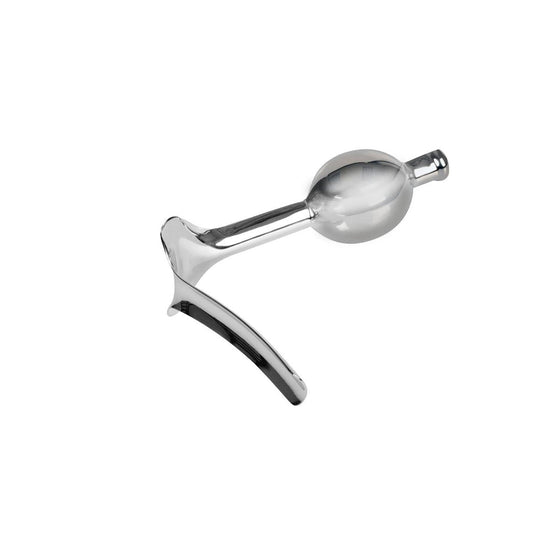
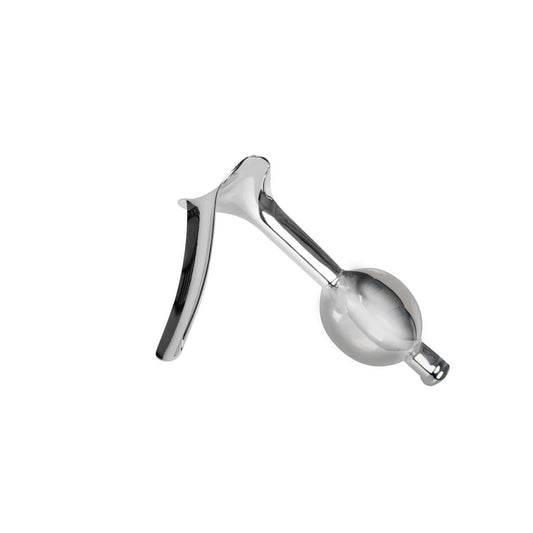
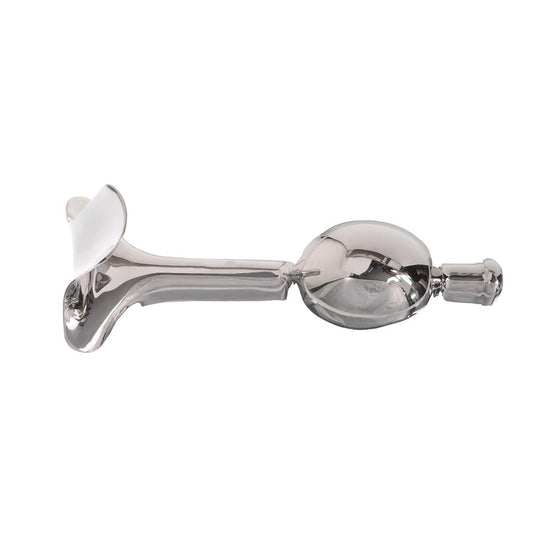
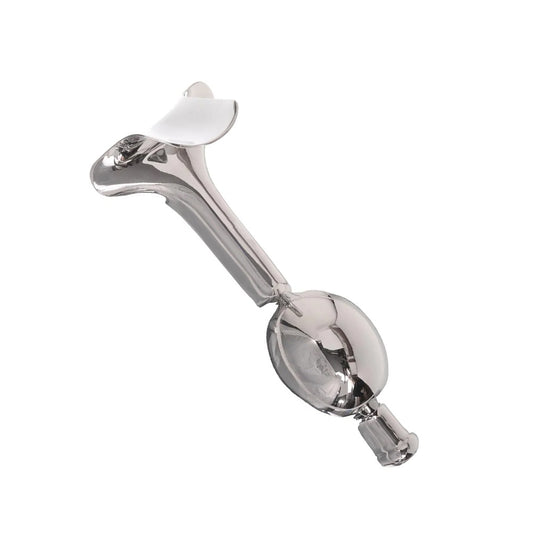
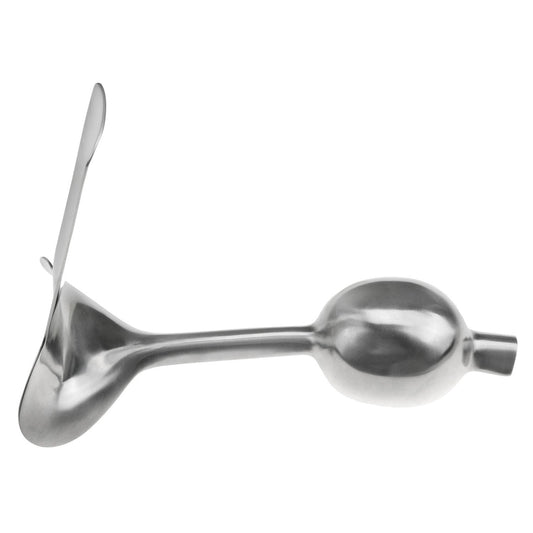
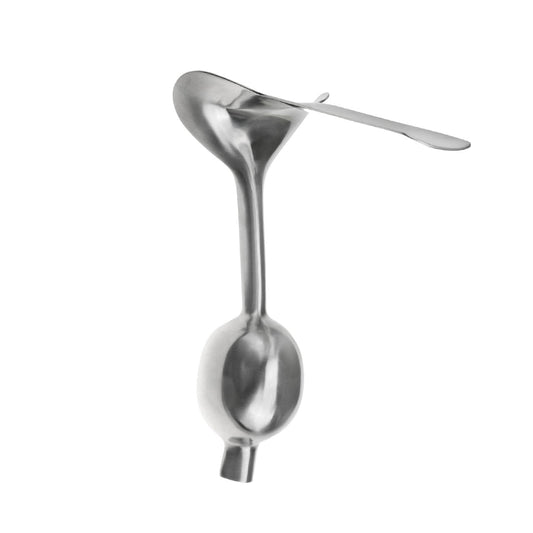
On the weighted side, buyers searching simply "weighted speculum" without naming a specific pattern are usually comparing Auvard, Steiner, and Garrigue against each other rather than deciding whether they want a weighted speculum at all — that decision (weighted vs. hand-held) tends to already be made by the procedure type before the search happens.
Frequently Asked Questions
Is a Cusco speculum the same as a Graves speculum?
Yes, functionally. "Cusco" is the common UK and European name for a hinged, bivalve two-blade speculum — the same basic design sold as a Graves speculum in the US. There's no meaningful mechanical difference between the two; the split is regional naming convention rather than design.
What's the difference between a Graves and a Pederson speculum?
A Graves speculum has a wider, deeper blade suited to most adult patients and routine pelvic exams. A Pederson speculum has a narrower, shallower blade, better tolerated by patients for whom a Graves blade is uncomfortable or doesn't fit well.
What is a weighted speculum used for?
A weighted speculum — such as an Auvard, Steiner, or Garrigue — holds itself open via a heavy, often spherical-ended handle instead of requiring the examiner to grip it. This frees both of the clinician's hands for suturing, delivery, or another procedure step happening at the same time, making it a surgical instrument rather than a routine diagnostic one.
Is a Huffman speculum narrower than a Pederson?
Yes. A Huffman speculum is designed narrower and shorter than a standard Pederson, intended for patients — often virginal, postmenopausal, or pediatric — for whom even a Pederson blade is too wide or too long to insert comfortably.
Which speculum is used for a routine Pap smear?
Most routine Pap smears and pelvic exams use a Graves or Pederson speculum, chosen based on the patient's anatomy and comfort. Graves is the more common default; Pederson is substituted when a narrower blade is needed.