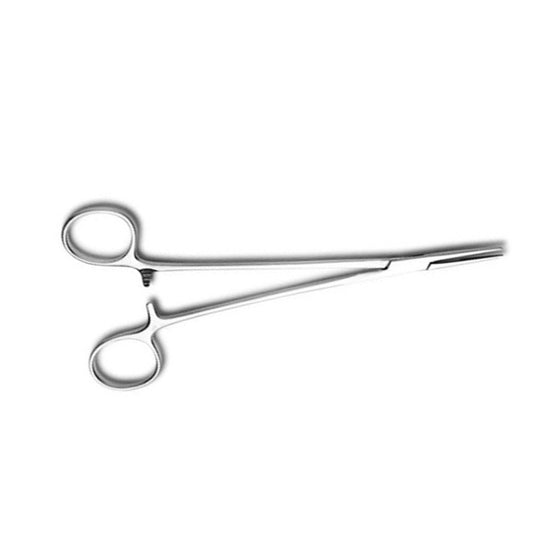
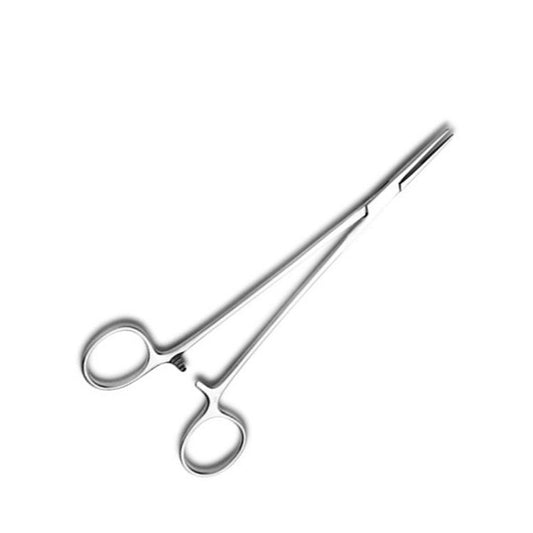
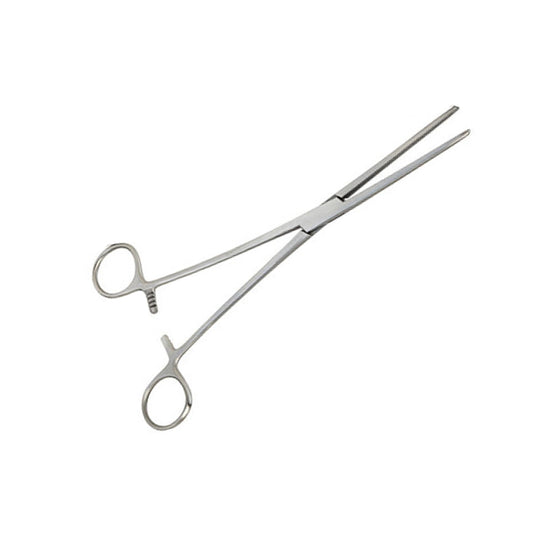
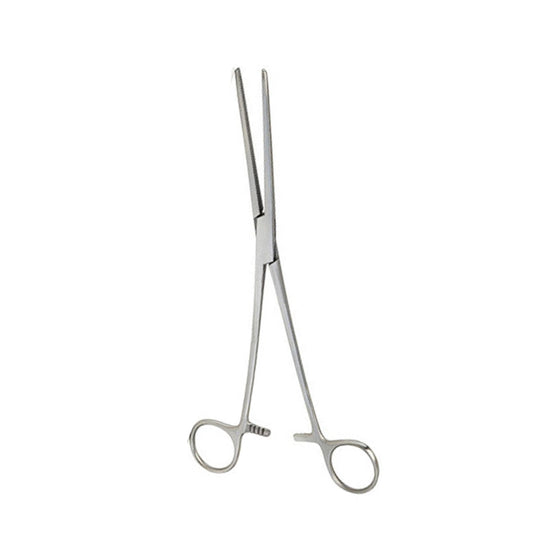
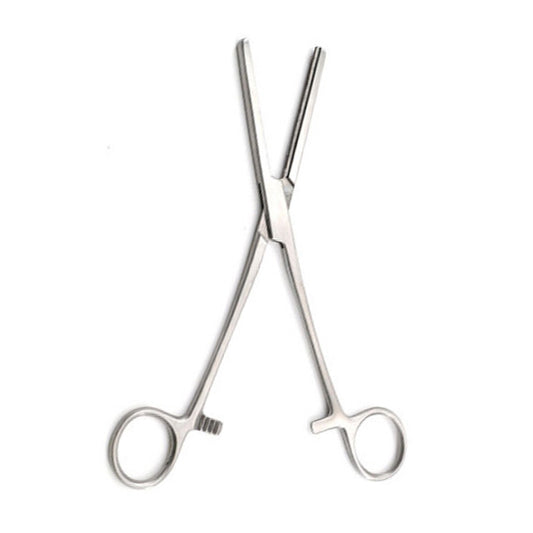
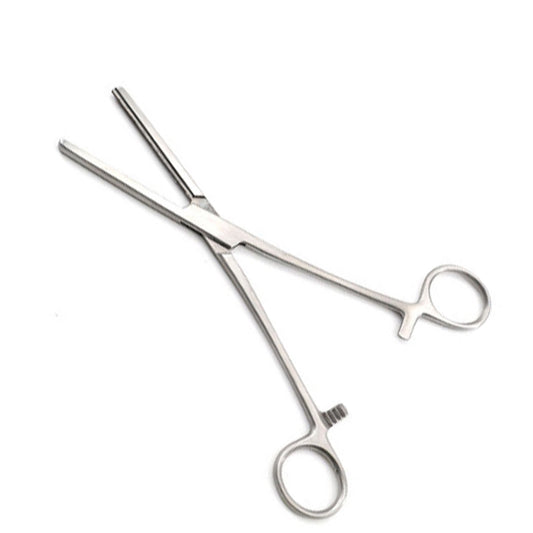
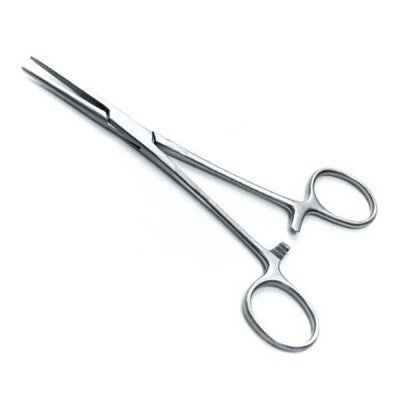
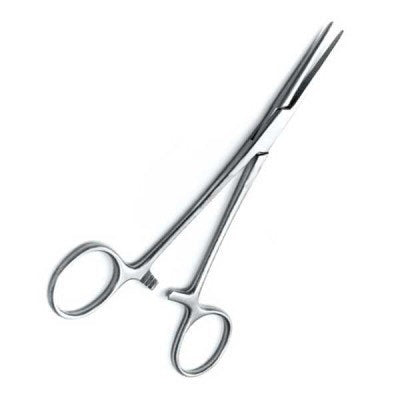
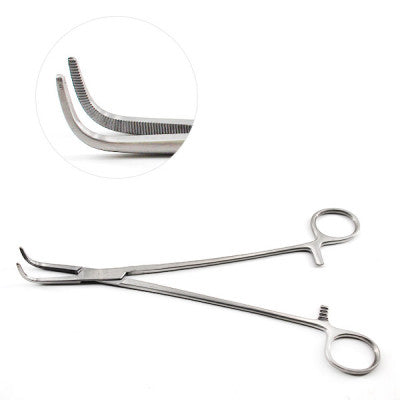
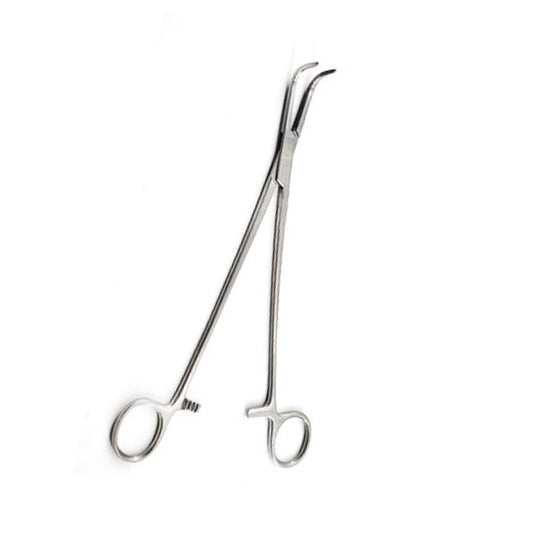
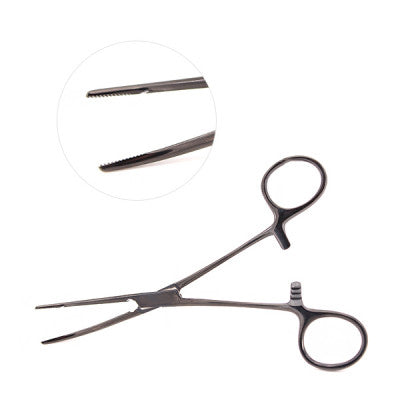
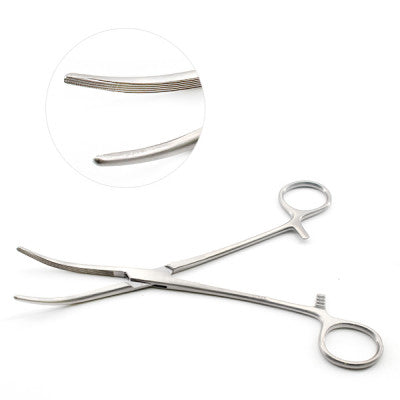
Hemostatic Forceps
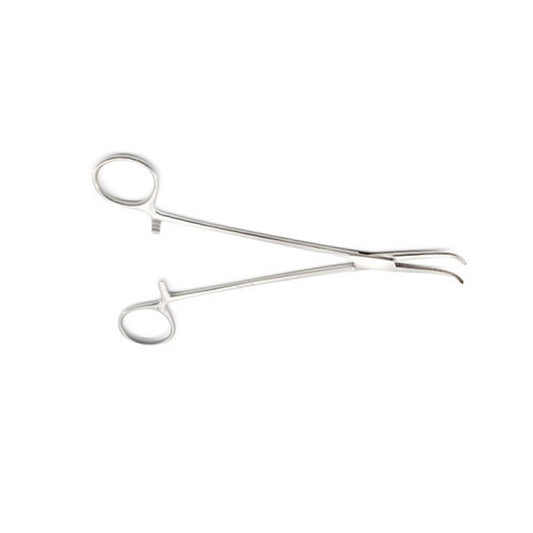
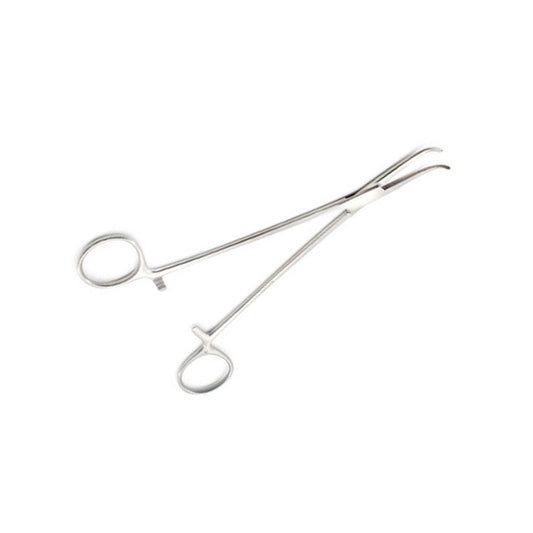
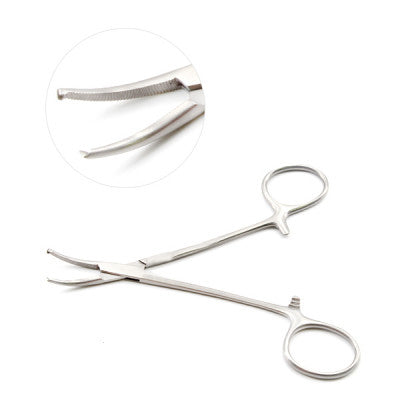
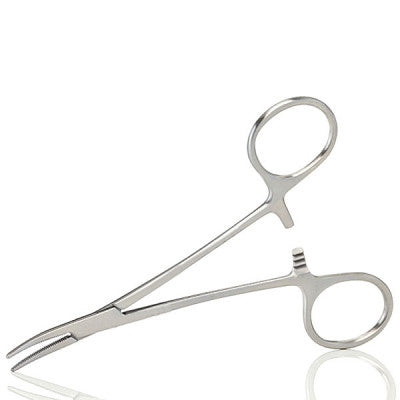
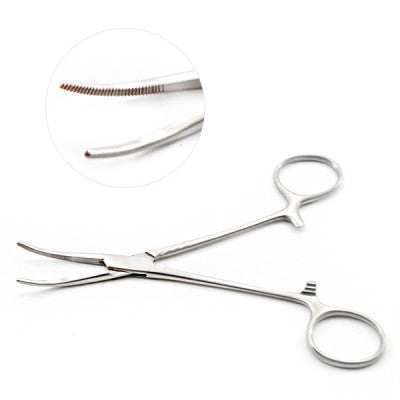
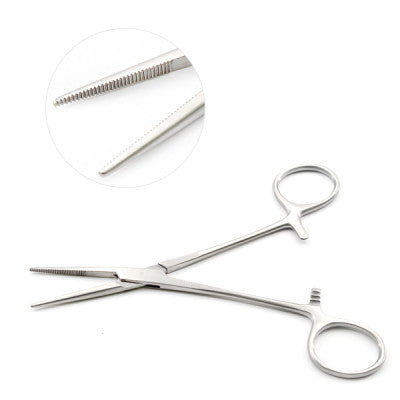
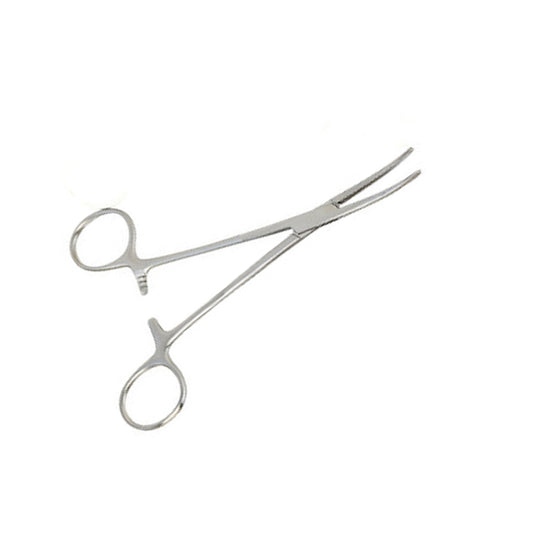
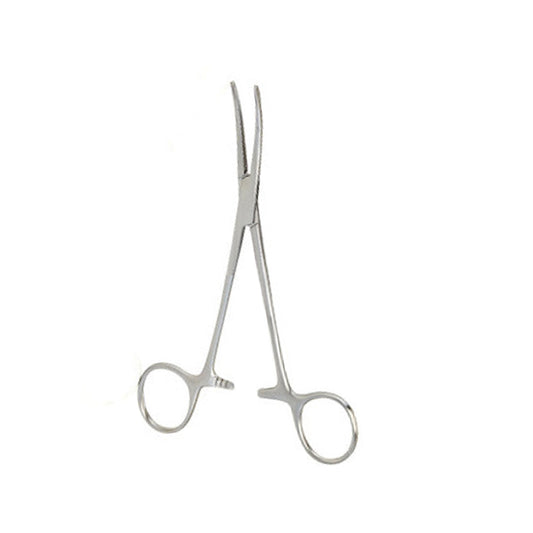
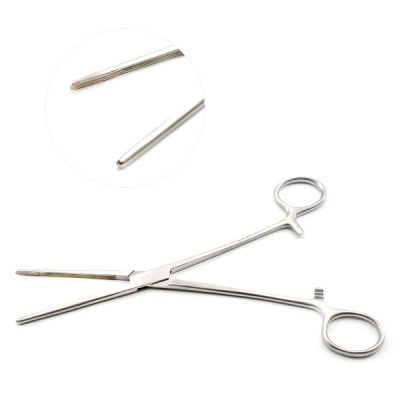
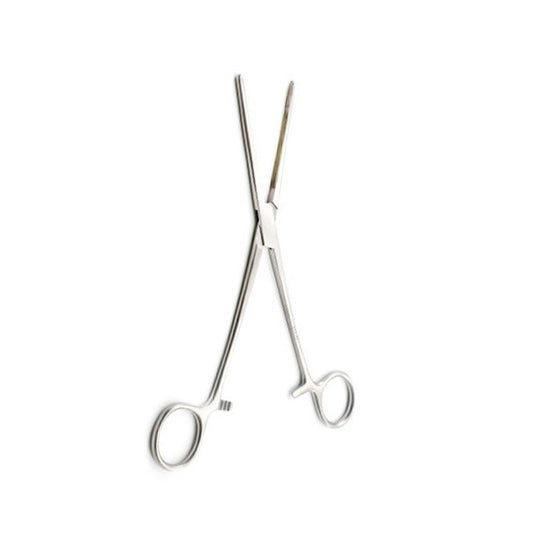
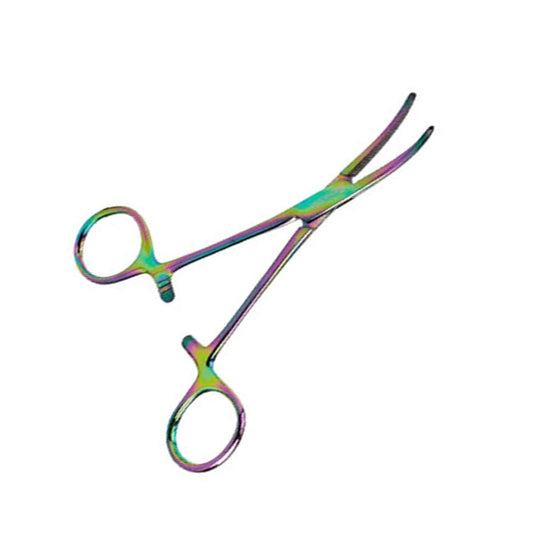
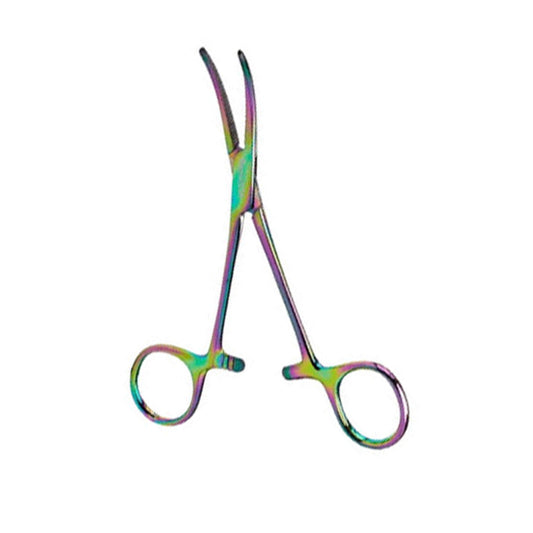
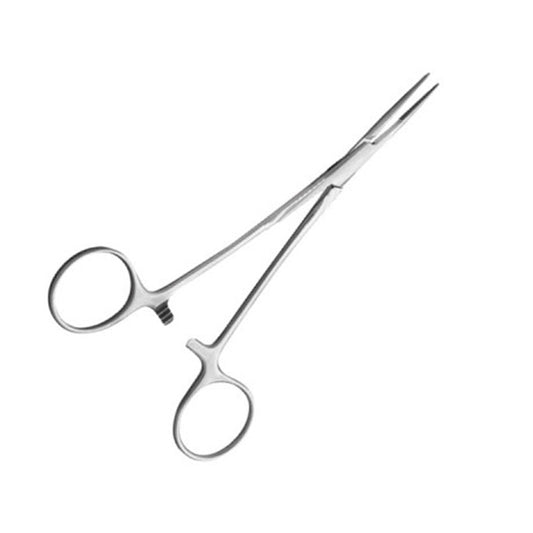
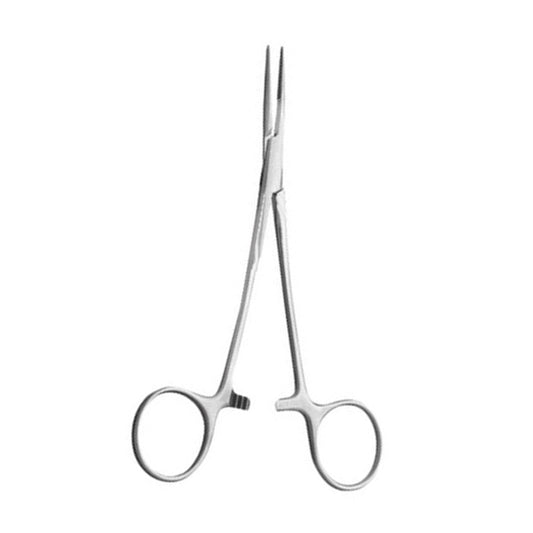
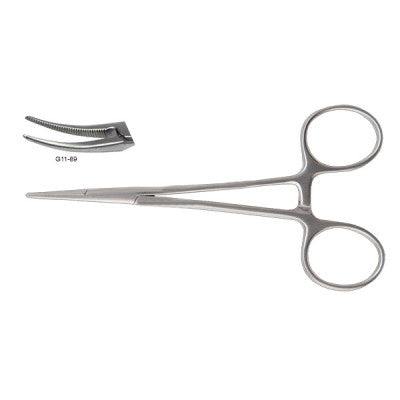
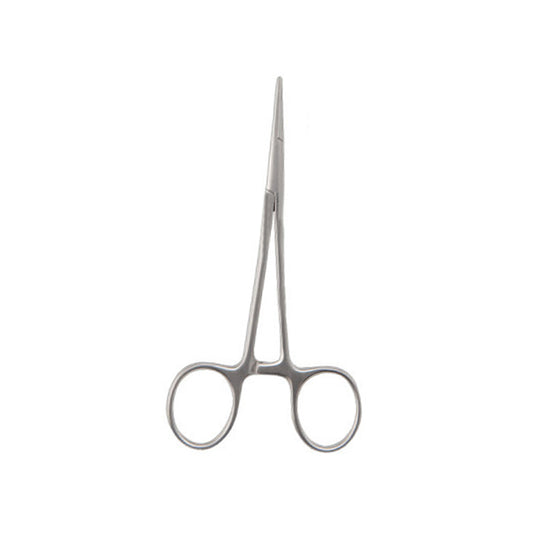
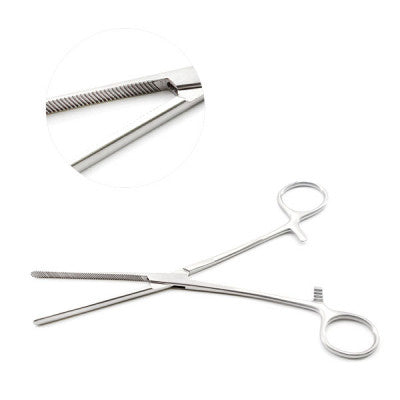
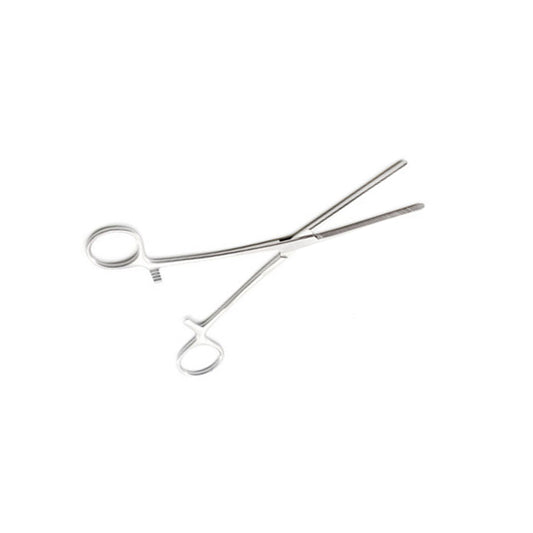
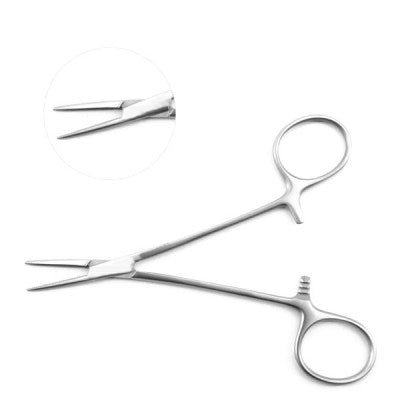
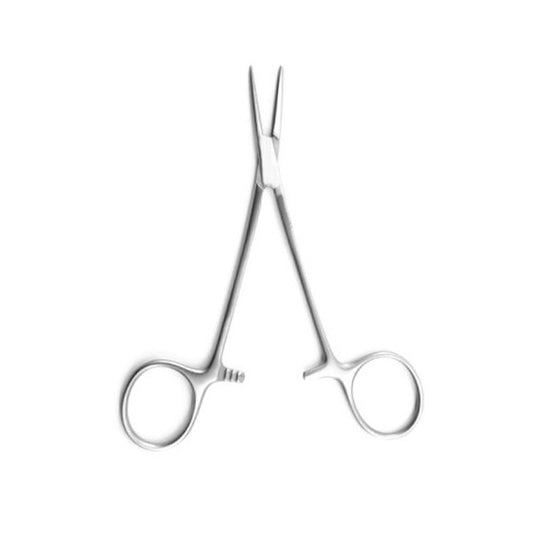
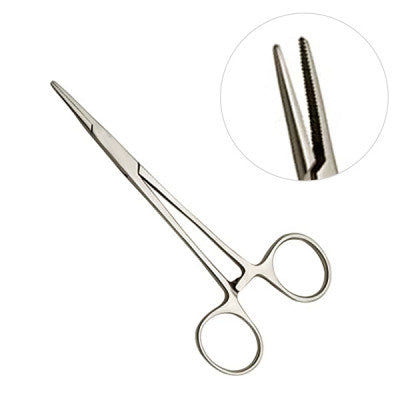
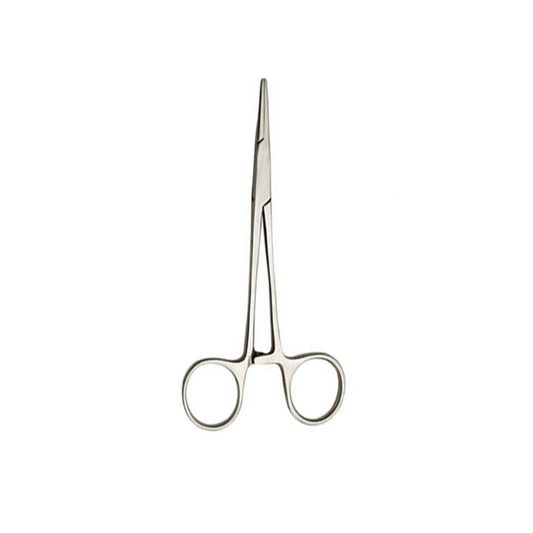
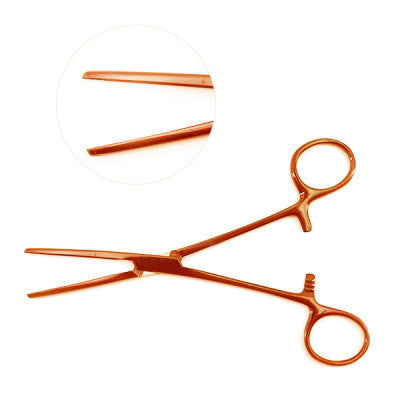
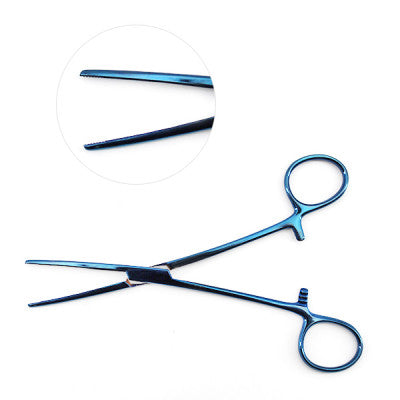
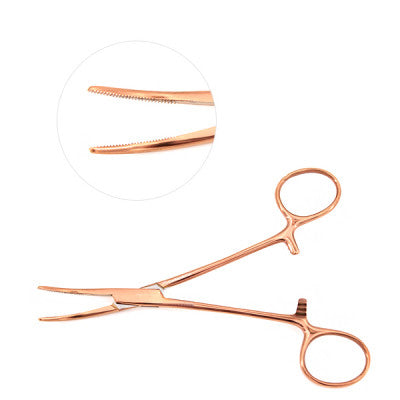
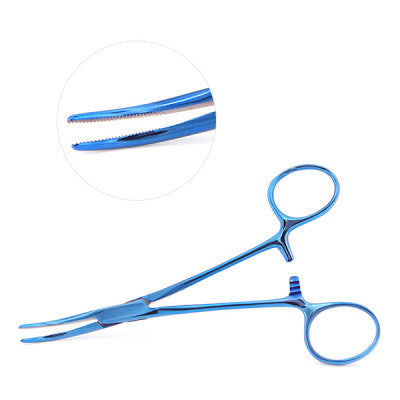
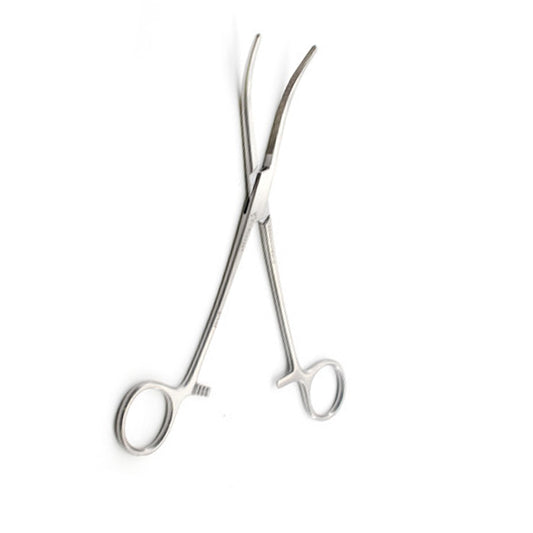
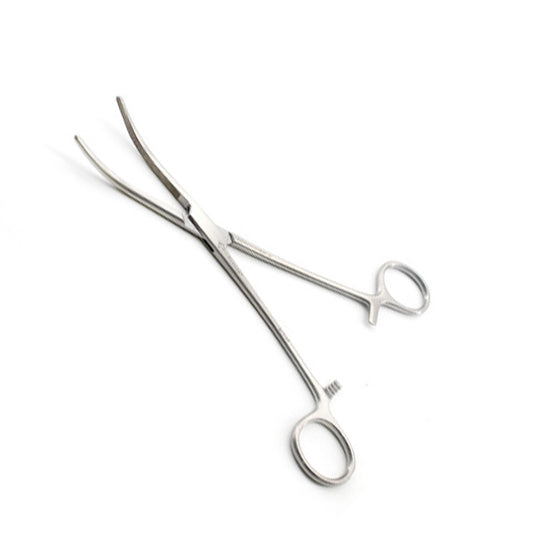
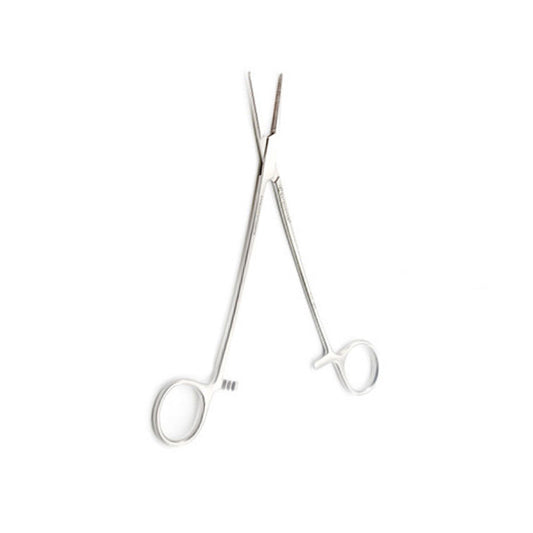
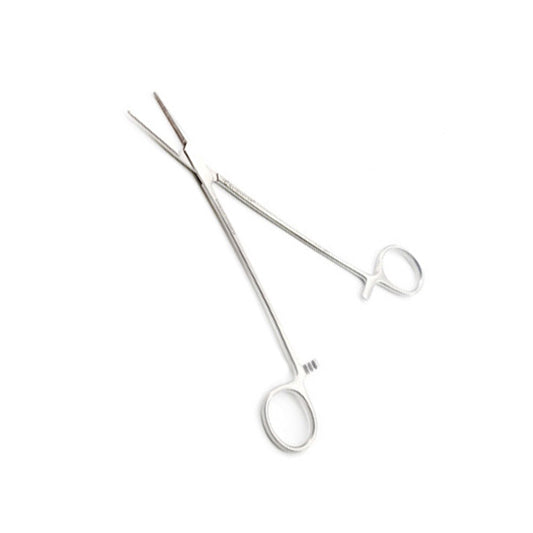
Hemostatic forceps, often called hemostats, are locking-jaw instruments used to clamp blood vessels and control bleeding during surgery. A ratcheted handle holds the jaws closed on a vessel without the surgeon needing to maintain grip pressure, freeing both hands for the next step — ligating, cauterizing, or continuing dissection.
What's in This Collection
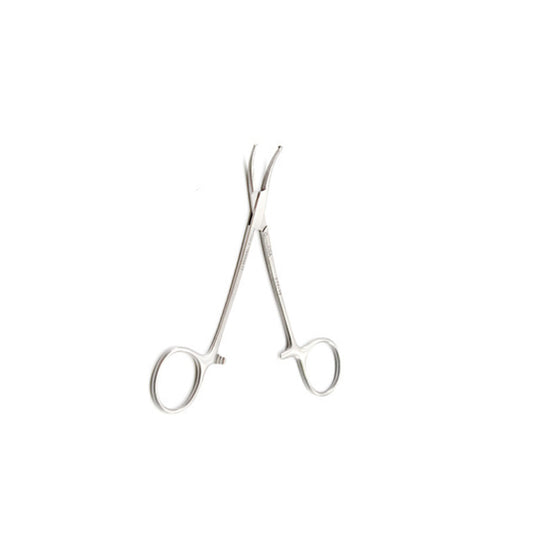
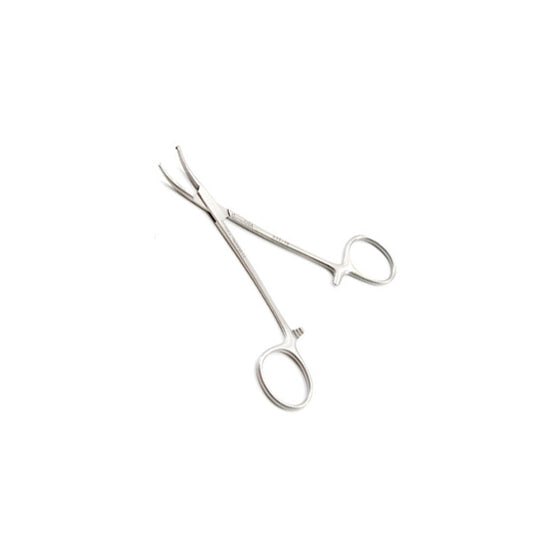
Mosquito forceps (Halsted Mosquito, Micro Mosquito, Jacobson Micro Mosquito) are the finest pattern here, used on small, delicate vessels where a larger clamp would cause unnecessary tissue trauma. Kelly and Crile forceps (including the Rankin Kelly and Crile Rankin variants) step up in size for general-purpose vessel and tissue clamping, differing mainly in jaw serration pattern rather than function. Carmalt and Rochester-Carmalt forceps, available in straight and curved patterns up to 8", handle larger vessels and tissue pedicles, with longitudinal serrations suited to broader clamping surfaces. Rochester-Pean and Rochester-Ochsner forceps add fully serrated jaws for a firmer hold on denser tissue, with the Ochsner pattern adding interlocking teeth at the tip for extra security on tougher structures. The Ferguson Angiotribe and Meeker Kantrowitz forceps are built for crushing and controlling larger vascular pedicles. Gemini Mixter forceps, with their right-angle jaw, are used to pass around and isolate a vessel during dissection rather than clamp it flat. The Hartman and Providence Hospital hemostatic forceps round out the smaller general-purpose range.
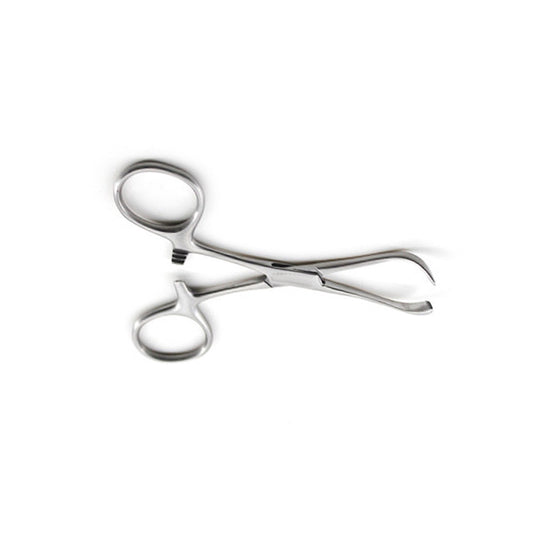
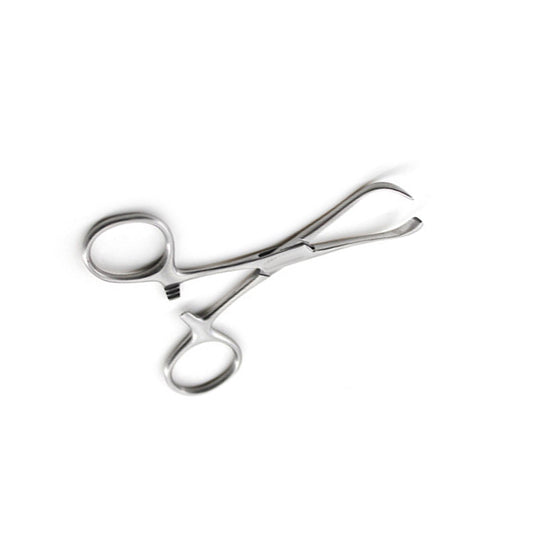
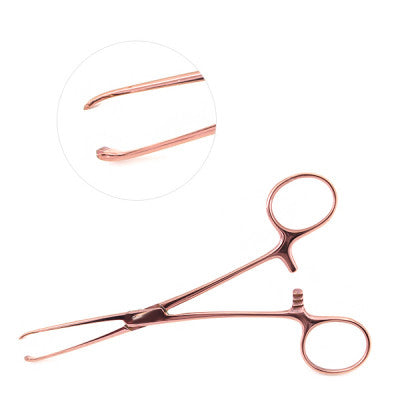
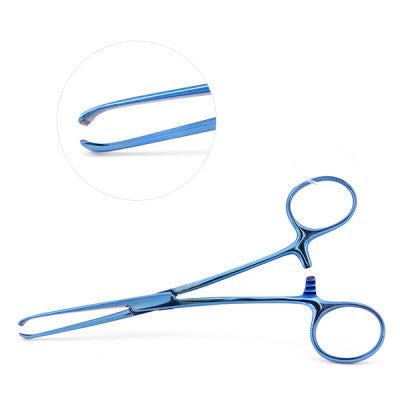
Two items in this collection sit slightly outside the hemostatic category but are commonly stocked alongside it: the Allis Tissue Forceps (Color Coated), used for secure tissue grasping rather than hemostasis, and the Lorna Non-Perforated Towel Clamp, used for securing surgical drapes.
Choosing the Right Pattern
Pattern selection follows vessel size and tissue density: mosquito forceps for fine vessels, Kelly or Crile for routine clamping, Carmalt or Rochester-Ochsner for larger vessels or tougher tissue, and Mixter forceps specifically when a vessel needs to be passed around rather than clamped directly. Curved jaws generally offer better visualization around a structure; straight jaws suit direct, in-line clamping.
Related Instruments
A hemostasis tray is typically built alongside Intestinal Instruments for tissue grasping, Atraumatic Forceps for gentler handling, Metzenbaum Scissors for dissection, and Towel Clamps for draping. Browse the full Veterinary Instruments catalog for the complete surgical set.
Ordering
Peak Surgicals manufactures and supplies veterinary hemostatic forceps in bulk for clinics and distributors worldwide, with international shipping and custom logo branding available on request — contact our team for a wholesale quote.
Frequently Asked Questions
What's the difference between Kelly and Crile forceps?
Both are general-purpose hemostatic forceps of similar size; the main difference is jaw serration — a Crile forceps has serrations along the full jaw length, while a Kelly forceps has serrations only at the tip.
What is an Ochsner forceps used for?
A Rochester-Ochsner forceps adds interlocking teeth at the jaw tip to a fully serrated jaw, giving a firmer hold on denser or tougher tissue than a standard Pean or Kelly pattern.
When would I use a Mixter forceps instead of a standard hemostat?
A Mixter forceps has a right-angle jaw designed to pass around and isolate a vessel during dissection, rather than clamp flat tissue the way a straight or curved hemostat does.
Why is a towel clamp included in a hemostatic forceps collection?
The Lorna towel clamp is grouped here as a commonly co-purchased instrument for securing surgical drapes, though it serves a different function from vessel-clamping hemostats.
What size hemostatic forceps should I use for small vessels?
Mosquito forceps — Halsted, Micro Mosquito, or Jacobson Micro Mosquito — are sized for fine, delicate vessels where a larger clamp would cause unnecessary tissue trauma.