Veterinary Dental Elevators
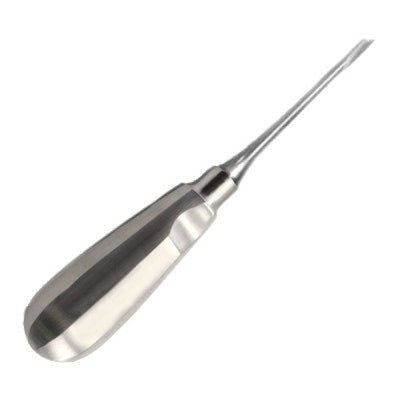
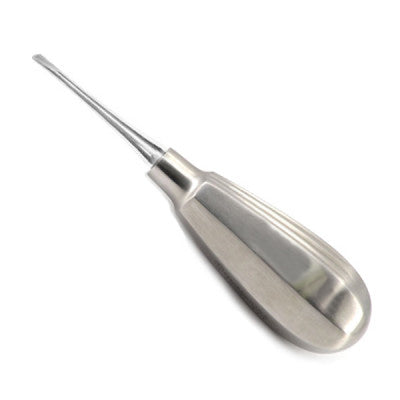
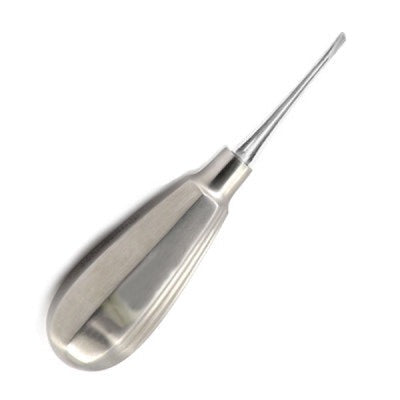
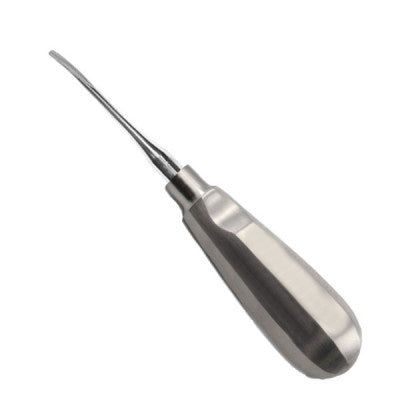
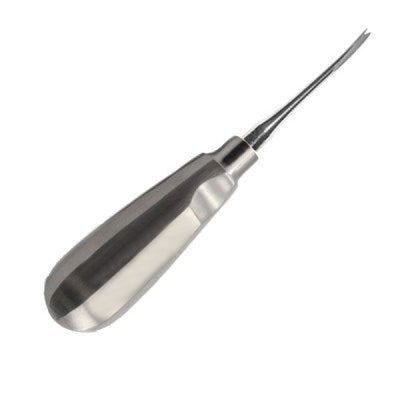
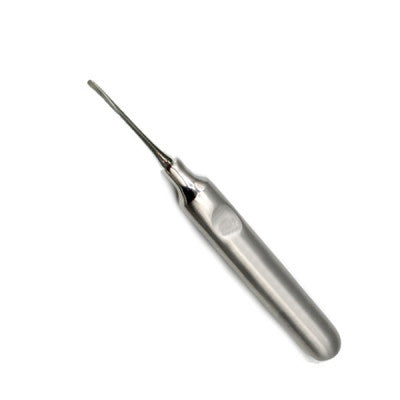
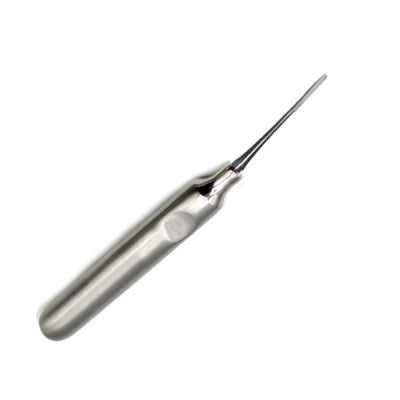
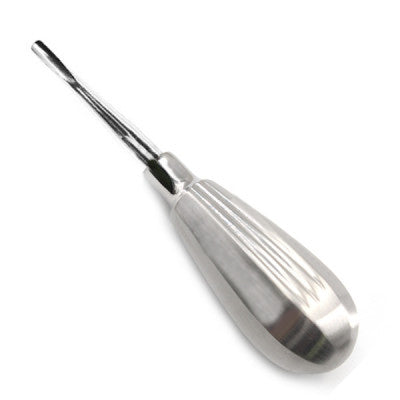
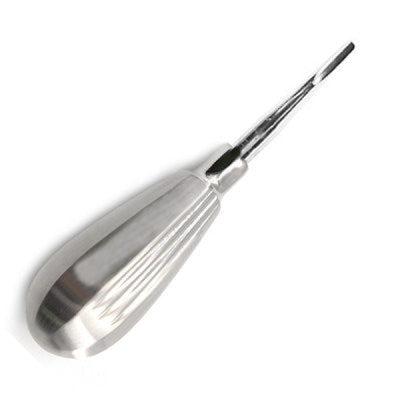
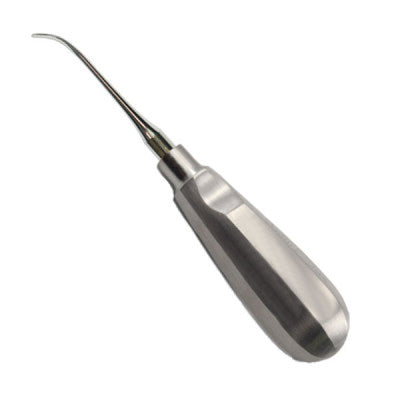
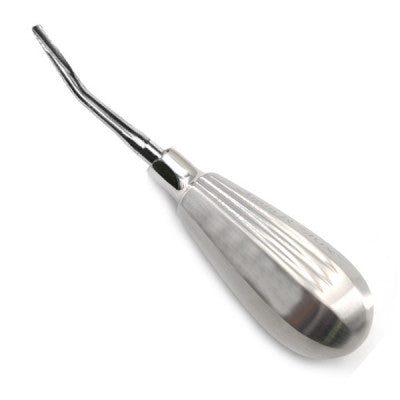
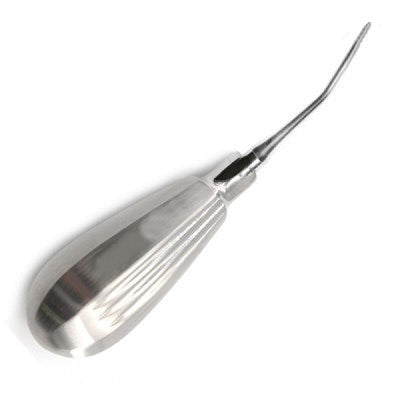
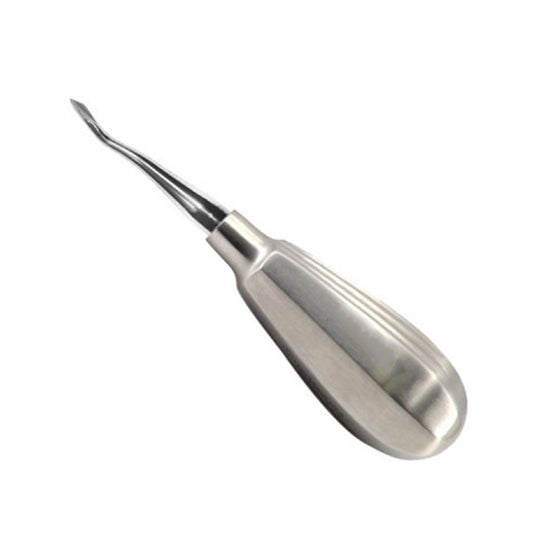
Dental elevators are used in veterinary extraction procedures to loosen a tooth or root from its socket by severing the periodontal ligament, working the instrument down along the root surface before the tooth or fragment is removed. This collection covers both general elevators and root tip–specific patterns, sized for canine and feline anatomy.
Root Tip Pick Elevators
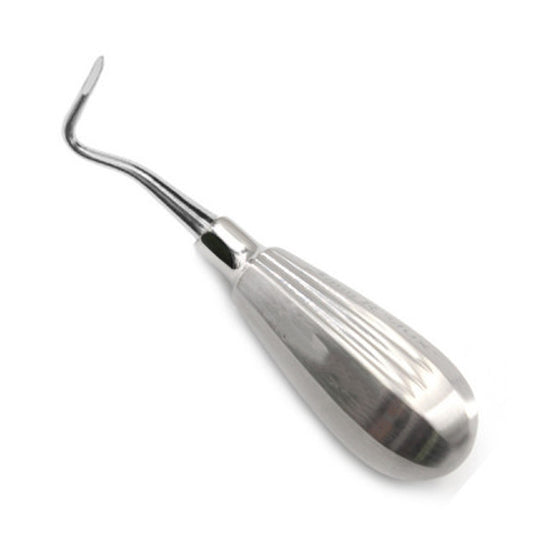
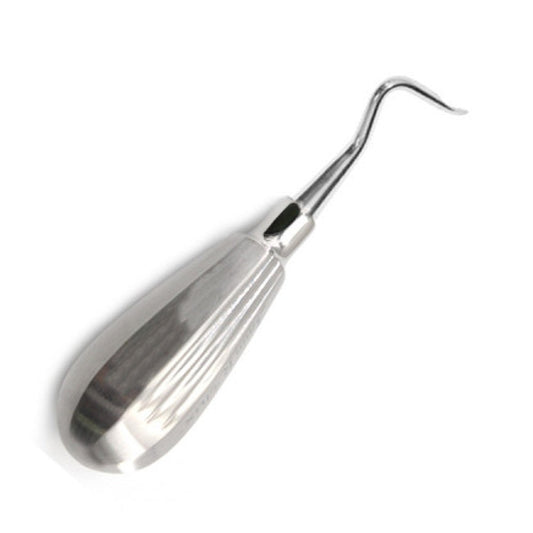
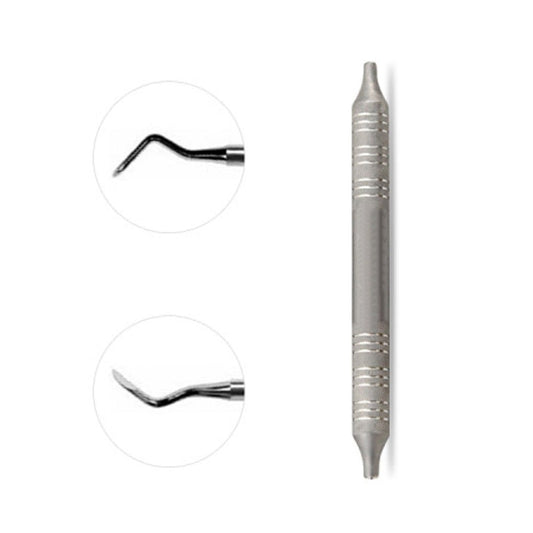
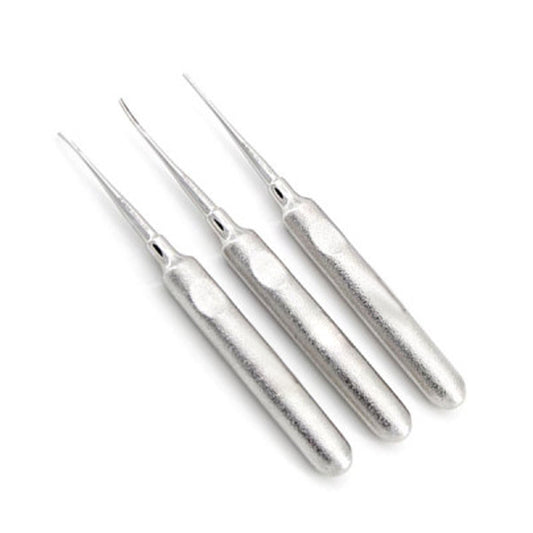
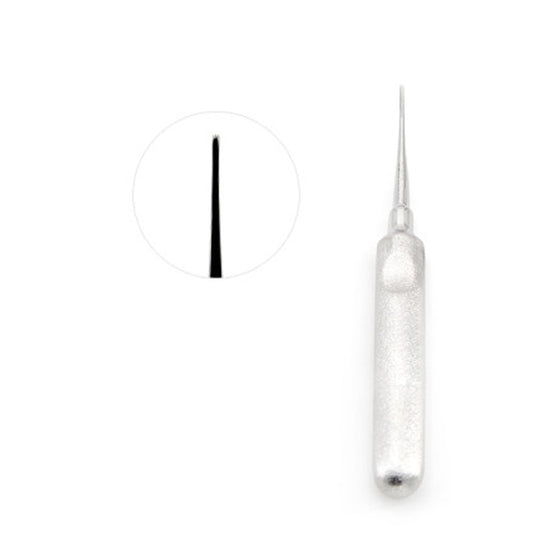
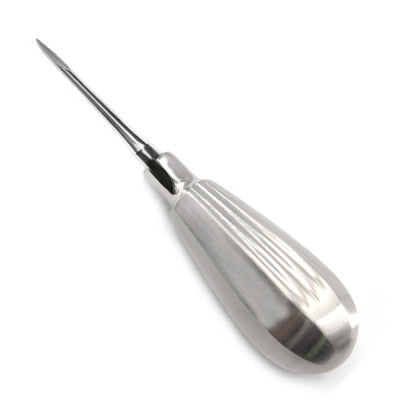
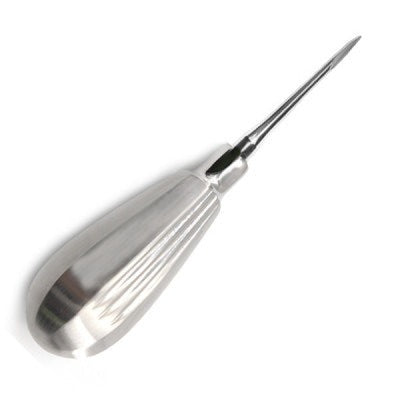
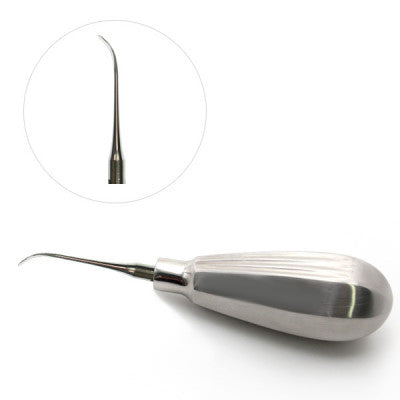
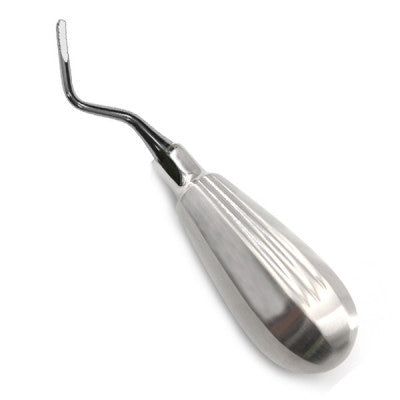
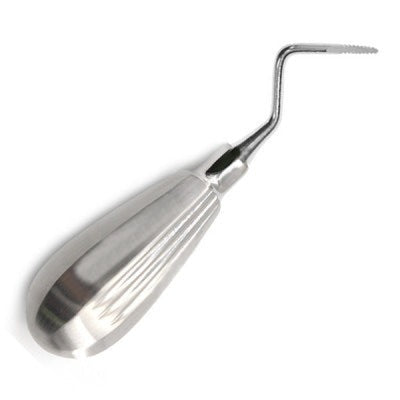
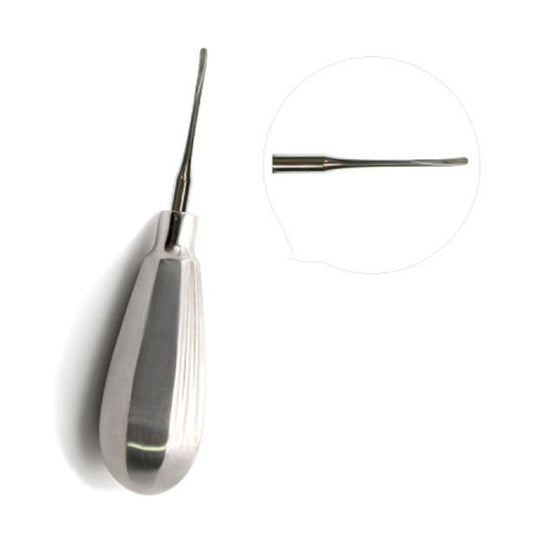
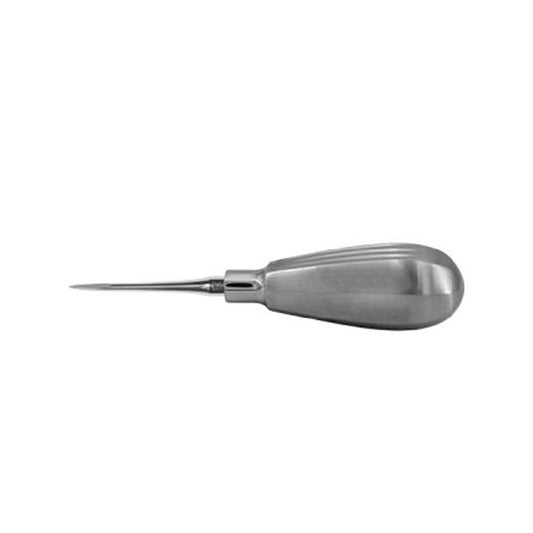
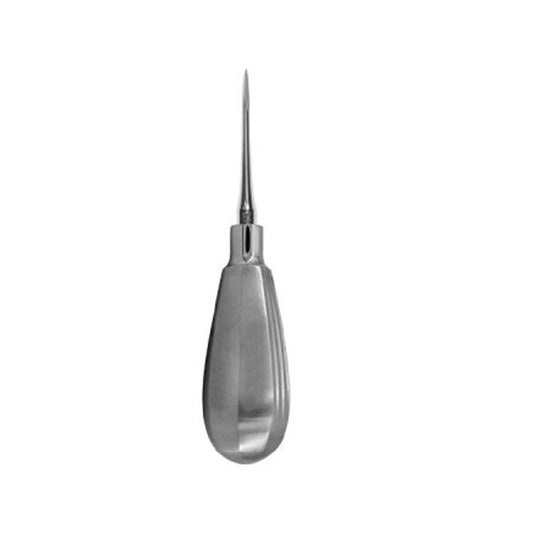
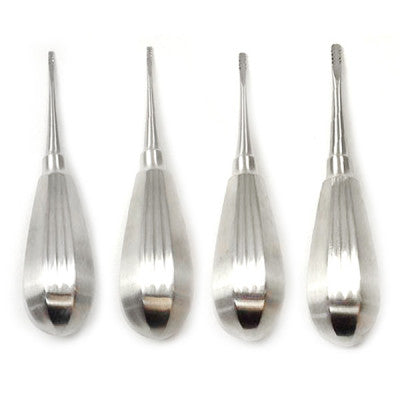
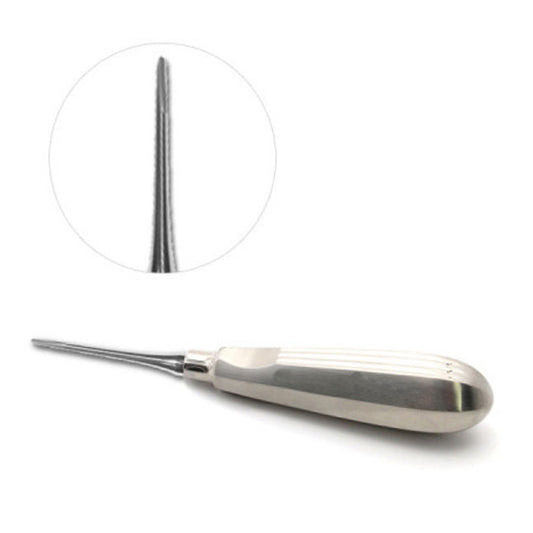
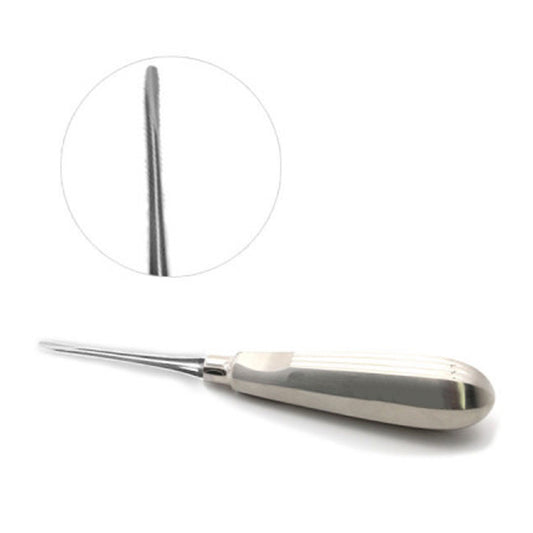
When a tooth crown fractures during extraction — a common occurrence, especially in cats — a fine-pointed instrument is needed to retrieve the remaining root fragment from the socket rather than a broader elevator. The Canine Root Tip Pick Elevator and Feline Root Tip Pick Elevator are sized for their respective species, while the Root Tip Elevator (31G/30G), Root Tip Elevator (Multiple Sizes), and Root Tip Pick Elevator extend the range across gauge sizes. The Becks Root Tip Pick Elevator (Serrated) adds a serrated tip for additional grip on a stubborn fragment.
Named Elevator Patterns
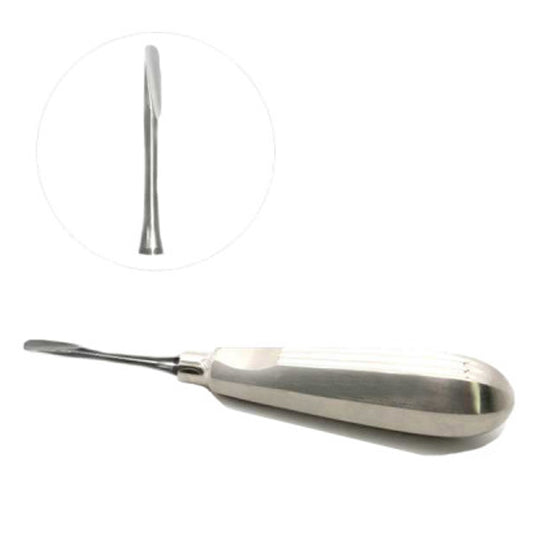
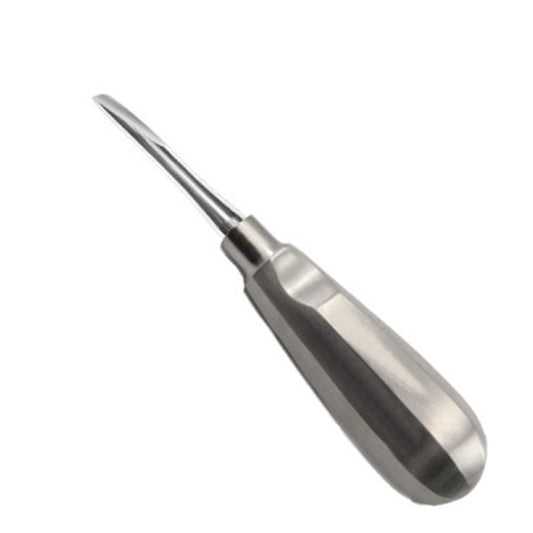
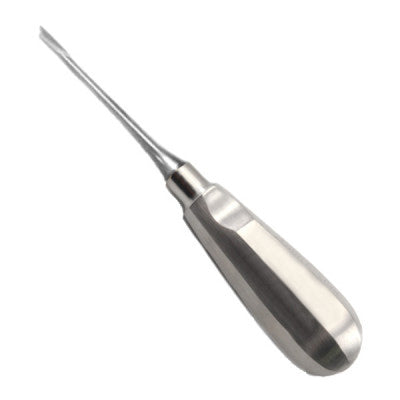
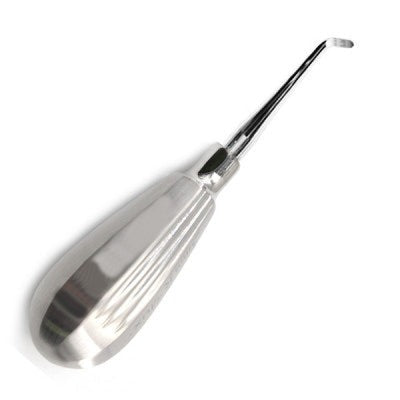
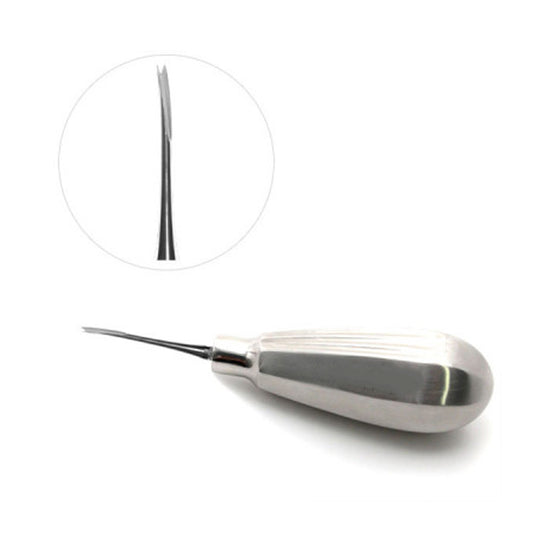
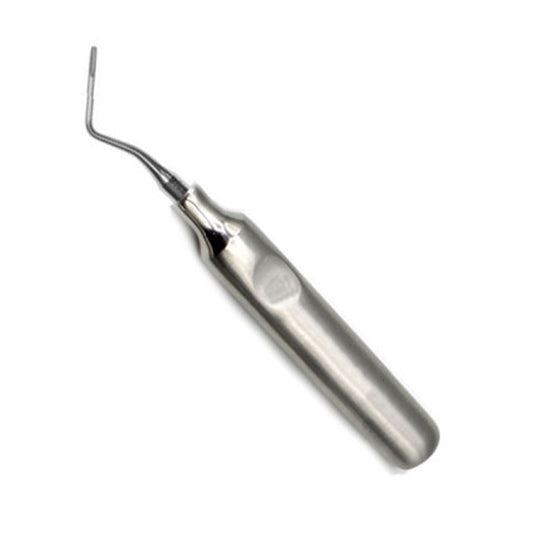
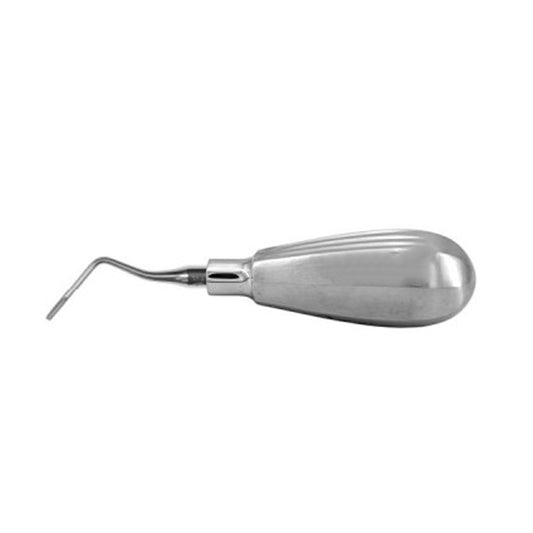
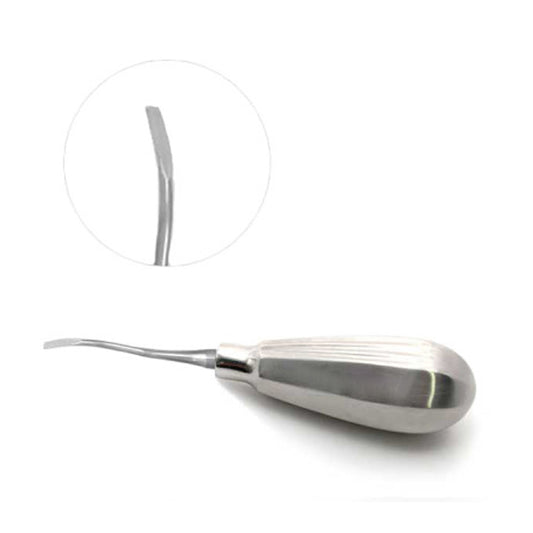
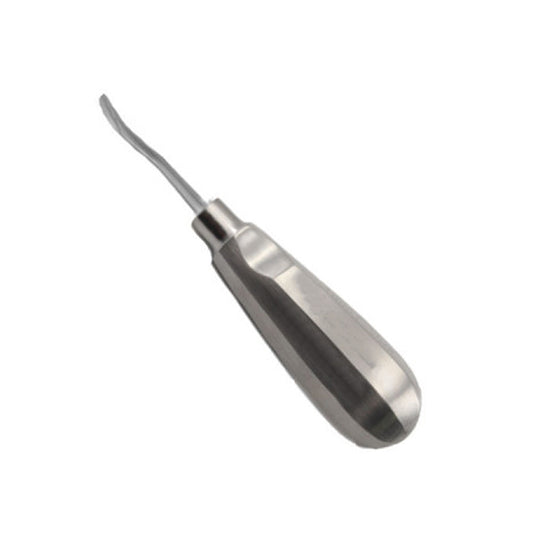
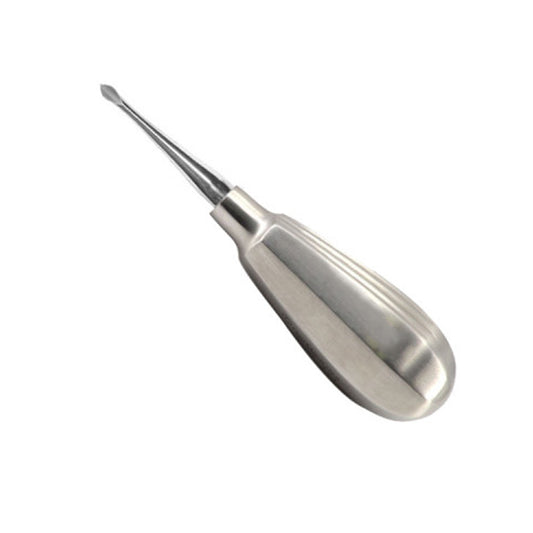
Several classic, eponymous elevator patterns are represented here. The Seldin Elevator uses a broad, flat blade well suited to severing the periodontal ligament along a wider root surface. The Holmstrom Modified Elevator offers a curved profile for angled access. The Lindo Levien Elevator uses a bayonet-shaped shaft with a serrated tip, letting the handle sit offset from the direct line of sight for posterior tooth access. The Warwick James Root Elevator is typically used as part of a set (straight and curved variants) to approach a root from different angles. The Apexo Elevator is a fine, pointed pattern purpose-built for root tip and apex removal, functioning similarly to a root tip pick but with its own blade geometry. The Howard Surgical Elevator and Small Surgical Elevator No. 304 round out the general small-elevator range.
Handle Length and Blade Style
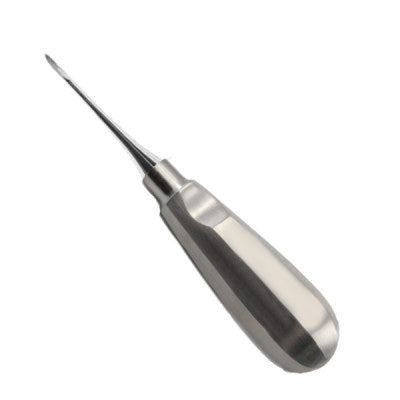
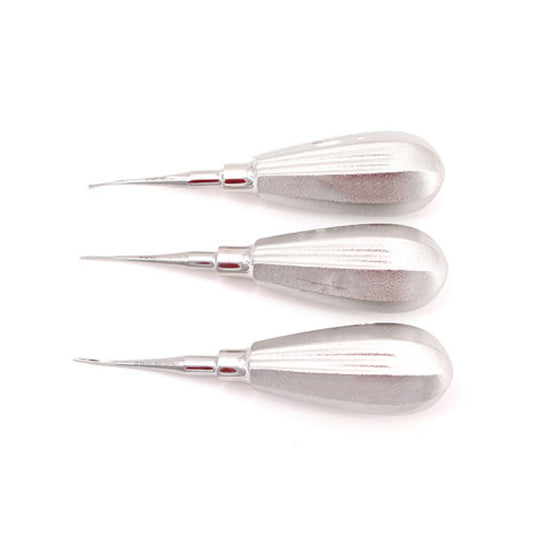
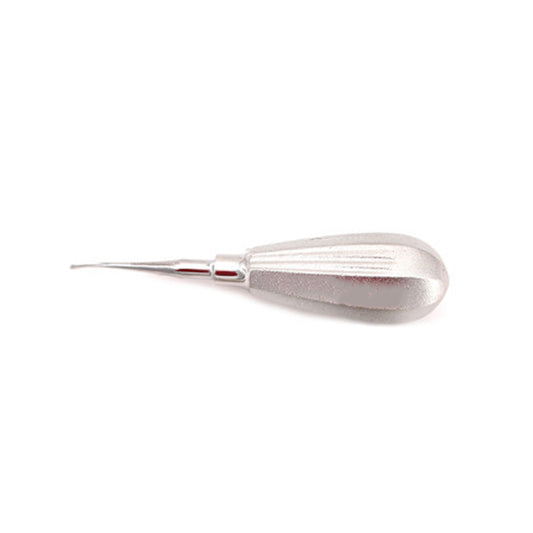
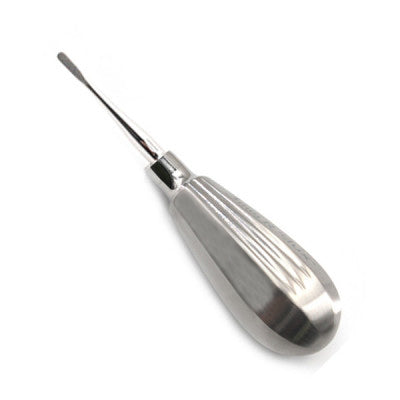
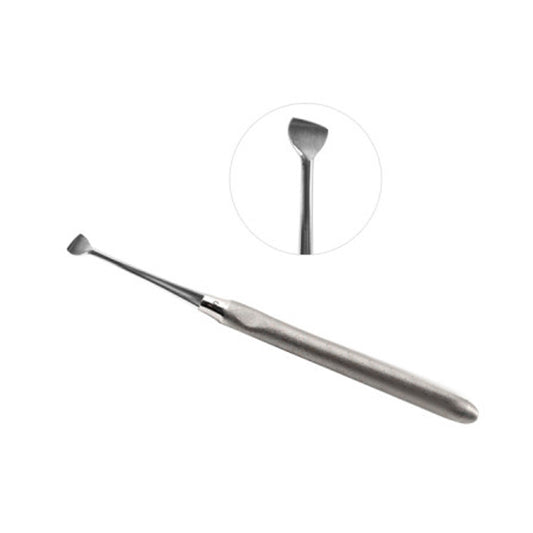
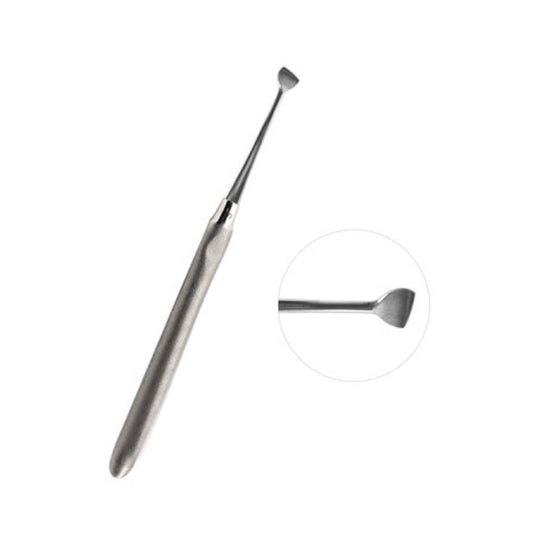
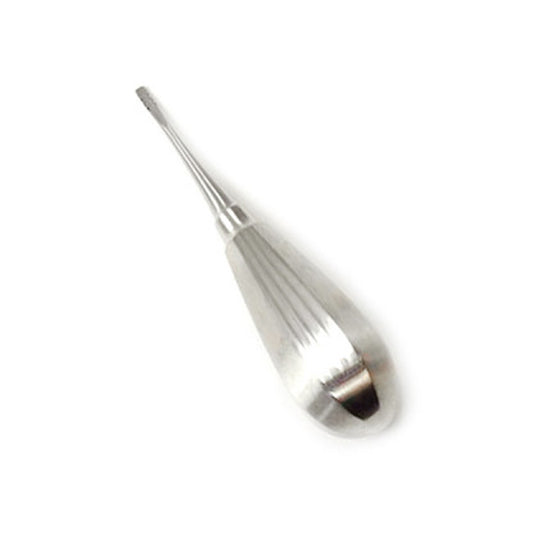
The Slimline Elevator is available in standard, long, and short handle lengths — a shorter handle gives finer control in tight access, while a longer handle trades some control for added leverage. The Straight Elevator, Inside Curved Root Elevators, Small Straight Chisel Edged Elevator, and Elevator (Serrated Jaws) offer further blade and curvature options for different root shapes and access angles. The Spade Elevator uses a flat, wedge-shaped tip, often the first instrument used to initiate periodontal ligament separation before switching to a finer pattern. The Feline Luxating Root Elevator Set (3pcs) and Root Elevator (1.3mm, Short Handle) are specifically sized for the smaller, more delicate anatomy of feline extractions.
Choosing the Right Elevator
Selection generally follows extraction stage and patient size: a broader pattern like the Seldin or Spade elevator typically starts the procedure by severing the ligament, while a fine root tip pick or Apexo elevator finishes the job or retrieves a fractured fragment. Feline-specific and 1.3mm patterns should be used on cats and small-breed dogs, where standard canine-sized instruments risk excessive force on smaller roots.
Related Instruments
Pair these elevators with Luxation Elevators and American Pattern Forceps for the extraction itself, and Dental Extracting Forceps for tooth removal following elevation. For socket cleanup after extraction, see Dental Curettes and Bone Curettes. For deciduous teeth specifically, see Deciduous & Notched Elevator. Browse the full Small Animal Dental Instruments catalog for the complete extraction range.
Ordering
Peak Surgicals manufactures and supplies veterinary dental elevators in bulk for clinics and distributors worldwide, with international shipping — contact our team for a wholesale quote.
Frequently Asked Questions
What is a root tip pick elevator used for?
It's used to retrieve a fractured root fragment left in the socket after a tooth crown breaks during extraction — a fine, pointed tip reaches and lifts the fragment rather than severing ligament along a full root.
What's the difference between a canine and feline root tip elevator?
They're sized for the respective species' anatomy — feline instruments are finer and smaller, suited to the more delicate roots and smaller sockets found in cats.
What is an Apexo elevator used for?
It's a fine, pointed elevator purpose-built for root tip and apex removal, similar in function to a root tip pick but with its own blade geometry.
Why does the Slimline Elevator come in different handle lengths?
A shorter handle gives finer control in tight access areas, while a longer handle provides more leverage at some cost to precision — the choice depends on tooth position and access.
What is a Spade Elevator used for?
Its flat, wedge-shaped tip is often used as the first instrument in an extraction, to initiate periodontal ligament separation before a finer elevator finishes the job.