Featured Collection
Your cart
Featured Collection

PEAK SURGICAL
SKU:PS-1411
Couldn't load pickup availability
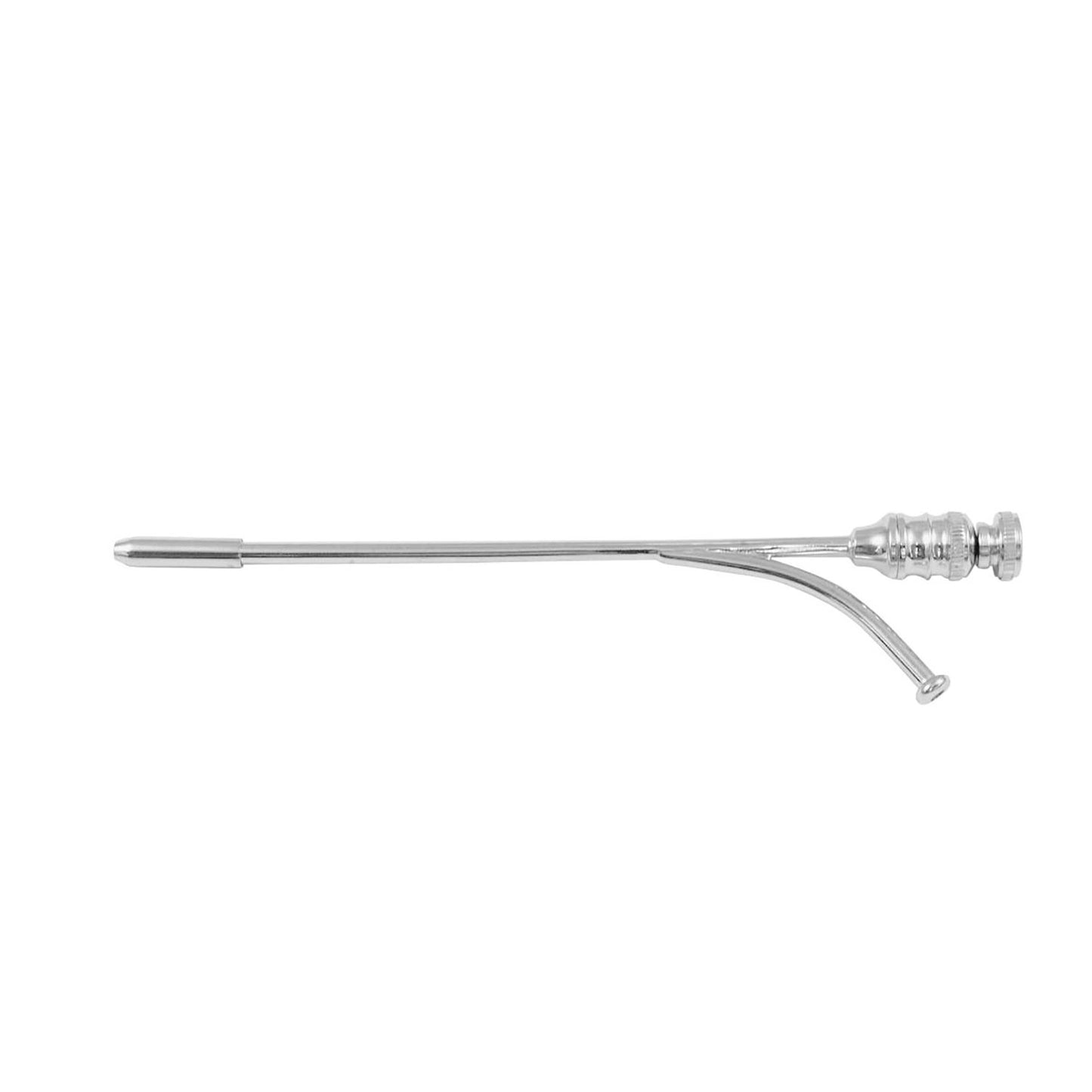
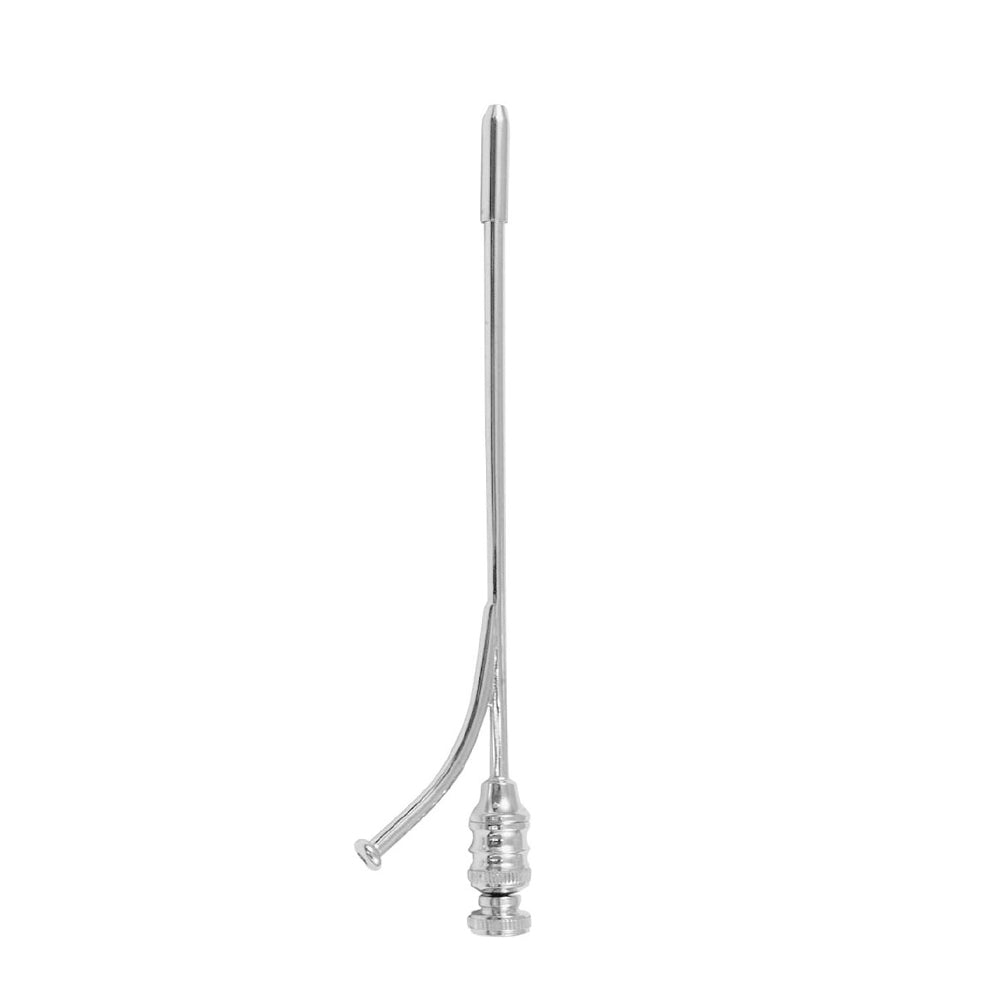
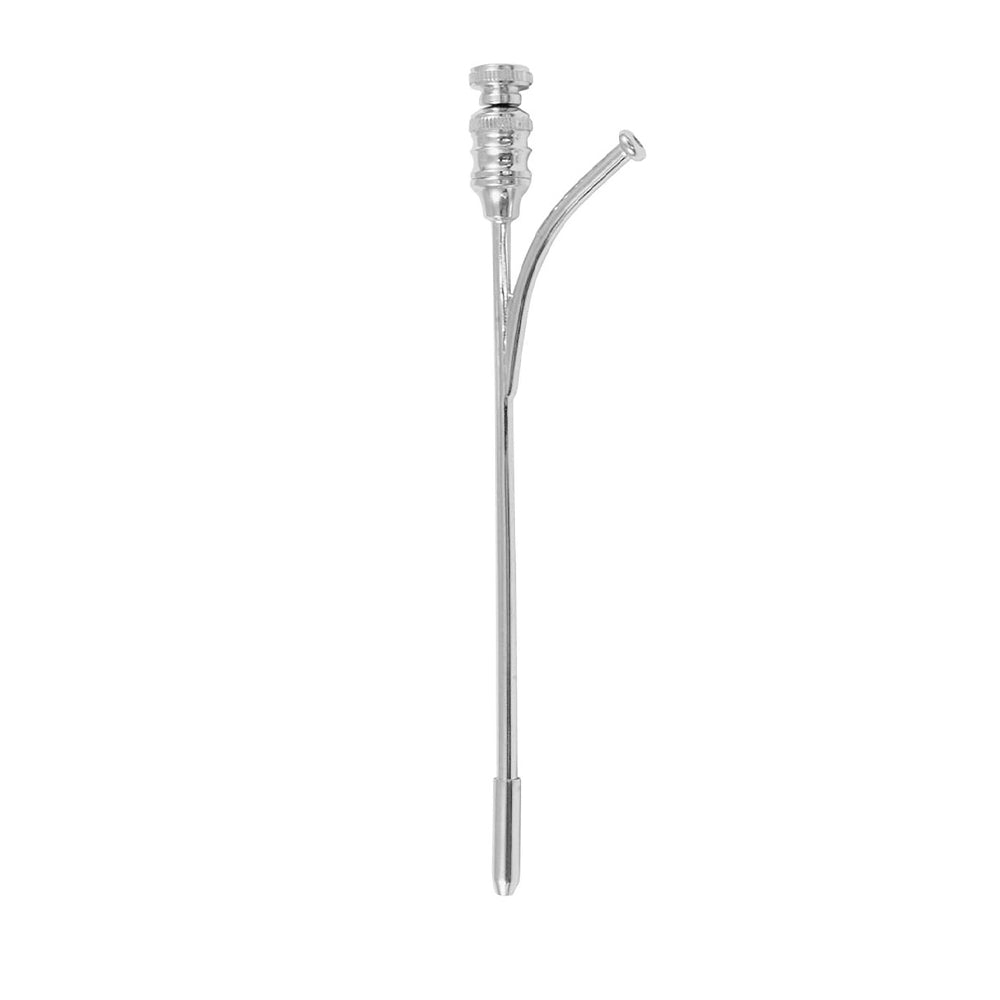
The Ochsner Trocar from Peak Surgicals (SKU: PS-1411) is a reusable German Stainless Steel general urology instrument designed for controlled trocar-cannula access, suprapubic bladder entry, cystostomy tract creation, and drainage pathway establishment during open and controlled urologic procedures. This product is listed in two configurations: Ochsner Trocars 6 1/4" and Ochsner Trocar Origional Model 6", with each instrument priced at $66.00. The visible design includes a cylindrical outer cannula, rounded distal access profile, internal trocar obturator, proximal threaded connector, knurled control collar, side outlet tube, ring-ended stylet control, and straight working shaft for directional entry. Urologists, general surgeons performing urology procedures, emergency surgical teams, hospital operating rooms, ambulatory surgical centers, outpatient urology units, and procurement departments use this trocar during suprapubic cystostomy, bladder drainage access, urinary retention decompression, cystotomy support, lower urinary tract instrumentation, pelvic urology exposure, and controlled percutaneous bladder access. The cannula-obturator format creates a defined access channel while the outlet supports drainage, irrigation, and connection workflow after entry.
The Ochsner pattern works through a cannula and obturator arrangement that creates controlled access into the target urologic cavity. The outer cannula provides the working channel, while the internal trocar obturator supports initial passage by giving the instrument a firm leading profile during entry. Once access is established, the obturator can be withdrawn so the cannula lumen remains available for urine drainage, irrigation, catheter passage, or connection to tubing. The straight shaft gives the surgeon axial control during suprapubic bladder access and helps maintain direction from the abdominal wall toward the bladder dome. The proximal threaded connector and knurled collar provide a secure gripping and attachment zone for handling, assembly, disassembly, and tubing interface. The side outlet tube creates a drainage or irrigation pathway while the main cannula remains positioned. The ring-ended stylet control supports insertion and withdrawal of the internal component. This design keeps the access route organized during bladder decompression, cystostomy preparation, and urology drainage workflow.
During suprapubic cystostomy, the Ochsner Trocar is used to establish a controlled tract into the bladder dome through a lower abdominal approach. The cannula provides the access channel after the trocar component has created entry, allowing drainage or instrument passage to proceed through a defined lumen. In acute urinary retention management, the instrument supports bladder decompression when suprapubic access is selected as the clinical route. During cystotomy support, the trocar-cannula structure can assist with drainage, irrigation, and controlled lower urinary tract access while the surgeon manages bladder exposure. In pelvic urology procedures, the straight shaft and compact proximal connector help maintain access without occupying the entire operative corridor. The side outlet supports fluid evacuation or irrigation flow during cystostomy and bladder drainage work. The instrument is used in operating rooms, emergency surgical settings, and urology procedure units where rigid access, stable cannula placement, and reusable stainless steel construction are required.
The Ochsner Trocars 6 1/4" configuration provides slightly extended working length for suprapubic bladder access where abdominal wall thickness, tissue depth, sterile draping, or procedural angle requires additional reach. This length is useful when the surgeon needs hand clearance while maintaining cannula control at the bladder entry site. The Ochsner Trocar Origional Model 6" configuration provides a compact standard working length for routine urology access where the target depth is shorter and close manual control is preferred. The 6" format reduces unnecessary external instrument length while preserving the cannula-obturator principle. Both variants use the same clinical access concept: an internal obturator for entry, a cannula for maintained lumen access, a proximal connector for handling, and a side outlet for drainage or irrigation workflow. This two-length structure gives urology teams a practical choice between compact handling and additional reach. The surgeon selects the model according to patient anatomy, entry depth, and procedural setup.
German Stainless Steel gives the Ochsner Trocar the rigidity, corrosion resistance, and surface durability required for repeated urology instrument use. A trocar-cannula instrument must retain shaft alignment, obturator fit, lumen patency, side outlet integrity, connector threading, and smooth distal contour because distortion can affect access control and drainage performance. Satin and dull finishes reduce glare under operating room and procedure-room lighting, while mirror finish provides a smooth surface for post-cleaning inspection. After use, the cannula lumen is flushed, the obturator is cleaned separately, the side outlet is brushed, the threaded connector is cleared of residue, and the shaft is inspected before steam sterilization by autoclave after complete drying. The Class I classification, CE marking, ISO-13485 certification, and FDA compliance support hospital purchasing, distributor documentation, and international tender files. The listed 1-year warranty, MOQ of 1 piece, OEM availability, rust-free construction, carton packing, and return and replacement service support reusable urology tray replacement planning.
| SKU | PS-1411 |
|---|---|
| Product Name | Ochsner Trocar |
| Price | $66.00 per piece |
| Size/Gauge Variants | Ochsner Trocars 6 1/4"; Ochsner Trocar Origional Model 6" |
| Instrument Category | General Urology Instruments / Trocars Cannulas Obturators |
| Procedure | Suprapubic Cystostomy, Bladder Drainage Access, Urinary Retention Decompression, Cystotomy Support, Lower Urinary Tract Instrumentation, Controlled Urology Access |
| Material | German Stainless Steel |
| Finish | Satin, Dull, Mirror |
| Sterilization | Steam sterilizable / Autoclave compatible |
| Instrument Classification | Class I |
| Reusable | Yes |
| Certifications | CE, ISO-13485, FDA |
| Warranty | 1 Year |
| MOQ | 1 Piece |
| OEM / Custom Orders | Available |
| After-Sale Service | Return and Replacement |
How does the Ochsner Trocar compare with a female urethral catheter?
The Ochsner Trocar is a rigid trocar-cannula instrument used to create and maintain suprapubic urology access. A female urethral catheter is introduced through the urethral meatus and follows the urethral lumen into the bladder. The trocar pattern is selected when access is made through a suprapubic route rather than through the urethra. The cannula and obturator structure gives the Ochsner Trocar a defined entry-and-channel function, while the catheter is primarily a drainage tube for urethral placement. The side outlet and proximal connector support drainage or irrigation workflow after the cannula is positioned. Female urethral catheters are suited to short urethral bladder drainage, while the Ochsner Trocar supports controlled suprapubic access. In urology trays, both instruments support bladder access but use different anatomical routes and mechanisms.
Which Ochsner Trocar length is selected for each urology workflow?
The 6" original model is selected when the surgeon needs compact control during standard suprapubic access or cystostomy-related work. Its shorter working length keeps the handle closer to the entry site and supports direct tactile control. The 6 1/4" configuration gives slightly more reach for thicker abdominal wall access, deeper lower abdominal fields, and cases where draping or hand position requires extra clearance. Both Ochsner Trocar variants use the same cannula-obturator access concept, so the clinical difference is working length rather than instrument category. The surgeon selects the length according to entry depth, patient build, tissue thickness, and operating field setup. The shorter version supports close control, while the longer version supports additional reach. This makes the instrument range practical for urology departments that need more than one suprapubic access option.
What do CE, ISO 13485, and FDA compliance mean for procurement?
CE marking supports conformity documentation for hospitals, clinics, and distributors sourcing reusable urology instruments. ISO 13485 indicates that manufacturing is managed under a medical device quality management system with controlled production, inspection, and traceability. FDA compliance supports procurement files for buyers sourcing reusable stainless steel surgical instruments for regulated markets. The Ochsner Trocar is listed as a Class I reusable instrument, which fits standard purchasing categories for non-powered general urology tools. These credentials help procurement officers compare the item against tender requirements, internal sourcing policies, and distributor documentation needs. German Stainless Steel construction, 1-year warranty, MOQ of 1 piece, OEM availability, rust-free finish, and return and replacement service support repeat ordering. For urology departments and surgical centers, the documentation aligns trocar-cannula access function with regulated purchasing expectations.
How is the obturator and side outlet used during bladder access?
The obturator is seated inside the cannula during entry so the instrument has a firm leading profile. After the access channel is established, the obturator can be withdrawn while the cannula remains in place. The cannula lumen then provides a pathway for drainage, irrigation, or catheter-related workflow depending on the operative plan. The side outlet allows fluid to be directed away from the field or connected to tubing while the main shaft remains positioned. The Ochsner Trocar uses this arrangement to separate the access step from the drainage step. The knurled connector helps maintain grip and control during assembly, removal, and attachment. This mechanism is central to controlled suprapubic cystostomy and lower urinary tract access.
How should the Ochsner Trocar be cleaned and sterilized after use?
After use, the cannula, obturator, connector, and side outlet are decontaminated promptly so blood, urine residue, mucus, lubricant, tissue debris, or saline does not dry on the internal and external surfaces. The main lumen is flushed and brushed because retained material can obstruct drainage or instrument passage during the next procedure. The side outlet is cleaned carefully because narrow secondary channels can retain residue. The threaded connector and knurled collar are brushed so attachment surfaces remain functional. The obturator is cleaned separately and inspected for smooth fit inside the cannula. German Stainless Steel supports steam sterilization by autoclave after complete cleaning and drying. The Ochsner Trocar should return to the urology tray only after the lumen is patent, the side outlet is clear, the obturator seats correctly, and all surfaces are visually clean.