
Featured Collection
Your cart
Featured Collection

PEAK SURGICALS
SKU:PS-DI-00408
Couldn't load pickup availability
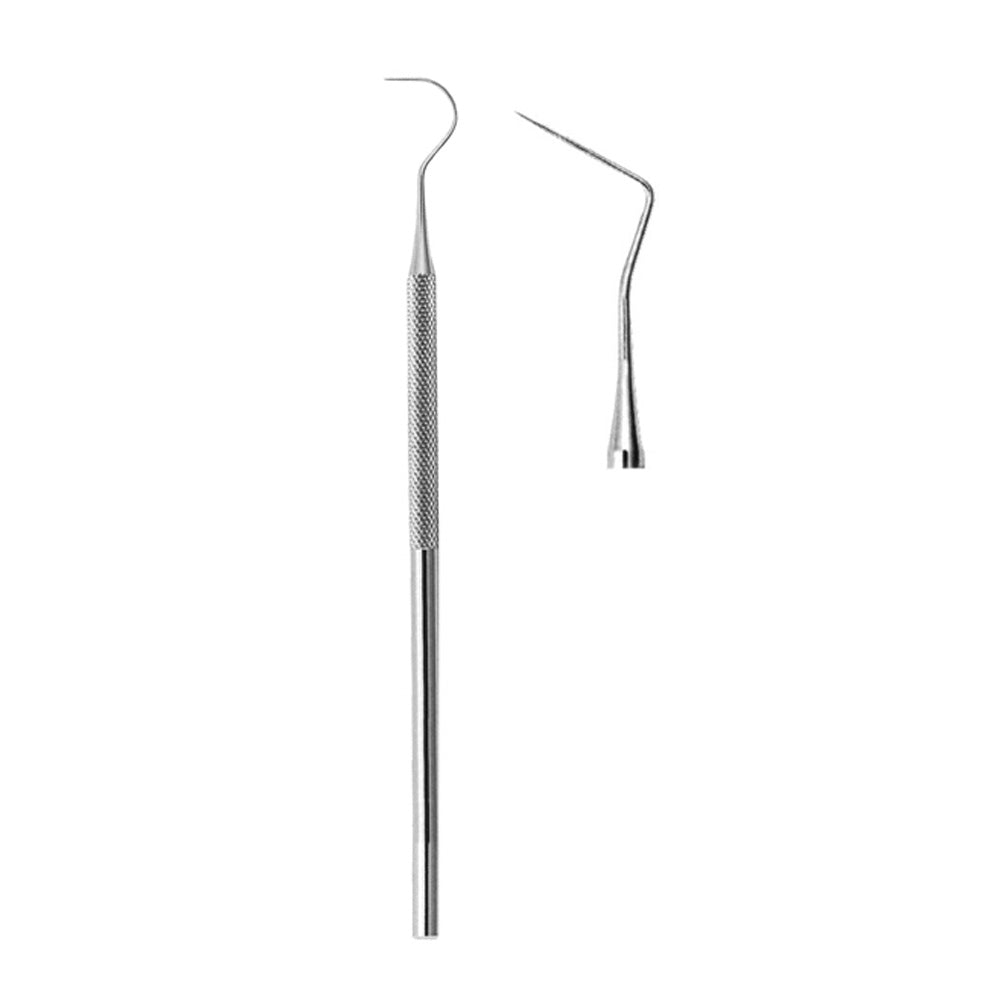
In the field of dentistry, for patients The quality of diagnosis is dependent on the tools employed to determine it. It is the Adea Dental Explorer is made from top-quality stainless steel and can be considered an essential tool for those who value sensitivity to touch and long-term stability. If you're conducting an annual check-up or complicated restorative examination, this explorer was made to provide the information required for providing the best treatment for patients.
Why Choose Stainless Steel for Dental Explorers?
The selection of the material is crucial for hand instruments of any kind. Adea makes use of premium-grade stainless steel to make sure that every explorer complies with strict medical standards. The advantages include:
Key Features of the Adea Dental Explorer
Adea Dental Explorer has been designed with the ergonomics and features that modern dental professionals require.
Clinical Applications
The principal function that Adea Dental Explorer is that it plays a vital role in Adea Dental Explorer is the "exploration" of the oral cavity to find any abnormalities that the naked eye could overlook. Its functions are:
Maintenance for Longevity
To ensure that your Adea stainless steel instrument will last for many years It is advised to adhere to an exact sterilisation process. Make sure to clean any dirt from the tips right after using. Use pH-neutral cleaning agents and make sure the instruments are dry prior to undergoing this autoclaving method.
Conclusion
It is the Adea Dental Explorer is more than a stainless steel piece; it is an enhancement of a dentist's senses. Combining traditional techniques with the latest technology, Adea provides a diagnostic tool that is as reliable as it is accurate. Making an investment in explorers of high-end quality is a way to invest in diagnostic accuracy and confidence.
