


PEAK SURGICAL
Pennington Hemorrhoidal Forceps for 15.9cm Hemorrhoid Tissue Grasping
Pennington Hemorrhoidal Forceps for 15.9cm Hemorrhoid Tissue Grasping
SKU:PS-1366
Couldn't load pickup availability
- 30 Days Money Back Guarantee.
- 100% Quality Satisfaction.
- Medical Grade Steel Reusable.
 CE Certified
 FDA Certified
 ISO Certified


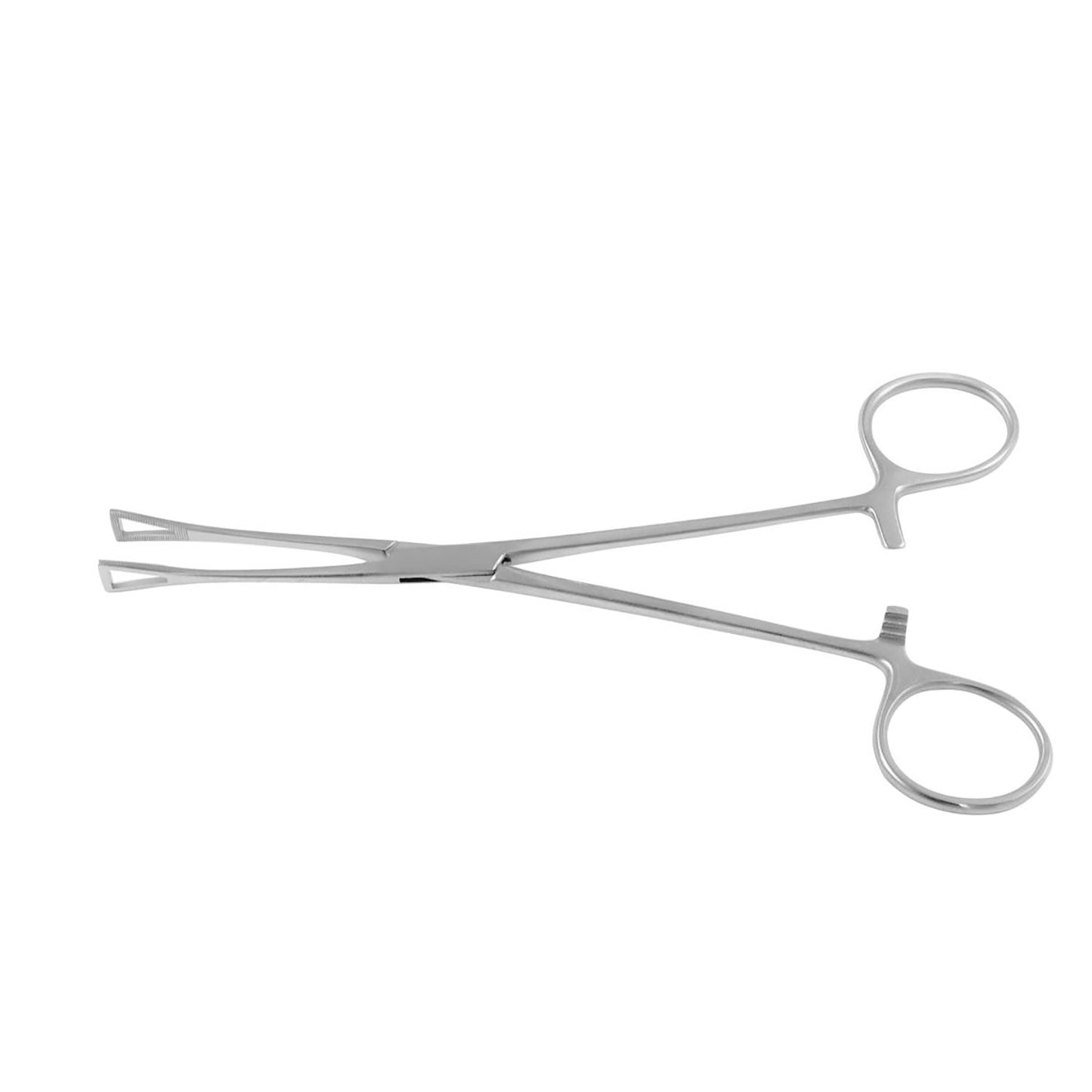
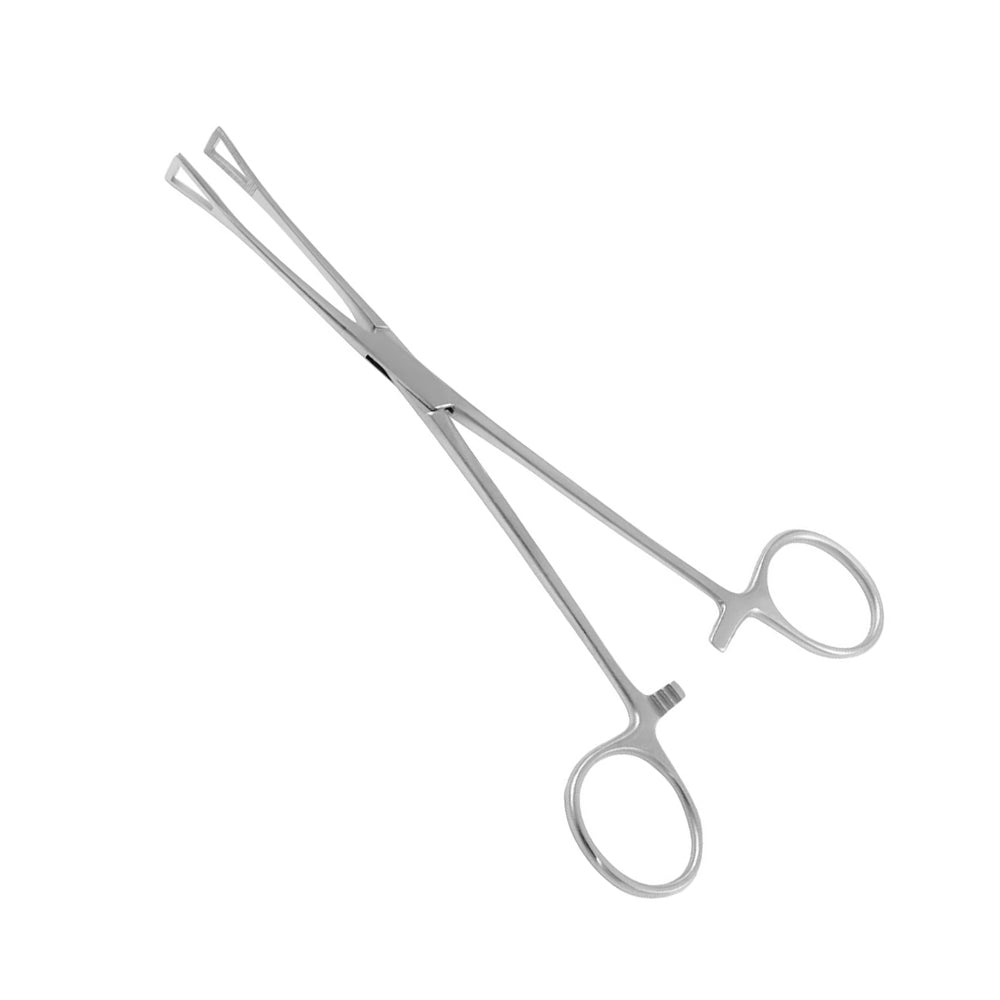
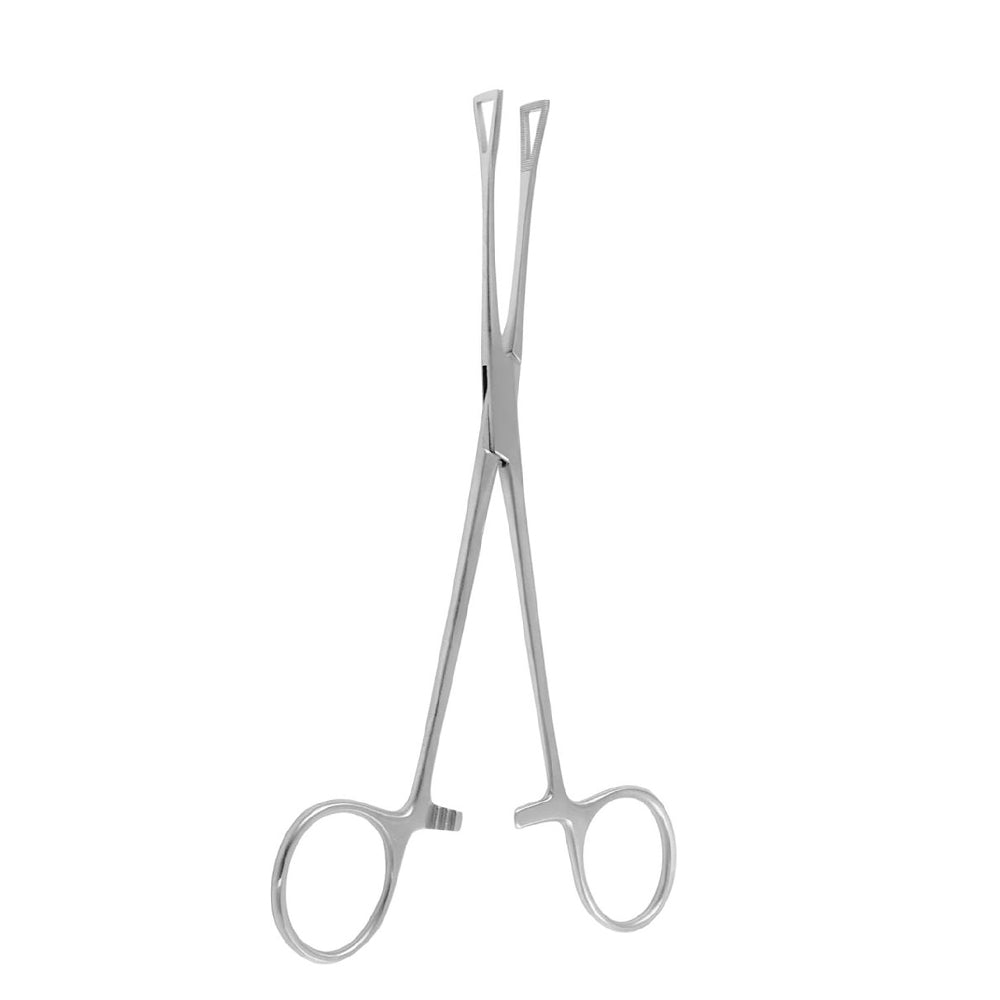
Pennington Hemorrhoidal Forceps, SKU PS-1366, are reusable rectal and proctology forceps manufactured from German stainless steel for hemorrhoid tissue grasping, mucosal tissue traction, operative exposure, tissue stabilization, and controlled handling during anorectal procedures. The available size is 6-1/4" (15.9cm), giving surgical teams a compact working length for hemorrhoidectomy trays, proctology instrument sets, minor surgery rooms, teaching laboratories, and veterinary soft-tissue procedure packs. The image shows triangular fenestrated jaws, serrated inner gripping surfaces, a box-lock joint, finger-ring handles, and a ratchet locking mechanism for maintained closure after placement.
Triangular Fenestrated Jaw Design
The working action is produced by two opposing triangular jaws joined through a box-lock joint that transfers ring-handle compression into aligned distal closure. The fenestrated jaw profile reduces solid metal contact across the grasping surface while allowing tissue to seat inside the jaw opening. Serrated inner surfaces improve purchase during tissue traction, mucosal edge control, hemorrhoidal tissue handling, and operative exposure. The compact 15.9cm working length supports controlled placement in restricted anorectal fields while preserving hand clearance for suction, retractors, scissors, ligatures, needle holders, and assistant instruments. The ratchet locks at staged closure points, allowing the instrument to maintain tissue hold without continuous hand pressure.
Hemorrhoidectomy and Proctology Workflow
During hemorrhoidectomy and related anorectal procedures, Pennington Hemorrhoidal Forceps are applied after the target tissue has been exposed and selected for controlled traction. The fenestrated serrated jaws help grasp hemorrhoidal tissue, mucosal folds, or operative tissue edges while dissection, ligature placement, excision, or closure steps proceed. The ring-handle format gives the surgeon precise opening, closure, and release control. The ratchet mechanism maintains the selected grip while adjacent instruments are used in the operative field. General surgeons, colorectal surgeons, proctology teams, emergency procedure staff, veterinary surgeons, and operating room technicians can use this forceps pattern where compact tissue grasping and secure ratchet retention are required.
6-1/4 Inch Size Selection
The 6-1/4" (15.9cm) size is selected when the clinician needs controlled tissue handling in compact anorectal, minor surgery, or soft-tissue procedure fields. This length keeps the handle close enough for precise hand control while maintaining adequate reach for hemorrhoidal tissue traction and mucosal edge handling. The triangular jaws are suited to selected tissue grasping where broad fenestrated contact is preferred over a narrow clamp profile. The compact format supports outpatient procedure rooms, hemorrhoidectomy instrument trays, general surgery sets, veterinary packs, and replacement procurement for sterile processing departments.
German Steel Reprocessing and Procurement Documentation
German stainless steel construction supports repeated clinical use by maintaining jaw alignment, serration definition, corrosion resistance, box-lock stability, and ratchet function through cleaning and steam sterilization cycles. Satin, dull, and mirror finish options support procurement preferences for glare control, visual inspection, and existing instrument tray standards. After use, the jaws should be opened and cleared of blood, tissue residue, fat, dressing fibers, lint, and procedural debris before enzymatic cleaning. Processing can include manual brushing, ultrasonic decontamination, washer-disinfector exposure, rinsing, drying, box-lock inspection, ratchet review, serration inspection, fenestration inspection, packaging, and steam autoclave sterilization according to facility protocol.
| SKU | PS-1366 |
|---|---|
| Product Name | Pennington Hemorrhoidal Forceps |
| Price | $4.40 |
| Size/Gauge Variants | 6-1/4" (15.9cm) |
| Instrument Category | Reusable hemorrhoidal and proctology tissue forceps |
| Procedure | Hemorrhoidectomy, hemorrhoid tissue grasping, mucosal tissue traction, anorectal tissue handling, soft-tissue stabilization, operative exposure, ligature support, closure-stage tissue control |
| Material | German stainless steel |
| Finish | Satin, dull, or mirror finish |
| Sterilization | Reusable instrument suitable for manual cleaning, ultrasonic decontamination, washer-disinfector processing, drying, box-lock and ratchet inspection, packaging, and steam autoclave sterilization |
| Instrument Classification | Class I reusable surgical instrument |
| Reusable | Yes |
| Certifications | CE, ISO 13485, FDA |
| Warranty | 1 year |
| MOQ | 1 piece |
| OEM / Custom Orders | Available for distributor supply, institutional branding, bulk purchasing, and customized packing programs |
| After-Sale Service | Return and replacement support for eligible orders |
How are Pennington Hemorrhoidal Forceps different from Allis Tissue Forceps?
Allis Tissue Forceps are the closest general alternative because both instruments provide ratcheted tissue grasping. Allis patterns use interlocking toothed jaws for firm soft-tissue holding across a smaller jaw area. Pennington Hemorrhoidal Forceps use triangular fenestrated serrated jaws, making them better suited for grasping hemorrhoidal tissue, mucosal folds, and selected tissue edges during anorectal procedures. Both instruments use ring handles, a box-lock joint, and ratchet-controlled closure. The clinically relevant difference is jaw shape, grasping surface, and procedural application.
Why are the jaws fenestrated?
The fenestrated jaw design allows selected tissue to seat inside the triangular opening while the serrated inner surfaces maintain controlled purchase. This profile supports tissue traction and stabilization without using a solid broad compression plate across the entire grasping area. In hemorrhoidectomy and proctology workflows, this jaw pattern helps maintain exposure while ligature placement, excision, dissection, or closure steps are performed around the selected tissue.
What does the ratchet mechanism do?
The ratchet near the handles holds the jaws at staged closure points after placement. This allows Pennington Hemorrhoidal Forceps to maintain tissue grasp while the surgeon uses scissors, ligatures, suction, retractors, or needle holders in the same operative field. Release is controlled by separating the ratchet teeth before reopening the jaws. Cleaning around the ratchet, box lock, serrations, and fenestrations is important because retained tissue residue can affect closure and release.
Are these forceps suitable for reusable sterile processing and distributor stock?
Yes, Pennington Hemorrhoidal Forceps are reusable German stainless steel instruments suitable for hospital, clinic, proctology, veterinary, distributor, surgical center, teaching lab, and operating room supply workflows. The 1-piece MOQ supports replacement ordering for minor surgery trays, hemorrhoidectomy sets, colorectal procedure packs, veterinary instruments, and institutional inventory programs. OEM availability supports distributor branding, institutional packing, and bulk purchasing programs. The 1-year warranty and return and replacement service support procurement teams managing recurring instrument replacement.